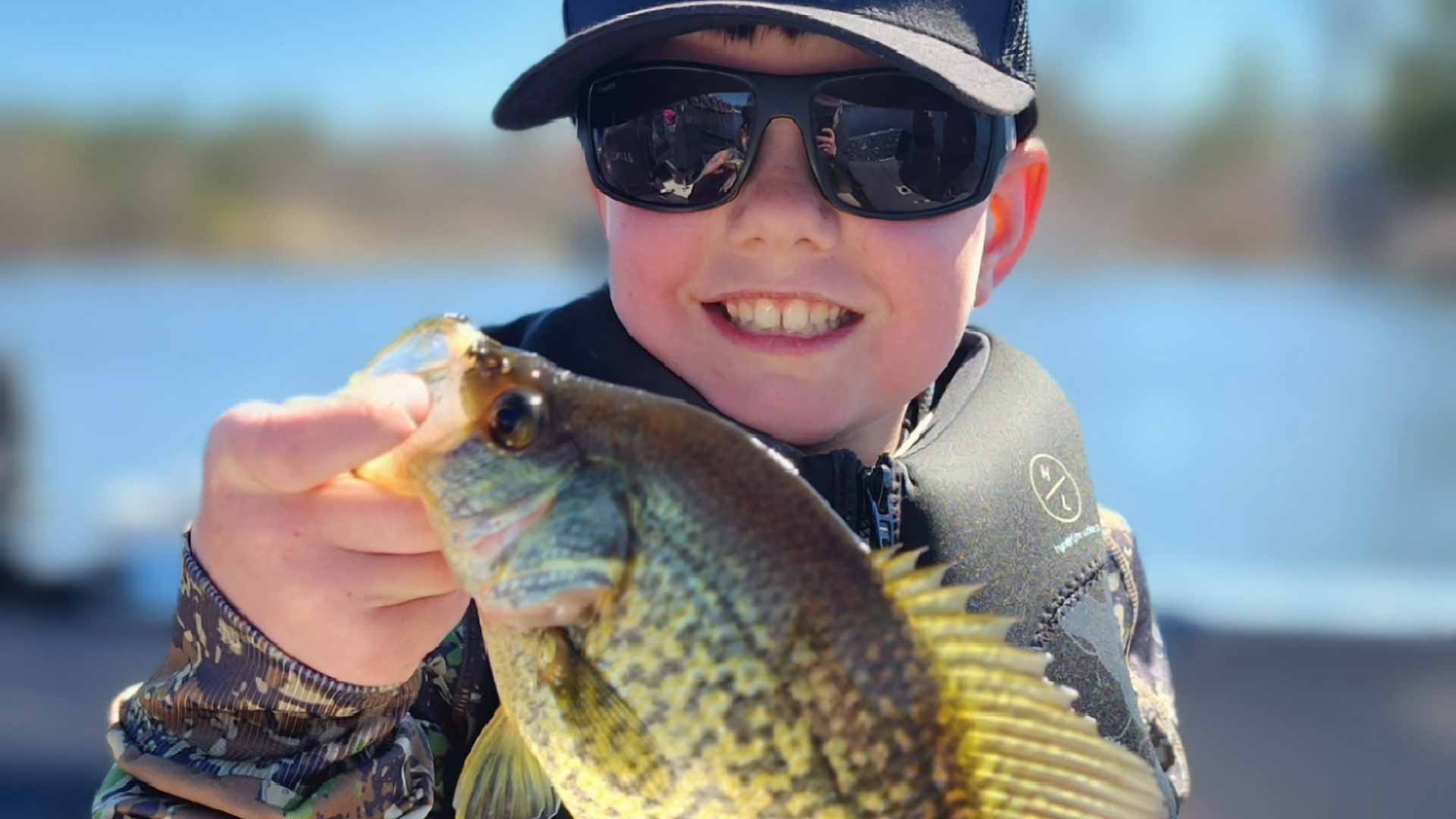

Minnesota fishing guide Dustin Monson of Hawg Hunterz Guide Service gives his latest Brainerd Lakes Area fishing report on April 18th, 2024.
Brainerd Lakes Area Fishing Report: 4-18-24
Trees are budding, birds are singing, and fish are biting in the Brainerd Lakes Area of Minnesota!
Water temperatures are beginning to rise and the spring bite is only going to get better as water temperatures rise above fifty-five degrees.
Panfish: Brainerd Lakes Area Fishing Report
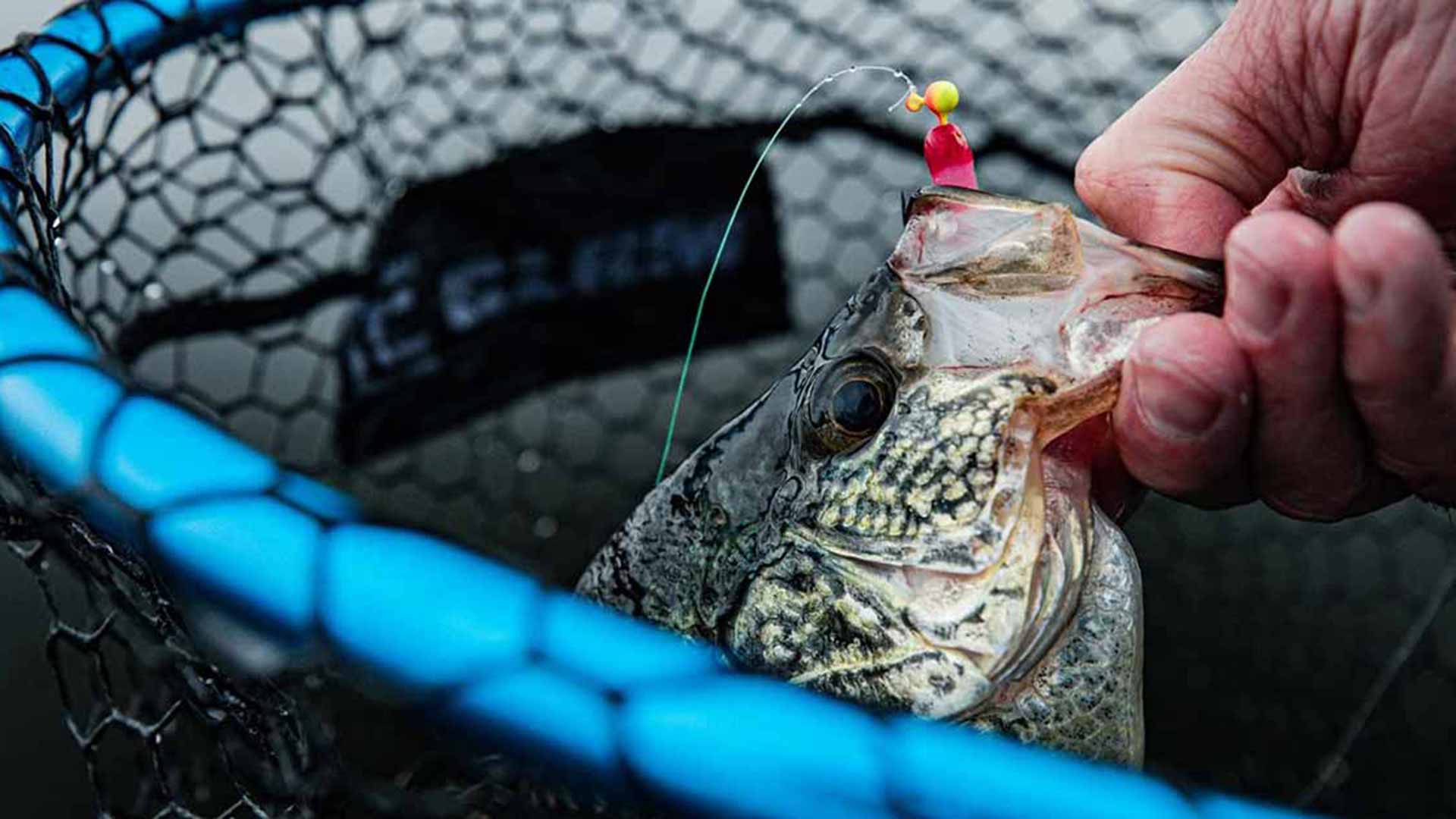
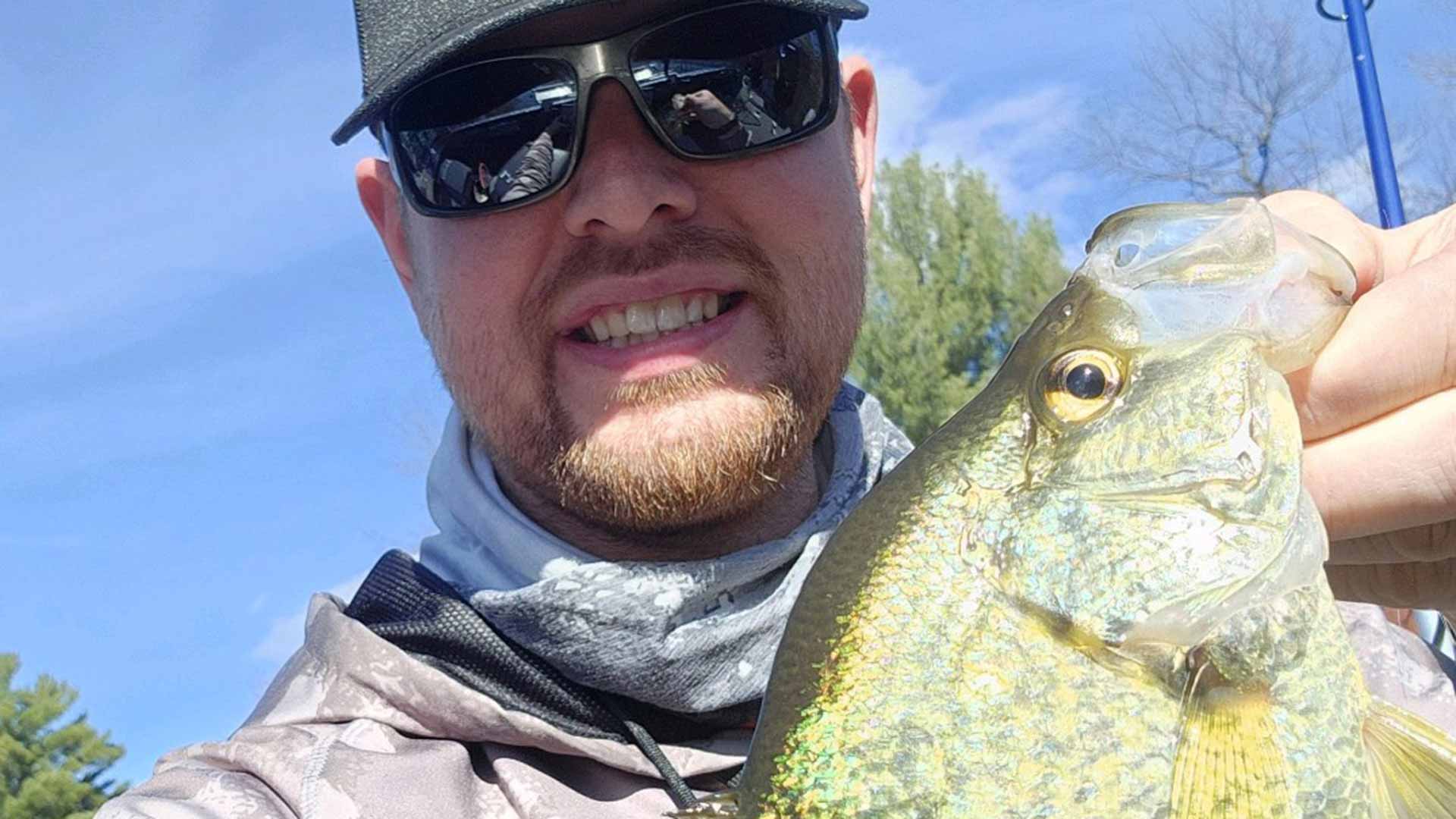
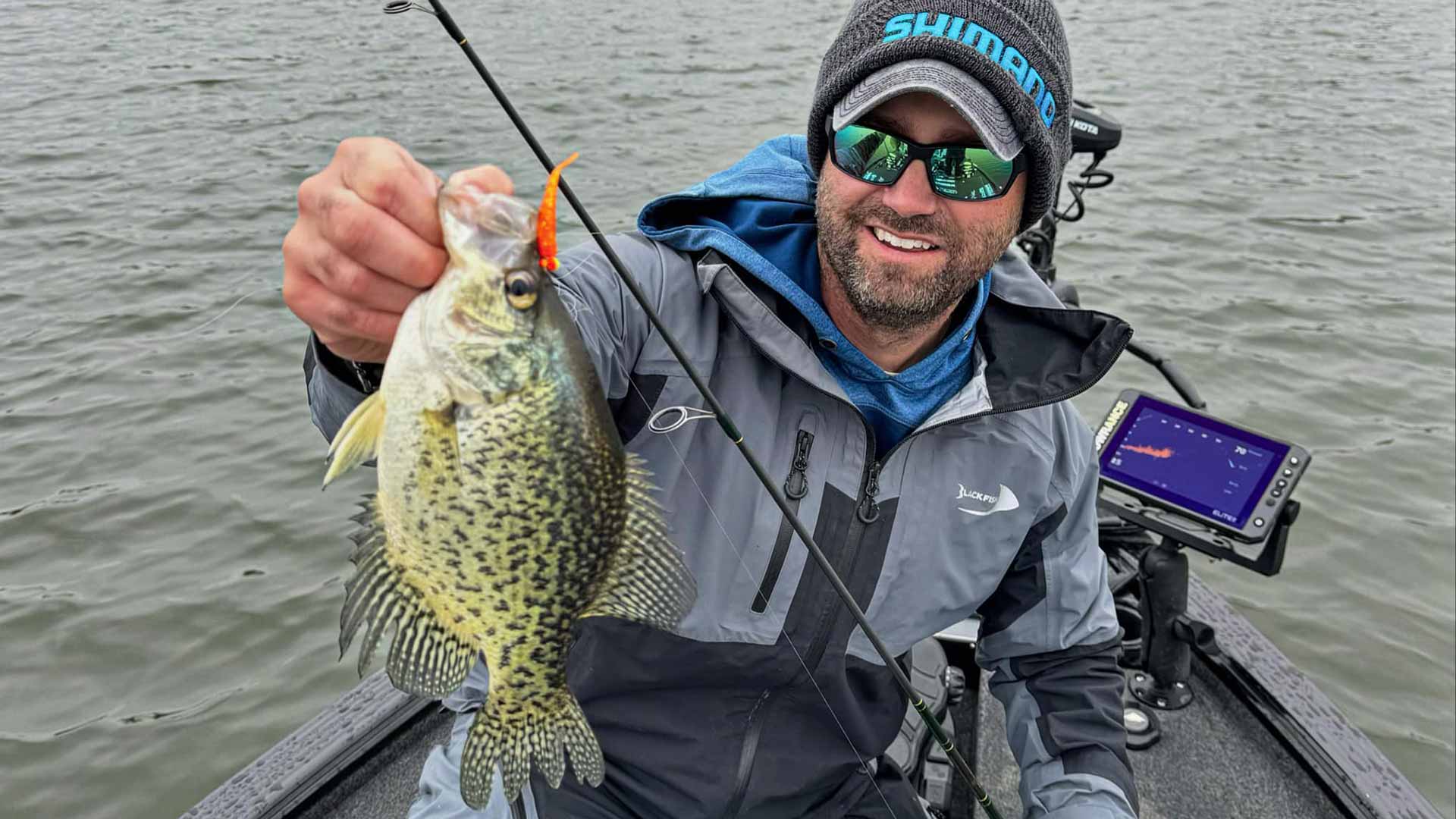
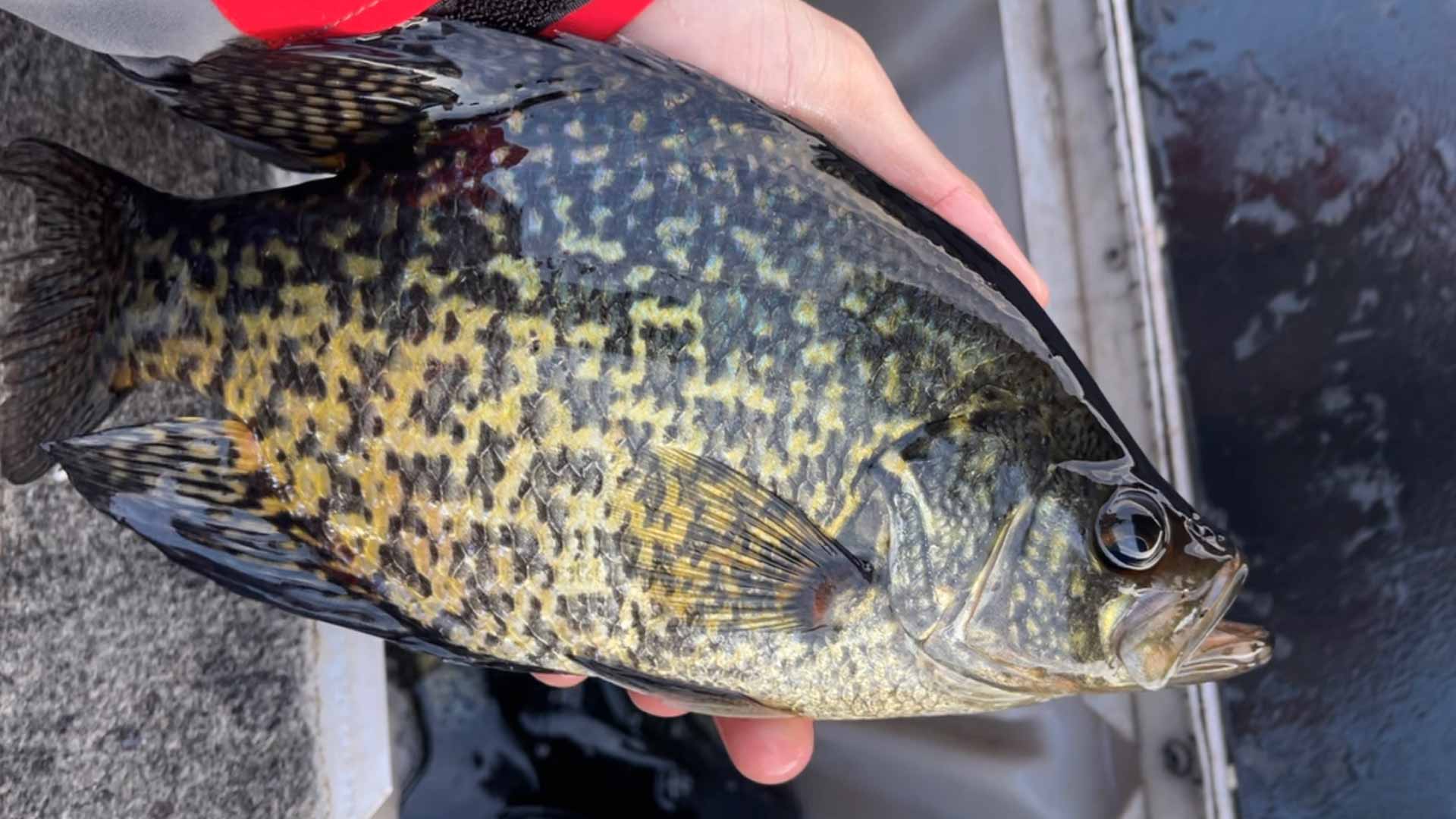
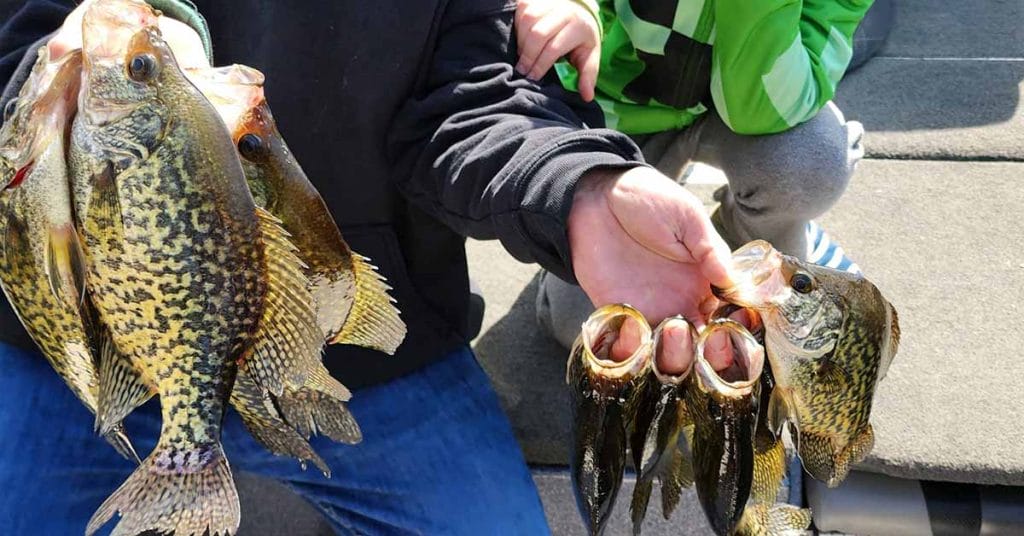
Panfish continue roaming shallow weed flats, channels, bays and areas near pencil reeds in four to fourteen feet of water near the surface. We found crappies on the edges of weeds, bays, channels and near the warmest water in the bodies of water we fished.
Anglers can catch crappies on jigs under a float paired with plastics, minnows, or hair. Move the bobber slightly to elicit bites!
We opt for using Lindy Fatboy Tungsten Jigs and Mister Twister Sassy Stingum plastics or Lindy Hair Jigs to catch our fish on most outings.
Trout: Brainerd Lakes Area Fishing Report
Stream trout fishing opened on April 13, 2024, which offers additional fishing opportunities in the area.
Target trout with spinners and small crankbaits. A nightcrawler under a float with also work great for trout.
Catfish: Brainerd Lakes Area Fishing Report
You can fish for channel catfish in the Brainerd Lakes Area from shore, boat, or fishing piers.
Some common locations for targeting channel catfish in the Brainerd Lakes Area on the Mississippi River include: below the “Brainerd Dam/Potlatch,” Kiwanis Park, French Rapids, Green Point or Sylvan Dam (Crow Wing River).
When shore fishing, I will often use a medium-heavy spinning rod with a medium to large sized spinning reel spooled with thirty to fifty pound braided line.
There are several rigs and ways to catch catfish.
The best one has been with a 1-ounce weight about 1 to 2-feet above the hook. Pair that with either worms/nightcrawlers, cutbait, deadbait, sucker minnows or chicken liver on about a 1/0 octopus hook.
In a boat, you can often jig for them vertically in holes and behind slack-water breaks in current. I’ll usually let the current determine my jig weight but 1/2-ounce is a good starting point.
Practice safe handling as they have sharp spines on their pectoral fins and dorsal fin.