
The best multi-species anglers are not always the ones with the most tackle. More often, they are the ones who know exactly what they have, why they have it, and when to use it.
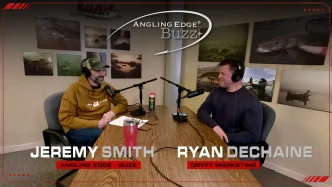
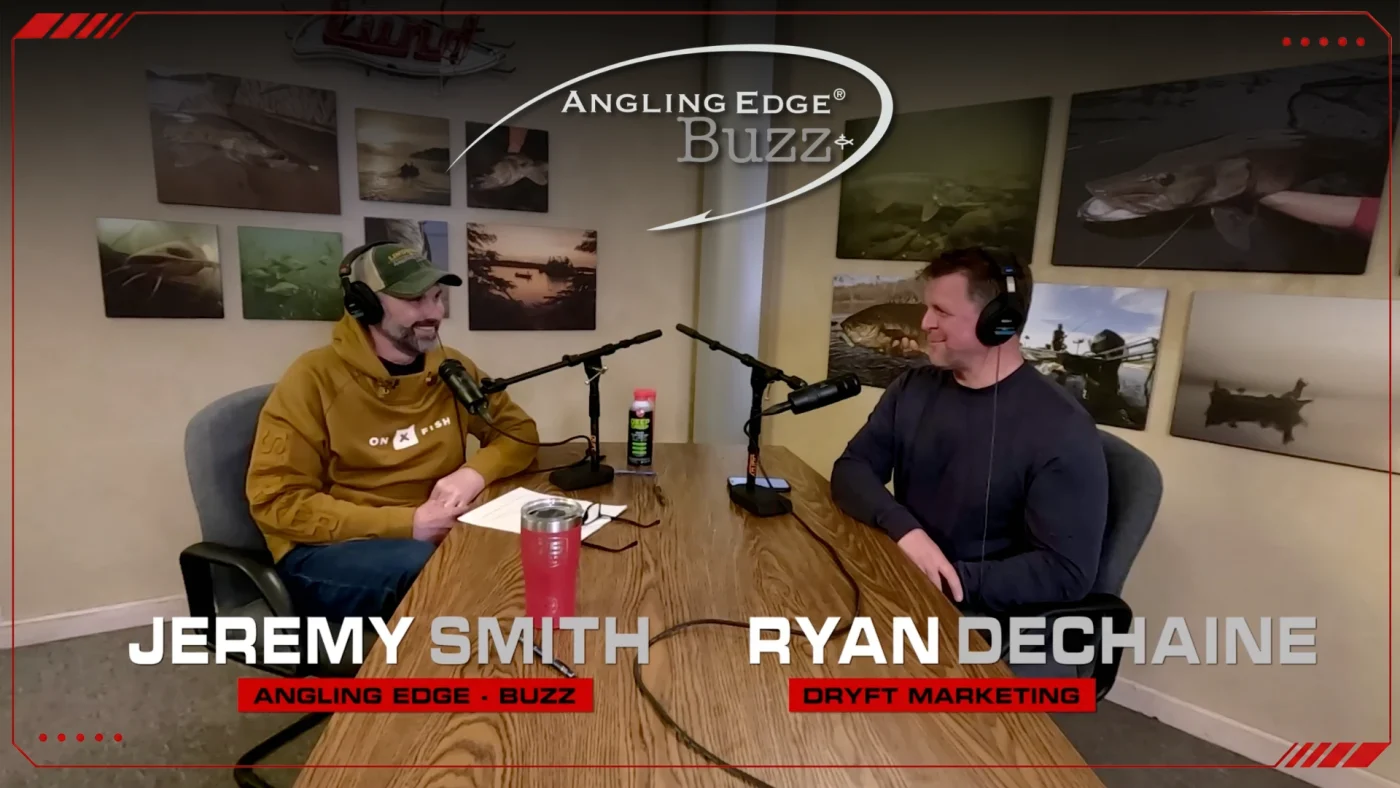
That theme came through clearly in the conversation with Ryan Dechaine. Whether he was talking about drop shots, jerkbaits, soft plastic minnows, tackle storage, boat electronics, or lithium power, the common thread was preparation. Ryan’s approach is not about overcomplicating fishing. It is about being ready for what the lake gives you.
On many northern lakes, a single day on the water can turn into a little bit of everything. You might start by chasing smallmouth, run into a school of crappies, see walleyes on electronics, or stumble across active pike on a weedline. Having a boat that is properly rigged, organized, and powered makes it easier to take advantage of those opportunities rather than wasting time digging for gear or retying from scratch.
Being Dialed Before You Launch
One of the biggest takeaways from Ryan’s system is that being organized starts before the boat ever hits the water. Clean decks, protected tackle, sharp hooks, good line, and categorized storage all help anglers fish more efficiently.
For Ryan, that means building a system where each major presentation has its place. Jerkbaits, terminal tackle, jigheads, hair jigs, plastics, and overflow baits all need to be easy to find and protected from damage. That may sound basic, but anyone who has opened a box of rusted hooks or chipped jigheads knows how quickly neglected gear becomes wasted money.
This is where good tackle trays matter. A tray like the Rapala RapStack 3700 Tackle Tray is a practical option for organizing hard baits, terminal tackle, and frequently used lures. For bulkier items or deeper storage needs, the Rapala RapStack 3700 Deep Tackle Tray gives anglers more room while still keeping gear contained and accessible.
The key is not to bring everything you own. It is to build “working boxes” that match the season, lake, and species you are likely to encounter. That makes it easier to adapt without turning your boat into a floating tackle shop.
Why Drop Shots Belong in Every Multi-Species Boat
If there was one rig that stood out as a true multi-species workhorse, it was the drop shot. Ryan described it as a core presentation because it offers immediate depth control, direct bite detection, and an easy way to present both artificial and live bait.
For bass anglers, the drop shot is nothing new. But in the Midwest and across northern natural lakes, it can be just as effective for panfish, walleyes, and mixed-bag fishing. A small plastic, a piece of crawler, a minnow, or a leech can all be fished cleanly above the bottom. That makes it especially useful around sparse weeds, rock transitions, or fish you are targeting with forward-facing sonar.
The beauty of the drop shot is that it keeps the bait in the strike zone. Unlike a slip bobber, which can be slower to cast, manage, and adjust, a drop shot gets down quickly and lets the angler stay in direct contact. It is also beginner-friendly. When a fish bites, the line loads up, and the angler can often simply reel in the fish.
For anglers who want a simple drop-shot option without dealing with line twist or more advanced rigging, VMC Spinshot Drop Shot Hooks are a natural fit. They make it easier to rig a clean drop shot and are especially useful for anglers who want a straightforward setup that works across multiple species.
Jerkbaits Are Still a Top-Tier Multi-Species Presentation
Jerkbaits never really go out of style. They catch bass, walleyes, pike, and crappies, and they are especially valuable when fish are suspended or willing to chase.
Ryan talked about jerkbaits as one of those presentations he almost always wants available. The important part is not carrying every jerkbait ever made. It’s about having a manageable selection of shallow and deeper-running options that cover the water column you expect to fish.
A bait like the Rapala X-Rap is a classic example of a multi-species jerkbait that can be fished around points, weed edges, rock, and open-water fish that are willing to react. For anglers who want a modern jerkbait option with a larger profile, the Rapala PXR Mavrik 110 Jerkbait is another strong fit.
One of the best points from the conversation was the idea of simplifying jerkbait storage. Instead of carrying a dozen boxes organized by every model and color, most anglers can get by with a shallow-running box and a deeper-running box. That still gives you variety without overwhelming your storage system.
Modern Minnow Baits and the Forward-Facing Sonar Era
Forward-facing sonar has changed how anglers think about small details. When you can watch fish respond to a bait in real time, subtle differences in action, posture, fall rate, and material become much more obvious.
Ryan discussed how modern minnow-style plastics are not just “a jig and a minnow.” Tail movement, body roll, buoyancy, and horizontal posture all play a role. Some baits shine because they can be worked subtly. Others stand out because they hold a more natural baitfish position in the water.
That is where a bait like the Rapala CrushCity Mooch Minnow fits well. It is the type of soft plastic minnow that makes sense for forward-facing sonar presentations, jig-and-minnow setups, and situations where anglers want a bait that can be fished with controlled, subtle movement.
This style of fishing can get very technical, but the basic idea is simple: put a natural-looking bait in front of a fish and make it do just enough to trigger a bite. Sometimes the smallest movement is what gets the fish to commit.
Ned Rigs and Swimbaits for Mixed-Bag Fishing
Along with drop shots and jerkbaits, Ryan also pointed to Ned rigs and paddle tail swimbaits as core multi-species presentations. Both are simple, versatile, and easy to scale up or down depending on the target.
A Ned rig is one of the best options for anglers who simply want to get bit. Smallmouth, largemouth, crappies, bluegills, and walleyes will all eat a compact bait on a light jighead. The Rapala CrushCity Ned BLT paired with VMC Ned Rig Jig Heads gives anglers a straightforward setup for working bottom, rock, sparse grass, docks, or shallow flats.
Paddle tail swimbaits fill a slightly different role. They are great for covering water and can be matched to the forage and fish size in front of you. A smaller swimbait can catch panfish and walleyes, while a larger version can target bass, pike, and bigger predators. The Rapala CrushCity The Mayor Swimbait is a good example of a bait that can be classified in the multi-species swimbait category.
One of the best ways to make these presentations more flexible is to run braided mainline and adjust the leader size based on the bait, cover, and species. That lets an angler move from finesse to heavier presentations without completely rebuilding the reel setup.
Planning Boat Electronics With the Future in Mind
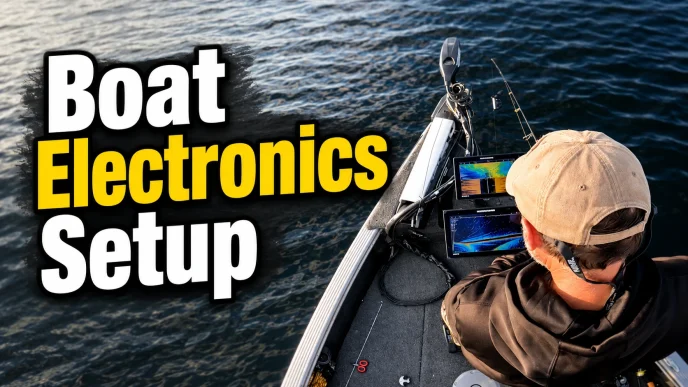
Boat electronics are one of the biggest investments modern anglers make, and Ryan’s advice was practical: think through the full system before you buy.
A basic setup with a screen at the console and a screen at the bow can cover a lot of anglers. But the details matter. Can the units be networked? Will they work with your trolling motor? Can you add forward-facing sonar later? Do you need a network box? Are you planning for waypoint sharing, mapping, side imaging, or spot-lock control?
A trolling motor like the Minn Kota Ultrex fits naturally into this discussion because it can be integrated into a larger boat-control system. When paired with compatible electronics, features like Spot-Lock and navigation control can make fishing more efficient, especially when holding on structure, fishing offshore targets, or working precise areas.
The biggest mistake is buying electronics one piece at a time without thinking about where the system may go in one, three, or five years. If you think you might eventually add more screens, forward-facing sonar, or expanded networking, it is worth planning that infrastructure upfront.
Power Supply, Lithium Batteries, and Shallow Water Anchors
Modern electronics draw more power than older boat setups were designed to handle. Multiple large screens, forward-facing sonar, shallow water anchors, phone chargers, cameras, and other accessories can put a serious demand on a boat’s electrical system.
That is why Ryan emphasized doing the math on amp-hour needs and making sure the power supply matches the setup. A weak or undersized power system can lead to dim screens, poor performance, or electronics dying before the day is over.
Lithium batteries have become popular because they are lighter and provide more consistent voltage throughout the discharge cycle. For anglers running multiple electronics, forward-facing sonar, or a dedicated house battery setup, Amped Outdoors Lithium Batteries are a strong category to consider.
Boat accessories like the Minn Kota Talon Shallow Water Anchor also add convenience and fishability, but they should be included in the overall power plan. The same goes for every accessory on the boat. If it draws power, it needs to be accounted for.
Clean wiring matters too. Dedicated electronics power, properly sized wire, correct fuses, and direct runs from the battery can all help improve performance and reliability. This is an area where getting advice from an experienced boat rigger can save a lot of frustration.
Build a System That Matches How You Fish
The biggest lesson from Ryan Dechaine’s approach is not that every angler needs more gear. It is that every angler benefits from a better system.
For some, that might mean a couple of jerkbaits, a drop shot box, a Ned rig setup, and a swimbait rod. For others, it might mean a fully rigged boat with multiple screens, lithium batteries, shallow-water anchors, and carefully curated tackle storage.
The goal is the same either way: spend less time searching, fixing, and guessing, and more time fishing.
A dialed multi-species setup gives you options without creating chaos. It helps you move from bass to panfish to walleyes to pike with confidence. It keeps your tackle protected, your presentations ready, and your boat electronics running the way they should.
In the end, being prepared is not about making fishing complicated. It is about making your time on the water smoother, more efficient, and more productive.