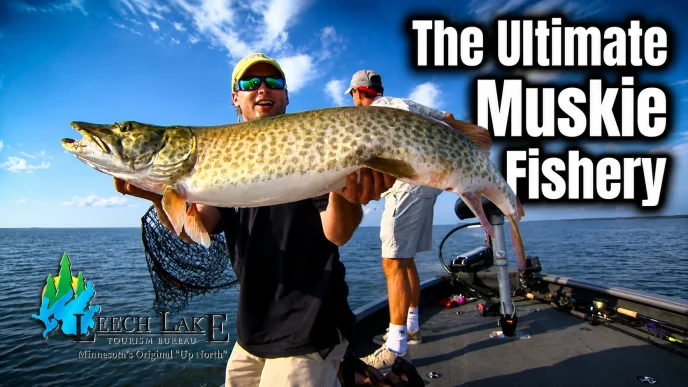


Leech Lake is one of those Minnesota fisheries that has a little bit of everything. For Frank Weeda, it stands out as one of his favorite lakes in the country.
What makes Leech Lake so special is its diversity. It is not just a walleye lake, although the walleye fishing is a major part of its reputation. Leech also offers opportunities for trophy muskies, big bluegills, crappies, bass, and a variety of other fishing experiences. Few lakes give anglers that many options in one place.
At the same time, Leech Lake can be frustrating. That is part of what makes it so appealing to serious anglers. The lake changes, the fish move, and the patterns that worked year after year do not always hold up forever. To stay on fish, especially walleyes, anglers need to pay attention and adjust.
Leech Lake Walleye Patterns Are Always Changing
One of the biggest topics in the conversation is how some of the traditional spring walleye patterns on Leech Lake have shifted. Areas that were once reliable for years, like the classic Portage Bay bite, may not always produce the same way they used to.
That does not mean the fish are gone. It means anglers need to think differently. Instead of relying only on old standby spots, Frank looks at the lake through migration routes, spawning areas, and nearby structure.
For example, areas connected to Sucker Bay, the Sucker River, Federal Dam, and Portage can all play a role in how walleyes move during the spring. But in recent years, those fish may be leaving certain areas faster than they used to. That makes it important to look beyond the obvious places.
Finding Walleyes Beyond the Usual Spots
When the traditional spring spots slow down, Main Lake structure can become more important. Frank mentions the north side of Main Lake, areas south of Sucker Bay, Goose Island, Trader’s Bay, Agency Bay, and nearby sand breaks as places that can help explain how fish are moving.
These are not magic spots or guaranteed bites. They are clues. On a big, dynamic lake like Leech, the key is understanding where fish have been, where they are going, and what areas might hold them along the way.
The Classic Jig and Shiner Bite
Even with all the changes, some Leech Lake traditions remain. Pine Point is still one of the most well-known spring walleye areas on the lake. For many anglers, the classic jig and shiner bite is still part of the Leech Lake experience.
A simple jig tipped with a shiner, fished with the wind across productive shallow structure, remains one of the most approachable ways to catch walleyes on Leech. It is a great setup for anglers who want a straightforward, proven presentation.
Why Leech Lake Stands Out
Leech Lake is special because it is both productive and challenging. It can reward anglers with great fishing, but it also forces them to think, adjust, and pay attention to changing conditions.
For Frank Weeda, that combination is what makes Leech Lake one of his favorite fisheries. It has history, variety, big fish potential, and enough complexity to keep anglers coming back year after year.
Watch the full conversation to hear more about why Leech Lake continues to be one of Minnesota’s most interesting and rewarding fisheries.