Walleye fishing is often won or lost in the details. The right bait matters, but so does the jig weight, line choice, rod action, retrieve speed, boat control, and how quickly you decide to move on from fish that will not bite. In this conversation, Frank Weeda breaks down how small adjustments can make a major difference when targeting walleyes across lakes and rivers.
Whether you are fishing Leech Lake, Mille Lacs, the Missouri River, or smaller northern Minnesota lakes, the theme is the same: better walleye fishing comes from being more efficient and more dialed in. From leadcore trolling and jig-and-crawler fishing to plastics, power corking, and forward-facing sonar, every detail has a purpose.
Why Details Matter in Walleye Fishing
Walleyes can be aggressive one day and painfully neutral the next. Sometimes they will chase a bait several feet and crush it. Other times, they follow, inspect, and fade away. That is where the little details start to matter.
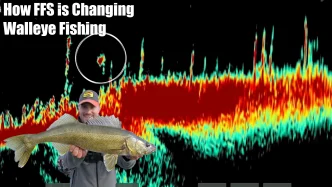
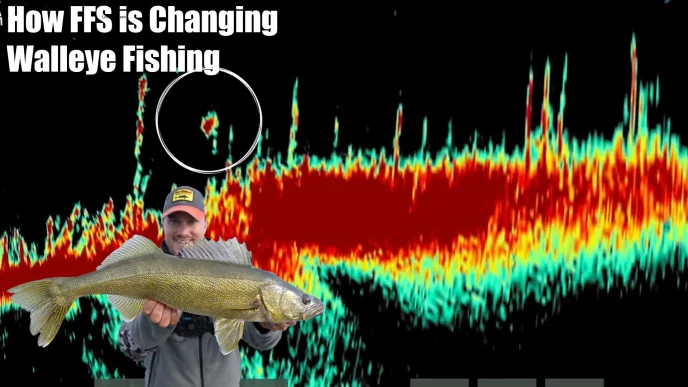
Frank’s approach is built around efficiency. If a fish will not bite after a few good presentations, he is not afraid to move on and find a more active one. That mindset is especially important with forward-facing sonar. It is easy to spend too much time watching fish that will not commit, but the best anglers use sonar to learn faster and make better decisions.
Instead of getting stuck on one fish or one spot, the goal is to keep adjusting. Change jig weight. Change speed. Change line type. Change bait profile. If none of that works, move. The more efficient you become, the more high-percentage opportunities you create.
Matching Plastics to the Walleye Bite
On lakes like Leech, spottail shiners are a major part of the walleye program, especially early in the season. Live bait is hard to beat, but plastics can be a great option when you understand how to fish them.
Frank talks about using shiner-style plastics, especially the Rapala CrushCity Mooch Minnow, as an alternative to live bait. The Mooch Minnow has a natural baitfish profile and is durable enough to withstand multiple bites, a big advantage when pike, perch, and walleyes are all in the mix. The Rapala CrushCity The Jerk Soft Bait is another good option when you want a minnow-style profile with a more darting or erratic action.
The key detail is buoyancy. A soft plastic does not fish exactly like a live shiner. Many plastics ride higher in the water, so you may need to increase jig weight to keep the bait in the right zone. If you normally fish an 1/8-ounce jig with a shiner, a 3/16- or 1/4-ounce jig may be better with a buoyant plastic.
Frank also mentions that before the Mooch Minnow came along, thin paddle tails like the Keitech Easy Shiner were part of the program. Baits with subtle, easy-starting tail action can be excellent when walleyes are feeding on shiners or other small baitfish.
Choosing the Right Jig Head
The jig head is one of the most overlooked parts of a walleye presentation. Weight, hook length, head shape, and material all change how the bait moves.
For minnow-style plastics, the VMC Neon Moon Eye Jigs are a strong option because they pair well with plastics and live bait. If you want a denser profile that gets down quickly, the VMC Tungsten Moon Eye Jigs are a good fit.
Frank also talks through how premium swimbait-style heads have become part of modern walleye fishing. Options like the VMC RedLine Tungsten Swimbait Head, VMC Hybrid Swimbait Jig Head, and VMC Minnow Shaker Jig Head all have a place depending on the plastic, depth, and desired action.
One important takeaway: color is not always as important as anglers think. Frank points out that simple lead, silver, gray, and natural colors can be highly effective. In clear water or pressured systems, a natural shiner-style look often beats loud colors.
Leadcore Trolling for Scattered Walleyes
Leadcore trolling is only one part of the conversation, but it is a major example of how technical walleye fishing can be. Frank explains that leadcore shines when fish are spread out, belly-to-bottom, or difficult to see with electronics. Instead of sitting in one small area, leadcore lets you cover water efficiently while keeping crankbaits in the strike zone.
A key part of the setup is the line. Frank specifically talks about using Sufix 832 Advanced Lead Core Line, which has a thinner diameter than traditional leadcore. That smaller diameter means less resistance in the water and less line needed to reach the desired depth.
A line-counter reel is another important component of the system. The Daiwa Accudepth Plus Line Counter Reel is a good option because it allows anglers to repeat productive passes. When you know exactly how much line is out, you can duplicate the same depth and presentation after a bite.
For baits, shad-style crankbaits are a major part of the leadcore program. The Rapala Shad Rap is a classic choice because its diving angle helps keep the leader cleaner and the bait working near bottom. Stickbaits like the Rapala Original Floater can catch fish, but Frank explains that they are not always ideal for bottom-contact leadcore because of how the leader and bait angle through the water.
The goal is not to constantly grind bottom. Instead, you want the crankbait to occasionally tick bottom. Those subtle contacts tell you the bait is close, while still reducing snags and keeping the lure clean.
Jig and Crawler Fishing with Forward-Facing Sonar
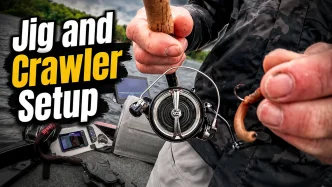
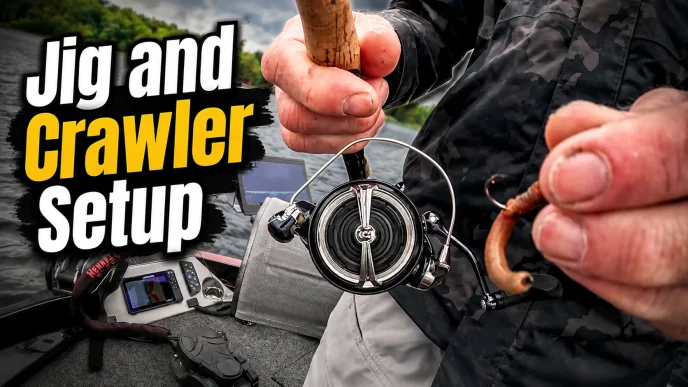
Jig-and-crawler fishing has become one of the biggest walleye presentations in the forward-facing sonar era. Frank’s explanation is simple: a crawler looks like a bug, and walleyes eat bugs. When you pull a jig and crawler over a fish’s head, it can imitate something naturally rising through the water column.
The core setup is simple: an 1/8-, 3/16-, or 1/4-ounce jig paired with a crawler. The exact weight depends on depth, speed, wind, and fish mood. A lighter jig creates more hang time and a slower fall, while a heavier jig lets you fish faster and trigger reaction bites.
Line choice is critical. Frank likes having an eight-pound mono setup ready because monofilament has stretch and buoyancy. That can help walleyes hold onto the bait without immediately feeling the angler. Sufix Advance Monofilament Line fits this style of fishing well because mono can create a slower, more natural presentation.
Reel choice matters too. A larger spinning reel helps with casting distance, line pickup, and efficiency. The Daiwa Tatula MQ LT Spinning Reel is a strong, premium option for this style of fishing, while the Daiwa Prorex X LT Spinning Reel is a good option for anglers seeking a quality spinning reel at a more approachable price.
With forward-facing sonar, the presentation often starts by casting past the fish and bringing the bait over its head. Frank wants the bait close enough to get the fish engaged, then he starts taking it away. That detail matters because walleyes often feed upward, and a bait moving away from them can trigger the chase.
Power Corking and Bobber Details
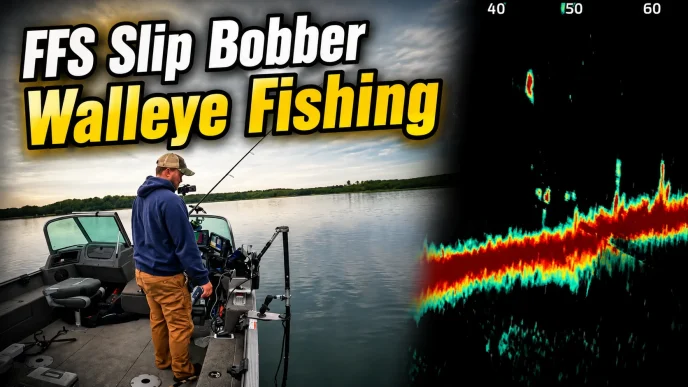
The power corking section is another reminder that small details matter. Frank even paints the bottom of his bobbers black or blue to make them less noticeable from below. On pressured lakes, walleyes see a lot of bobbers, and reducing that visual cue can help.
His bobber rig includes mono main line, a slip bobber, a tungsten weight, a bead, a swivel, and a light leader down to a small tungsten jig. One of the best tips from the conversation is using glass beads instead of cheap plastic beads. Glass beads are less likely to groove or burn from the line, which helps the rig function properly.
Frank also points out that bigger is not always better when it comes to leeches. While giant leeches have their place, a medium-sized leech can be more consistent day in and day out. When the bite gets tough, he may even drop down to very light fluorocarbon tippet to get more bites.
Better Walleye Fishing Starts with Better Adjustments
The biggest lesson from Frank Weeda’s approach is that there is no single magic bait or one perfect system. Better walleye fishing comes from stacking small details together until the whole presentation works.
Use plastics when they make sense. Match jig weight to the bait and depth. Use leadcore when fish are scattered. Fish a jig and crawler above the fish when they are willing to chase. Pay attention to line choice, rod action, reel speed, bobber color, hook timing, and boat control.
The anglers who consistently catch walleyes are not always doing something wildly different. They are usually doing the little things better.
Better walleye fishing does not come from one big adjustment. It comes from dialing in dozens of small details until the entire system works.