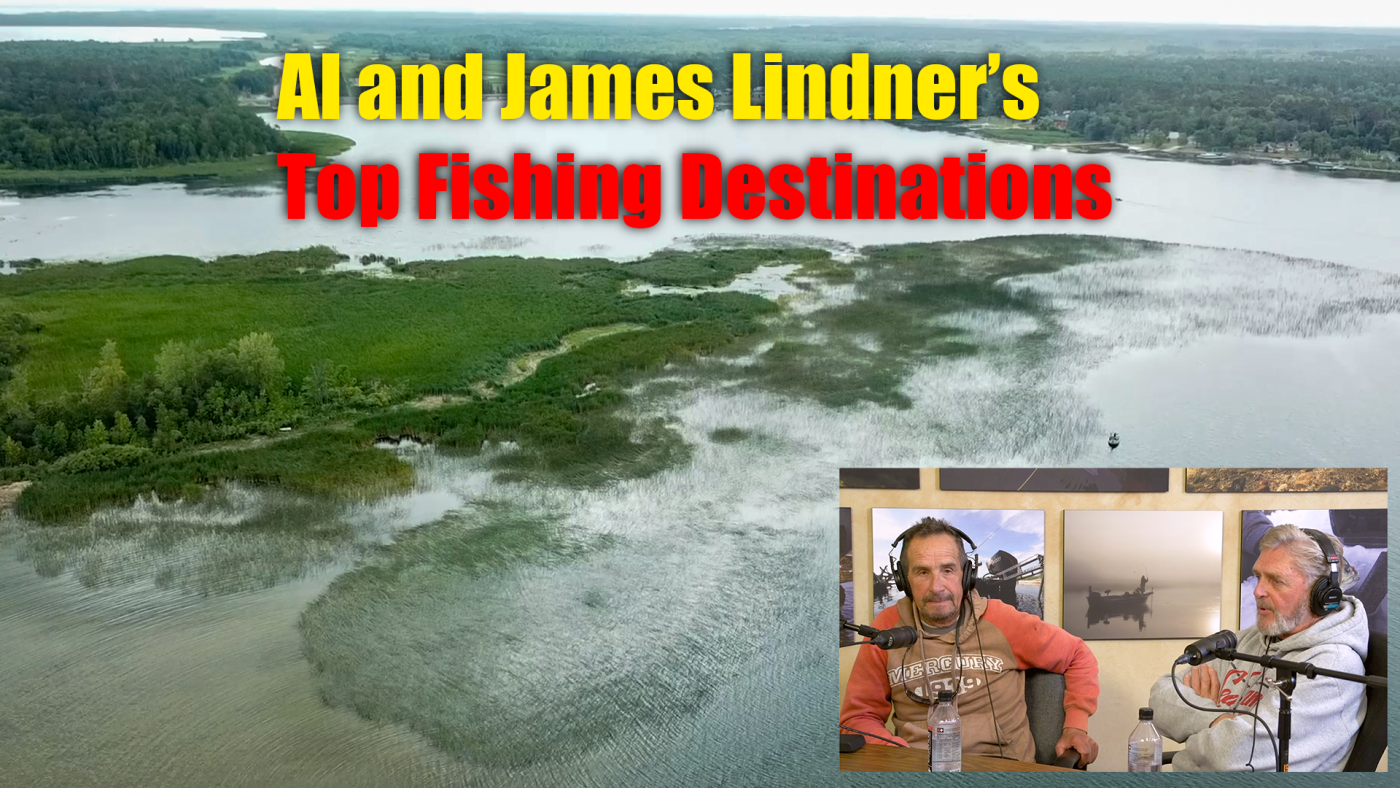

After decades of traveling, guiding, filming, and fishing across North America, Al and James Lindner have developed a clear understanding of what separates an average lake from a truly great fishing destination.
For the Lindners, the best fishing destinations are not defined by one famous species or one productive spot. They offer diverse habitat, healthy fish populations, multiple seasonal patterns, and enough water to keep anglers exploring. During this conversation, Al and James share some of their favorite places to fish, explain how they approach unfamiliar water, and reveal the dependable lures and tools they bring along.
What Makes a Great Fishing Destination?
A productive fishing destination begins with habitat. Lakes containing expansive shallow flats, weeds, rocks, points, islands, saddles, and deep-water structure can support more forage and more fish.
Al emphasizes the importance of shallow-water food shelves. A lake that quickly drops from shore into extremely deep water may hold a few large fish, but it often lacks the carrying capacity needed to support strong numbers of multiple species.
James also prefers lakes that provide several fishing options at the same time. On a diverse body of water, anglers may find fish around shallow weeds, deep rocks, suspended baitfish, offshore humps, and shoreline cover during the same trip. That variety allows anglers to adjust when the weather, wind, forage, or fish activity changes.
The Brainerd Lakes Area
The Brainerd Lakes Area became the center of the Lindner family’s fishing career for a reason. Al explains that he and his brother Ron were originally searching for a place where they could open a bait shop, operate a guide service, and build a life around fishing.
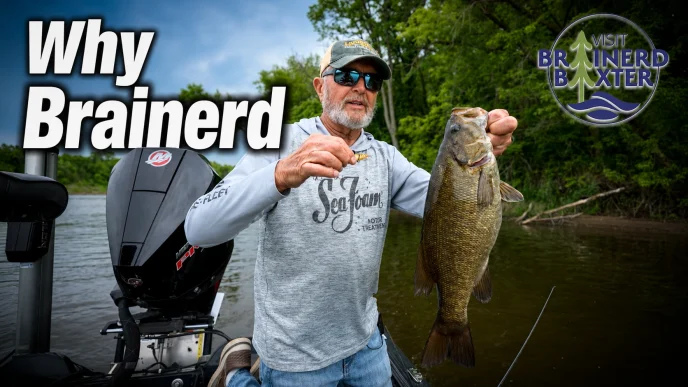
Brainerd stood out because of the number and variety of lakes surrounding the area. Anglers can target walleyes, smallmouth bass, largemouth bass, muskies, northern pike, crappies, bluegills, and catfish without traveling far.
Gull Lake remains one of Al’s favorite local fisheries. Despite heavy recreational use and frequent fishing pressure, he believes its bass and walleyes are larger and more abundant than they were when he first began guiding in the area.
The concentration of lakes also gives visiting anglers the freedom to lake-hop. When conditions are poor on one body of water, another productive option is often only a short drive away.
Why Lake Vermilion Is a Favorite
Lake Vermilion is another destination that consistently rises to the top for Al and James. The lake offers Canadian Shield scenery, hundreds of islands, irregular shorelines, expansive bays, rock structures, weeds, and multiple basins.
It also supports excellent fishing for walleyes, smallmouth bass, muskies, crappies, and bluegills. Depending on the season, anglers might cast topwaters for smallmouth, work rock piles for walleyes, or pursue muskies during the fall.
What makes Vermilion especially appealing is the number of patterns available. Fish can be shallow, deep, suspended, related to weeds, or positioned around rocks at the same time. An angler might catch walleyes by casting jigs into shallow cover while another boat catches fish using leadcore over a deep basin.
The amount of habitat prevents Vermilion from becoming predictable or boring. It rewards anglers who explore and remain willing to change locations and presentations.
How to Break Down an Unfamiliar Lake
When approaching a new body of water, the Lindners begin with the largest, most productive structures.
On a smaller lake, that may mean identifying the largest weed flat, main point, or inside turn. On a massive lake, Al looks for areas where several structures are grouped together. Islands, saddles, humps, points, rocks, and weeds located within the same section of the lake tend to hold more forage and fish than an isolated hump surrounded by deep, unproductive water.
James uses mapping and depth highlighting to identify the depth range where weeds are growing. The Humminbird XPLORE is a tool for highlighting productive depth zones and quickly revealing the shape of large weed flats.
Wind history is another important factor. The wind blowing when an angler reaches the launch may be less important than the sustained wind from the previous several days. Wind can concentrate plankton, baitfish, and predators in one portion of a lake.
The onX Fish app is specifically recommended for examining recent wind history before leaving for the lake.
Boat positioning and efficient movement also become more important on large water. A Minn Kota QUEST trolling motor supports precise boat control while anglers work weed edges, offshore structure, and open-water fish.
Favorite Lures for Exploring New Water
The Lindners also identify several dependable lures that can catch multiple species across different destinations.
The Rapala X-Rap receives one of the strongest recommendations in the conversation. Al describes it as an all-time favorite and recalls a trip where he caught 125 smallmouth bass while the X-Rap significantly outperformed other presentations.
The Rapala PXR Mavrik 110 is another jerkbait option for covering water and targeting fish feeding higher in the water column. Jerkbaits can produce walleyes, bass, crappies, and other predators throughout much more of the season than many anglers realize.
For trolling, river fishing, or twitching around current, the Rapala Original Floating remains a timeless choice. James also keeps a large collection of Rapala Shad Raps because they consistently catch walleyes, largemouth bass, and smallmouth bass.
The Rapala Rippin’ Rap is particularly useful when anglers need to cover large rock flats or search expansive areas quickly.
Jigs remain equally important. Al calls the VMC Neon Moon Eye Jig one of his favorite walleye jigs and says he often keeps one tied on wherever he fishes.
For anglers who simply want to generate bites, the VMC Ned Rig Jig is difficult to overlook. It can be fished around rocks, sand, weed beds, and deep or shallow structure, making it a practical choice for exploring unfamiliar water.
Great Fishing Destinations Reward Exploration
The best fishing destinations offer more than a chance at one trophy fish. They provide healthy populations, multiple species, diverse habitat, and enough options to remain productive as conditions change.
Whether you are visiting Lake Vermilion, exploring the Brainerd Lakes Area, or launching on an unfamiliar lake closer to home, the same principles apply. Study the map, find the most productive habitat, examine recent wind conditions, bring several proven search baits, and remain willing to move.
As Al and James Lindner demonstrate, learning how fish use their environment is what turns a fishing destination into a successful fishing trip.