
Soft plastic paddle tail swimbaits are about as close as it gets to a do-it-all fishing lure. They catch walleyes on weed edges, bass around cover, crappies in open water, pike in shallow bays, trout in streams, and even lake trout and salmon on big water. That kind of versatility is why so many good anglers keep at least one swimbait tied on nearly every time they launch the boat.
At their core, paddle tail swimbaits are simple. They look like baitfish, they swim naturally, and they can be paired with different jig heads and rigging styles to cover almost any fishing situation. But like most simple-looking fishing tools, the little details make a big difference. Body shape, tail design, jig weight, retrieve speed, and color all play a role in getting more bites.
Why Paddle Tail Swimbaits Are So Versatile
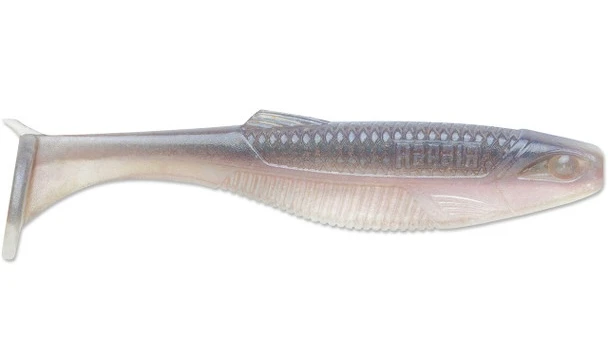
A paddle tail swimbait on a jig head can be fished shallow or deep, fast or slow, vertically or horizontally. You can cast it, troll it, snap jig it, swim it over weeds, drag it near bottom, or drop it through current. That makes it one of the best multi-species lures an angler can carry.
This bait style is especially effective because nearly every predatory fish eats smaller fish. Whether you are targeting walleye, bass, crappie, pike, trout, or salmon, a properly rigged swimbait looks like an easy meal. It does not need to be complicated. When the bait is matched to the depth, cover, and mood of the fish, it flat-out gets bit.
Choosing the Right Swimbait Body Shape
One of the first things to look at when choosing a paddle tail swimbait is the body shape. A thin-bodied swimbait cuts through the water better, falls faster, and runs deeper. That makes it a good choice when you are fishing deeper water, current, or trying to snap jig a bait near bottom.
A wider-bodied swimbait has more water resistance. It falls slower, rides higher in the water column, and usually creates a little more presence. That can be helpful when fish are feeding higher, when you want a slower presentation, or when you are trying to keep the bait above weeds.
Flat-sided swimbaits can also create more flash when they roll side to side. Every time the bait rocks, the side catches light, almost like a crankbait or a fleeing minnow. Round-bodied swimbaits are usually more subtle because they do not flash as much when they roll. Neither one is always better. The key is matching the profile and action to the conditions.
Understanding Tail Action, Thump, and Body Roll
The paddle tail is what gives a swimbait its swimming action, but the whole back half of the bait matters. A larger paddle usually creates more thump, which helps fish feel the lure through their lateral line. That can be a big deal in dirty water, current, or low-light conditions.
The thickness of the tail section also matters. A thinner connection between the body and paddle allows the tail to kick at very low speed. That is important when fishing cold water, slow retrieves, river current, or panfish situations, where you want the bait moving slowly but still looking alive.
A thicker tail section often transfers more action into the bait’s body, creating more roll and wobble. That extra body movement can be great when fish are aggressive or when visibility is low. On tougher bites or in clear water, a more subtle tail kick can sometimes be the better choice.
Match Swimbait Action to Water Clarity
Water clarity is one of the biggest factors in choosing the right swimbait. In dirty water, fish need help finding the bait. That is when a swimbait with more thump, more roll, and more flash can shine. A bait that kicks hard at slow speeds is especially valuable in stained rivers or cold, high water.
In clear water, fish often get a better look at the lure. That is when a more natural body shape, subtle action, and realistic color can be more effective. Instead of trying to overpower the fish with vibration and flash, the goal is to make the bait look like an easy, natural meal.
Picking the Right Jig Head for Swimbaits
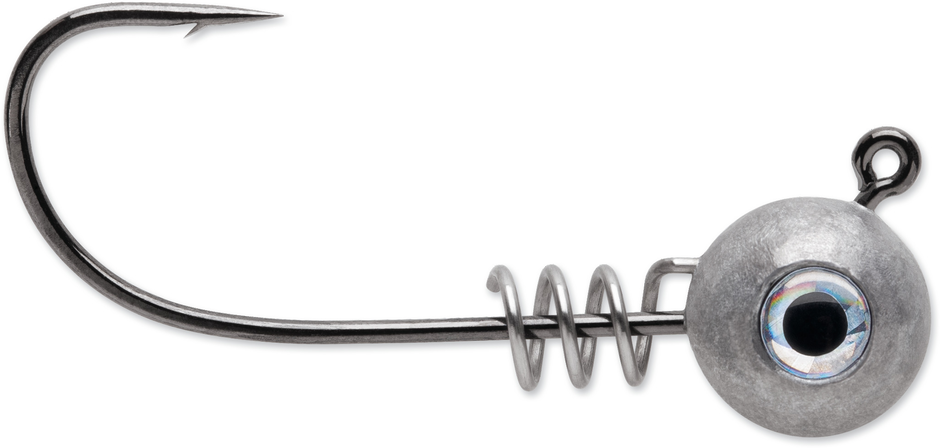
The jig head is just as important as the plastic. A standard 90-degree jig head is a great all-around choice, especially for walleye fishing, vertical jigging, and lift-and-drop retrieves. It gives the bait a natural posture and works well when you want good control near bottom.
Forward line-tie swimbait jig heads are excellent for casting and swimming through cover. Because the line tie is farther forward, they tend to come through weeds better than a traditional jig head. These are good options for bass, pike, and fishing around vegetation.
Darter-style jig heads are another useful tool. Their streamlined shape helps the bait fall faster and creates less drag in the water. They can also give a swimbait a gliding or darting action when snapped, triggering reaction bites from walleyes and bass.
The bait keeper matters too. Screw-lock keepers and good wire keepers help hold soft plastics in place longer. Swimbaits often get grabbed, pulled, and torn near the head, so a solid keeper or a small drop of super glue can save a lot of baits over the course of a day.
Why Many Anglers Fish Swimbaits Too Light
One of the most common mistakes with swimbaits is fishing them on jig heads that are too light. A paddle tail creates lift and drag as it moves through the water. Add braided line, a long cast, and a steady retrieve, and that bait may be running much higher than you think.
For example, a quarter-ounce jig may seem like plenty in 10 or 12 feet of water, but with a bulky paddle tail it can ride several feet above the strike zone unless you fish it painfully slow. That is why heavier jig heads like 3/8, 1/2, or even heavier sizes can be so effective, especially for walleye.
The goal is not always to crawl the bait. Sometimes fish want a swimbait moving with speed. A heavier jig lets you keep the bait down while still reeling fast enough to trigger a chase. That can be the difference between fish following the bait and fish actually eating it.
Best Swimbait Retrieves for Walleye, Bass, and Crappie
A steady retrieve catches plenty of fish, but small changes in speed and direction often trigger more bites. One of the best all-around retrieves is to cast the swimbait out, let it hit bottom, reel it several feet, then stop reeling and let it pendulum back toward bottom. Once it touches down or gets close, start reeling again.
That retrieve keeps the bait near the strike zone while making it look like a baitfish rising and falling. Many bites happen as the bait drops or right when it changes speed.
Snap jigging is another strong option, especially when fish are deeper or reacting to fast movement. A quick pop off the bottom, followed by a controlled fall, can make walleyes and bass bite out of instinct. This can be especially effective in summer when fish are set up on deeper structure.
For crappies and panfish, a smaller paddle tail with a thin tail section can be deadly. These fish are not afraid of a two- or even three-inch bait, especially larger crappies. The key is using a swimbait that kicks at slow speeds so the fish can track it down and eat it.
Rigging Options Beyond a Standard Jig Head
An exposed jig head is the most common way to fish a swimbait, but it is far from the only option. Texas rigging works well around weeds, wood, and laydowns where an open hook would constantly snag. This can be especially useful for bass, pike, and even walleyes tucked into shallow cover.
Drop shotting small swimbaits is another overlooked tactic. A finesse paddle tail on a drop shot can hover just off bottom while the tail subtly kicks and shimmers. It gives fish a different look than the standard minnow or worm-style drop shot bait.
Tokyo rigs and line-through systems also have a place. A Tokyo rig can keep a swimbait close to bottom in deeper water while still allowing the bait to move naturally. Line-through swimbaits can be used for casting heavy weights or trolling, especially for trout, salmon, and lake trout.
Swimbait Gear: Rods, Reels, and Line
For an all-around swimbait setup, a 7-foot medium-light or medium spinning rod with a fast action is a great starting point. Pair it with a 2500-size spinning reel, 10- to 15-pound braid, and a 6- to 10-pound fluorocarbon leader.
A medium-light rod works well with lighter jigs and smaller swimbaits. A medium rod is better when fishing 3/8-ounce jig heads and heavier, or when targeting bigger fish. For heavy cover, large swimbaits, or bigger jig heads, baitcasting gear or heavier spinning tackle may be the better call.
How to Choose Swimbait Colors Without Overthinking It
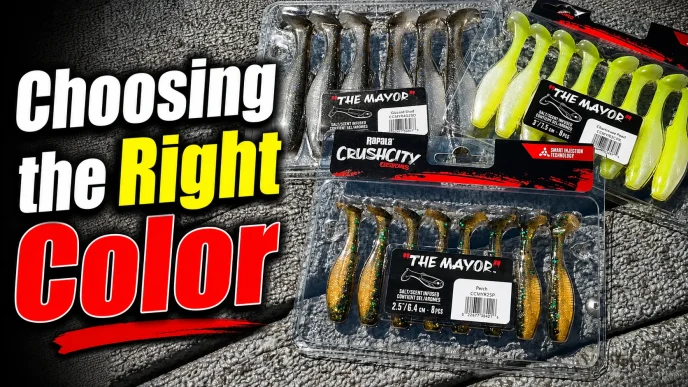
Swimbait color can get overwhelming fast, but it does not need to be complicated. A simple approach is to carry four basic categories: natural silver baitfish colors, perch or bluegill-style colors, bright solid colors, and high-contrast patterns.
Silver, shad, shiner, and cisco-style colors are great when fish are feeding on open-water baitfish. Perch, bluegill, and other darker natural patterns are good around weeds, rocks, and panfish forage. Bright colors like chartreuse, orange, pink, or white can shine in stained water or low visibility. High-contrast patterns like firetiger give fish something bold to track in dirty water.
You do not need every color on the pegboard. A few confidence colors in different visibility categories will cover most situations.
Final Thoughts on Swimbait Fishing
Paddle tail swimbaits work because they imitate one of the most common meals in freshwater: a small fish. They are simple, versatile, and effective on just about anything that swims.
Start with a few swimbaits in the 2.5- to 4-inch range, carry several jig head weights, and keep your color selection simple. From there, experiment with retrieve speed, depth, body shape, and rigging style. Once you learn how to keep a swimbait in the strike zone, it quickly becomes one of the most reliable baits in the boat.