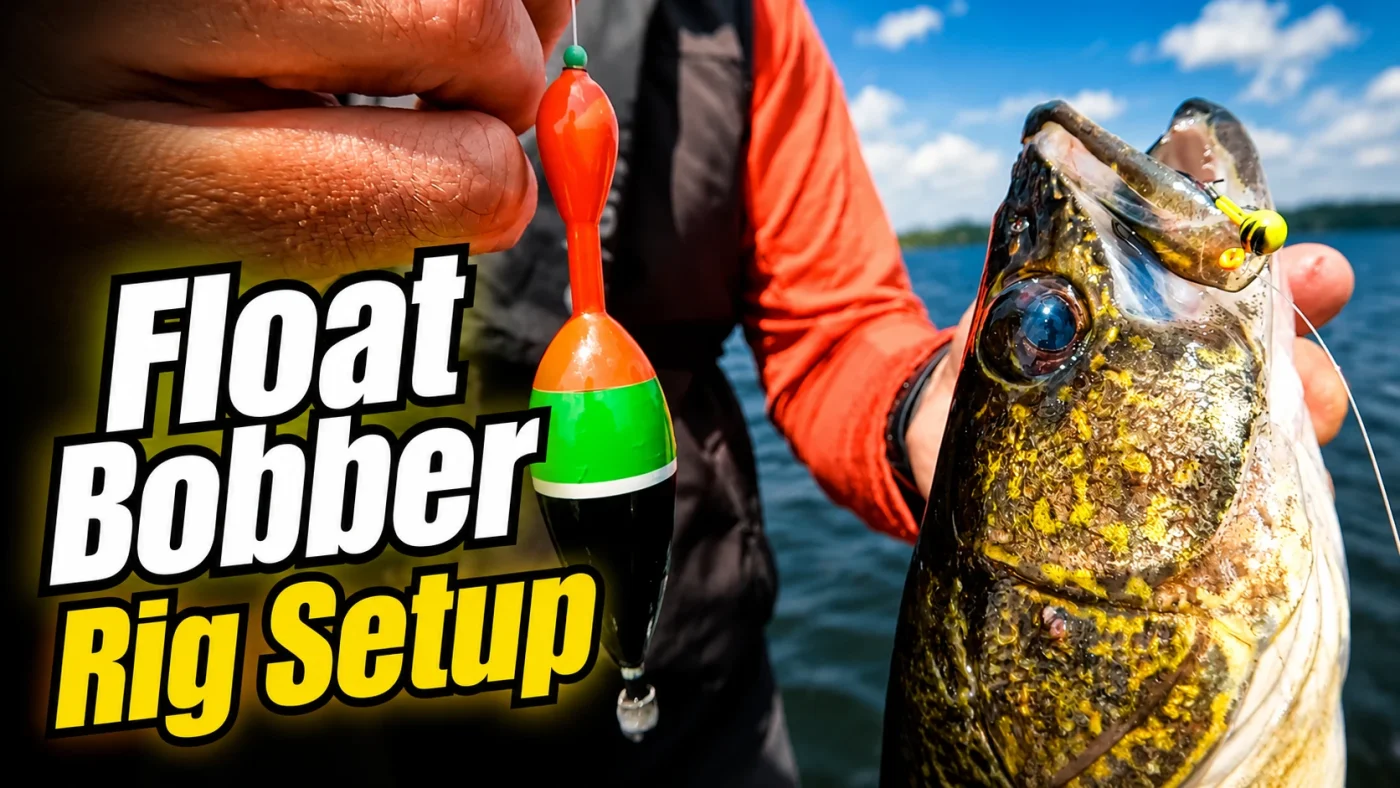

A slip bobber rig has always been one of the most effective ways to catch walleyes, but it has become even more valuable with the rise of forward-facing sonar. Whether you are fishing weeds, rocks, reefs, or scattered structure, a properly rigged slip bobber lets you keep live bait or a small jig right in the strike zone without constantly dragging through cover.
For walleye anglers, the biggest advantage of a slip bobber setup is control. You can fish shallow water, deep structure, or suspended fish with the same basic rig. By adjusting your bobber stop, you can place your bait two to three feet off the bottom and let the fish come up to eat. That makes it a great option when walleyes are holding tight to structure but are still willing to rise for a natural-looking presentation.
Best Rod and Reel for Slip Bobber Fishing
A longer spinning rod helps with casting, line control, and picking up slack before the hookset. For most walleye slip bobber setups, a rod in the 7’6” to 8’ range is ideal. The St. Croix Legend Walleye Tournament 7’6” Slip-N-Rig Rod is a strong choice because it is built specifically for walleye techniques where sensitivity, control, and proper loading are important.
Pairing that rod with a slightly larger spinning reel also helps. A 2500-size reel will work, but a 3000-size reel can pick up line faster and often casts better with slip bobber rigs. The Daiwa Fuego LT 3000 Spinning Reel is a good fit because it is lightweight, smooth, and sized well for this type of setup.
Line, Bobber, and Rigging Setup
For the main line, 8- to 10-pound monofilament is a dependable choice. Mono handles slip bobbers well, casts cleanly, and offers a little stretch when fighting walleyes on lighter tackle. The Sufix Advance Monofilament Line in 8–10 lb is a solid option for anglers who want a durable, easy-handling line for bobber fishing.
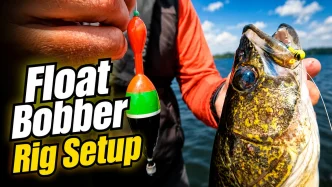
A standard slip bobber rig starts with a bobber stop, followed by a bead, slip float, egg sinker, swivel, fluorocarbon leader, and your hook or jig. Weighted slip floats are especially helpful in the wind because they cast better and stay more stable on the surface. The Thill Pro Series Slip Float is a good option for building a clean, castable walleye bobber rig.
Why Use a Jig Under a Slip Bobber?
While many anglers use a plain hook, a small jig can add extra attraction and help keep bait positioned correctly. A lightweight jig gives the presentation a little more profile while still looking natural. The VMC Neon Moon Eye Jig in 1/32 oz is a great choice for this setup, especially when fishing leeches, minnows, or crawlers around walleye structure.
How to Fish a Slip Bobber Rig
The key to casting a slip bobber is to lob it rather than snap-cast it. A smooth lob helps the bobber, sinker, leader, and jig lay out cleanly instead of tumbling through the air. Once the rig lands, let everything settle and watch the float closely.
Most of the time, setting your bait two to three feet off bottom is a good starting point. If walleyes are aggressive, they will often move up to take the bait. If you are marking fish that will not rise, adjust the bobber stop and bring the bait closer to their level.
A slip bobber rig is simple, but when it is dialed in with the right rod, reel, line, float, and jig, it becomes one of the most efficient ways to catch walleyes around difficult structure.