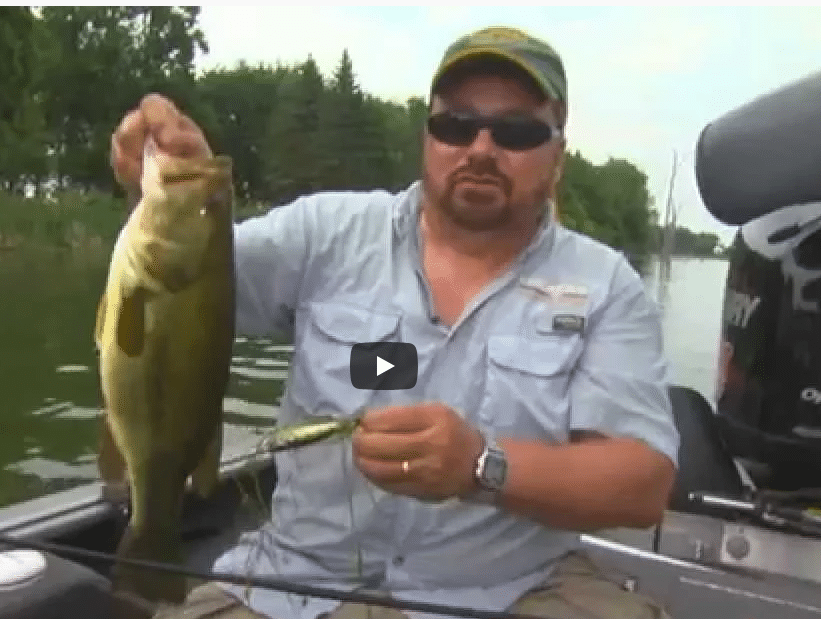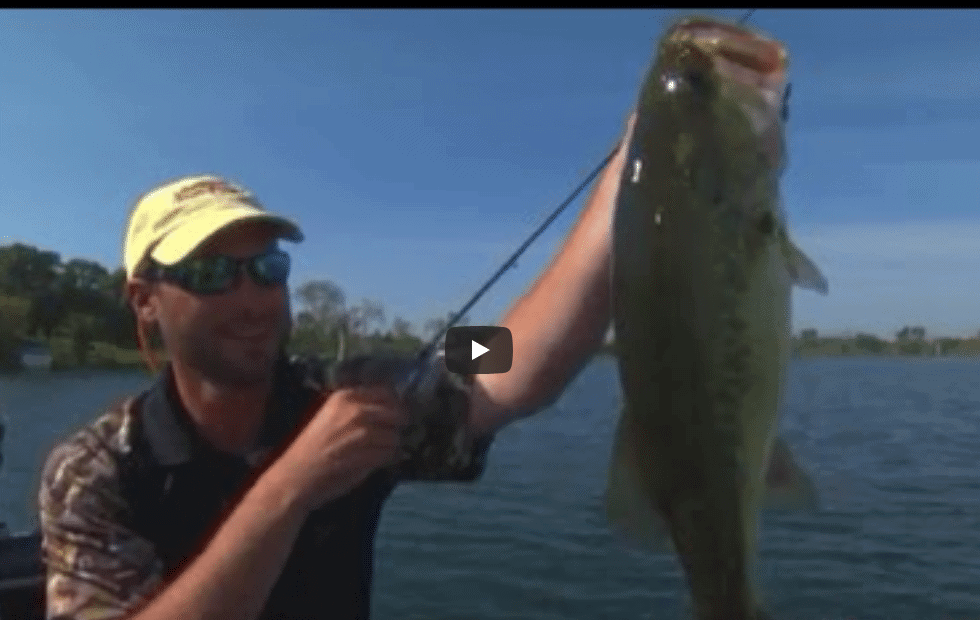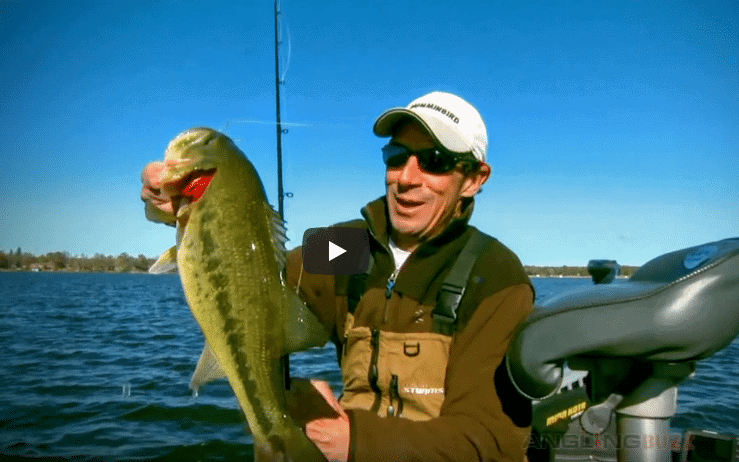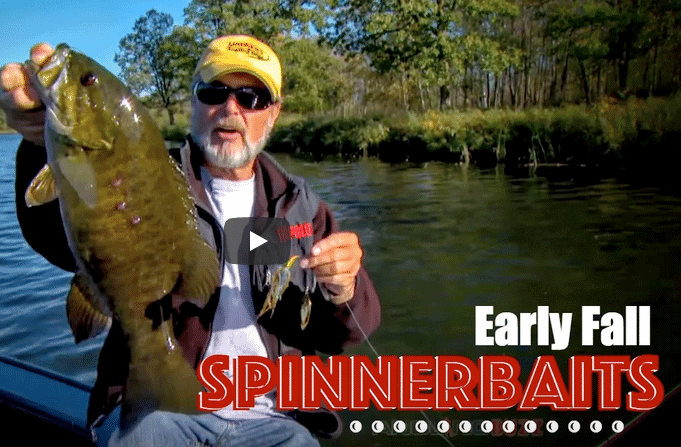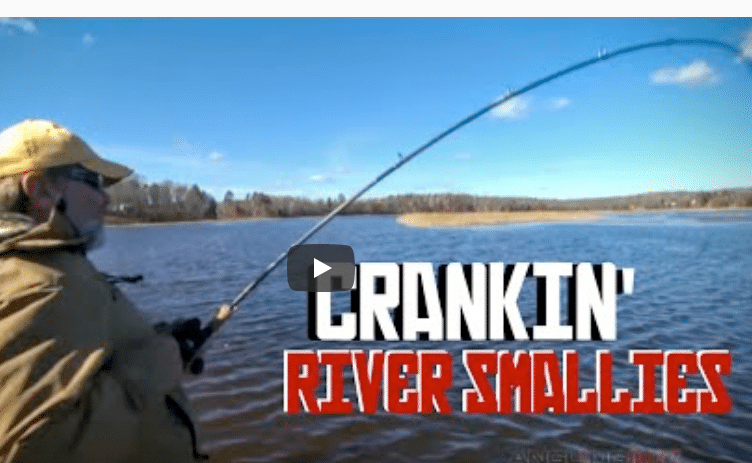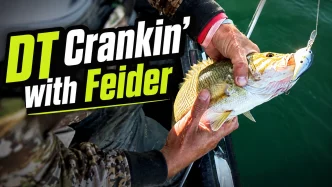


Rip cranking is one of Seth Feider’s favorite ways to trigger aggressive smallmouth bass with a crankbait. Instead of grinding the bait into the bottom, Feider likes to keep the crankbait running above the fish and make them chase it.
This technique works especially well with the Rapala DT Dives-To Crankbait, including DT 10-style baits, when smallmouth are set up around rock, offshore structure, or clear-water feeding areas.
What Is Rip Cranking for Smallmouth?
Rip cranking is a fast, aggressive crankbait retrieve. The goal is to burn the bait down, pull it forward with sharp rips, pause it, and then repeat the cadence.
Feider describes it almost like fishing a Carolina rig at high speed. The bait moves fast, stops suddenly, and gives a smallmouth a chance to overtake it.
This is different from traditional crankbait fishing where the lure is constantly digging into bottom.
Why Keep the Crankbait Off Bottom?
For smallmouth bass, Feider prefers keeping the crankbait above the bottom. Smallmouth often like to rise up and chase bait, especially in clear water.
Keeping the bait off bottom can also help improve landing percentage. When a smallmouth comes up from behind and eats the crankbait, the fish is more likely to get the bait cleanly. When the crankbait is grinding bottom, smallmouth may only pin the bait from above, which can lead to more lost fish when they jump.
The Retrieve: Reel, Rip, Pause
The retrieve is simple:
Reel the crankbait down.
Give it a hard pull or rip.
Pause the bait.
Reel back down and repeat.
Most bites come on the pause. The rip makes the fish chase, and the pause gives them a clean chance to eat the bait.
Why the Pause Matters
The pause is the key part of the technique. When the crankbait stops after a hard rip, a smallmouth that is chasing it can overtake the bait.
That creates a better strike angle and often results in the fish eating the whole crankbait instead of barely getting hooked. For big smallmouth, that can make a major difference in how many fish stay pinned.
Best Crankbaits for Rip Cranking
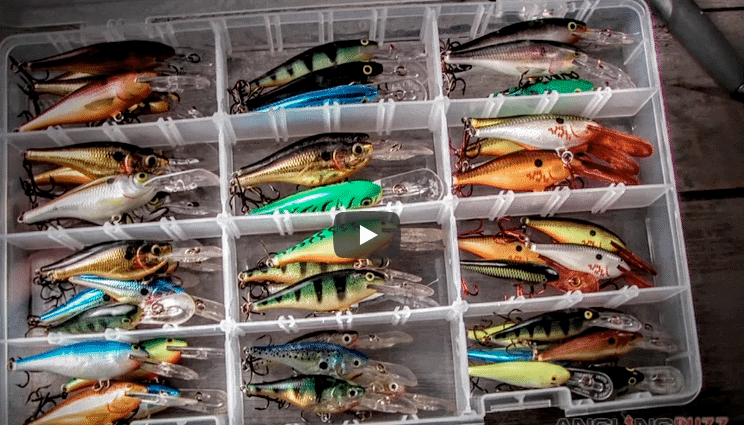
The Rapala DT Dives-To Crankbait is a strong fit for this technique because it gets down quickly, runs true, and can be fished fast with an aggressive stop-and-go retrieve.
A DT 10-style crankbait is a great option when fish are set up in that mid-depth range and willing to chase.
When to Use This Technique
Rip cranking works best when smallmouth are active and positioned around places where they can ambush bait. Rock piles, offshore structure, and clear-water feeding areas are all good places to try it.
It is also a great technique when you want to cover water and trigger reaction bites instead of slowly dragging bottom.
Trigger Aggressive Bites
Seth Feider’s rip cranking technique is built around speed, pauses, and keeping the bait above the fish. By ripping a Rapala DT crankbait and letting smallmouth chase and overtake it, anglers can trigger aggressive bites and land more fish.
For smallmouth anglers, this is a simple crankbait retrieve worth adding to the rotation.