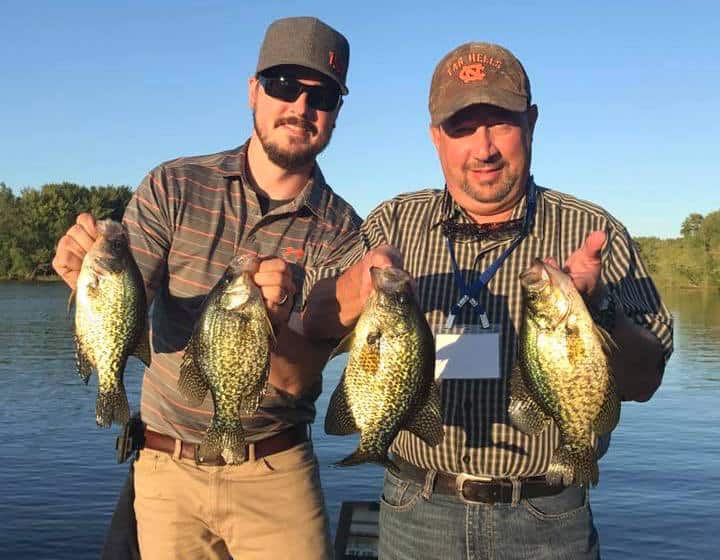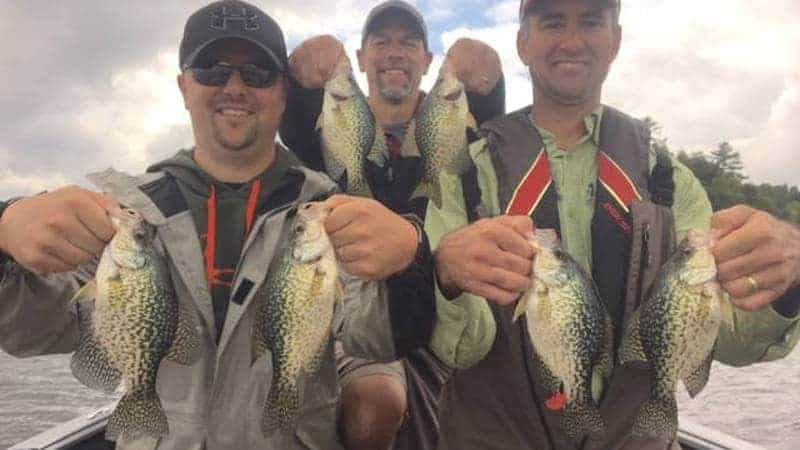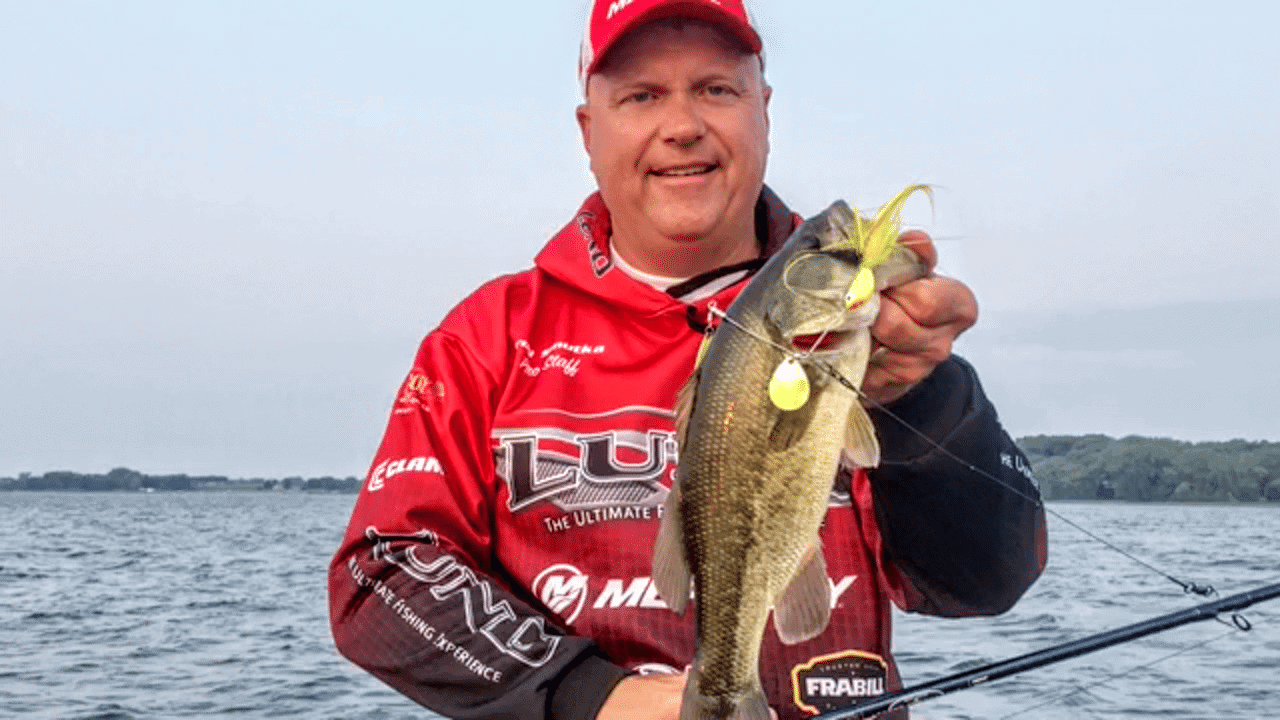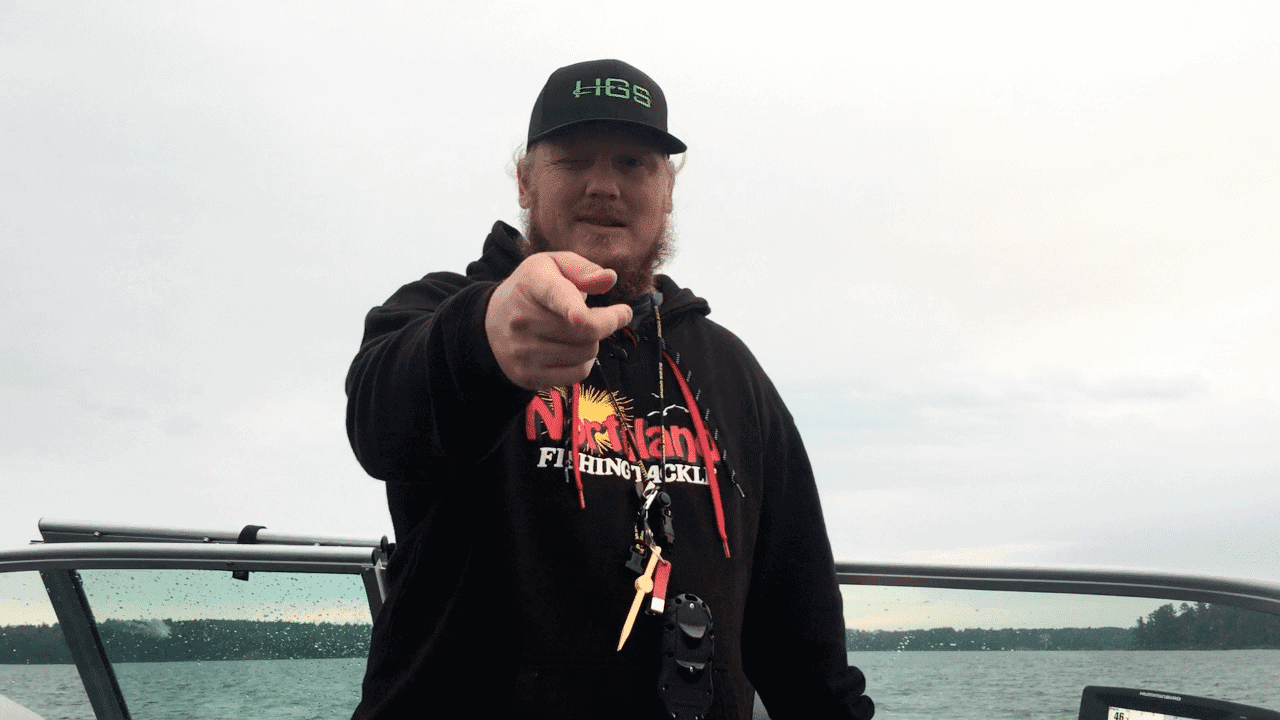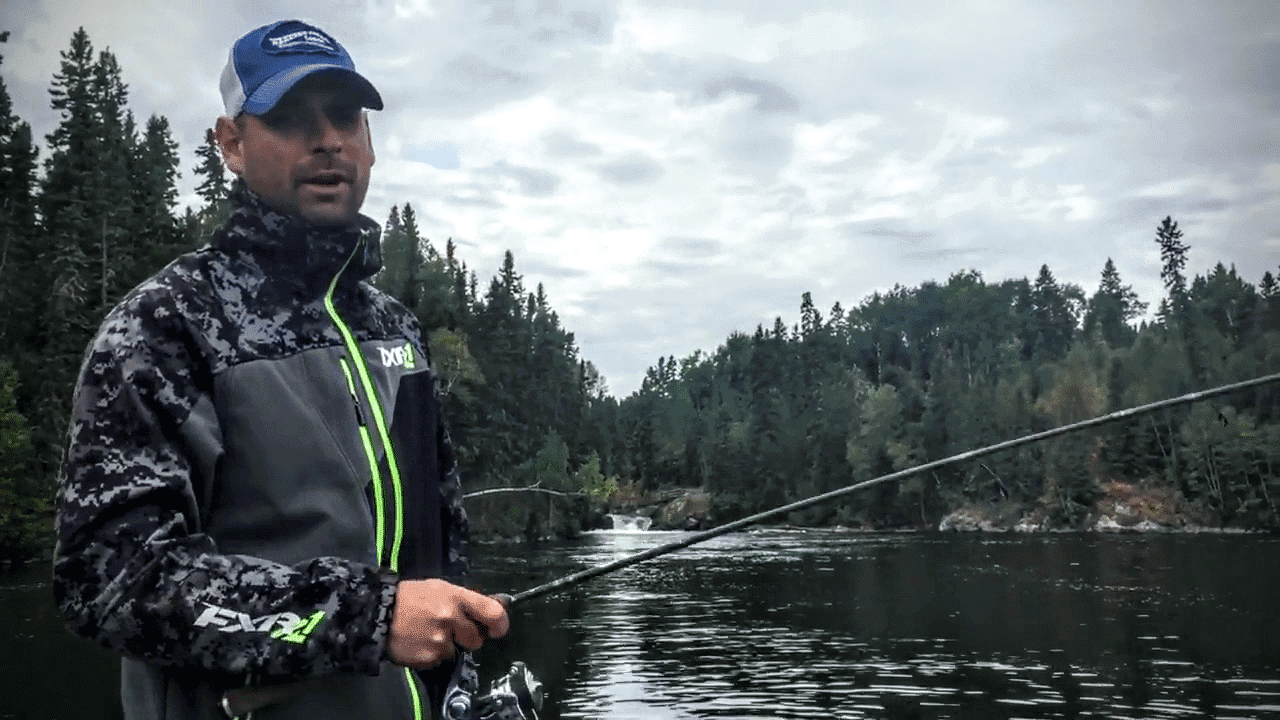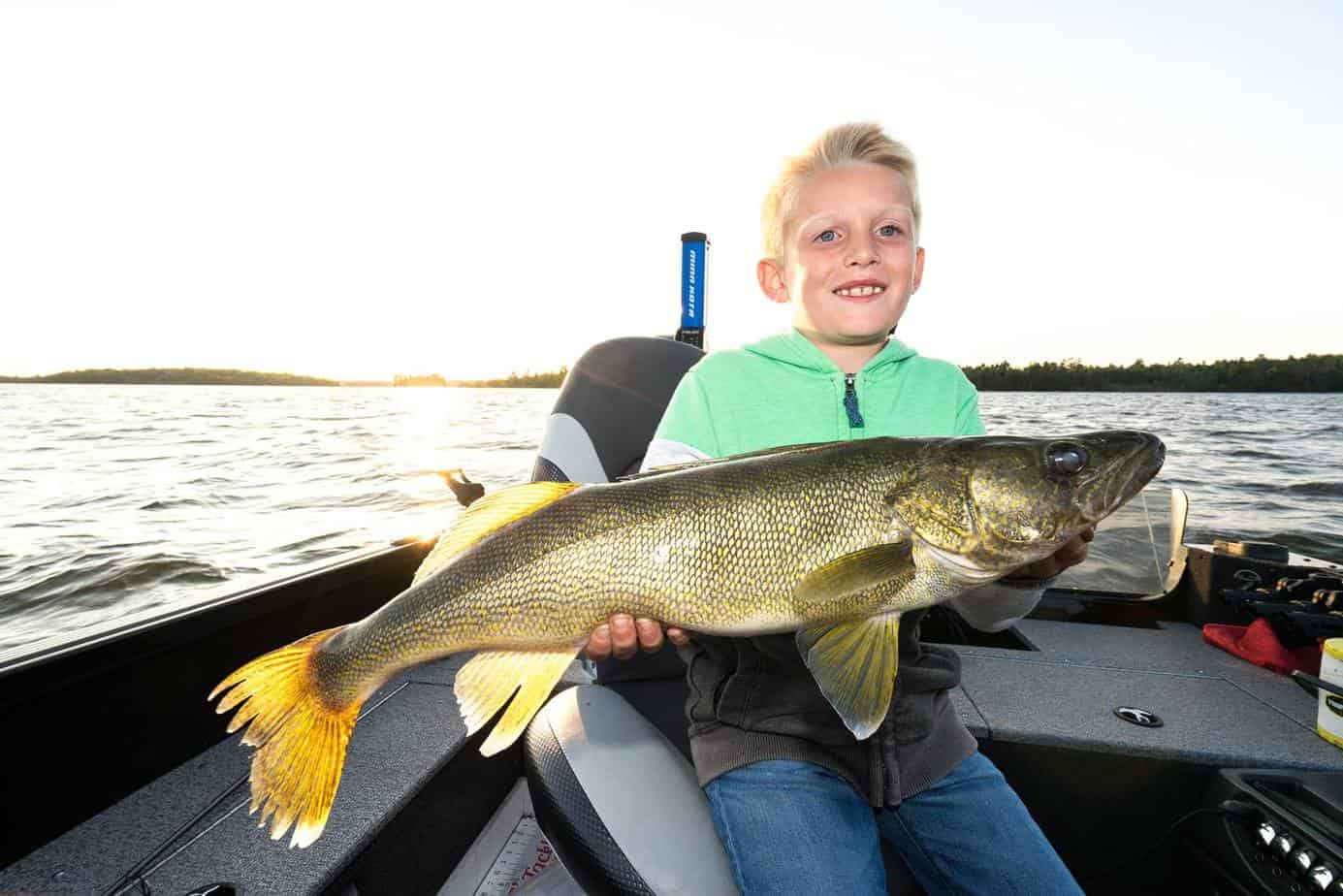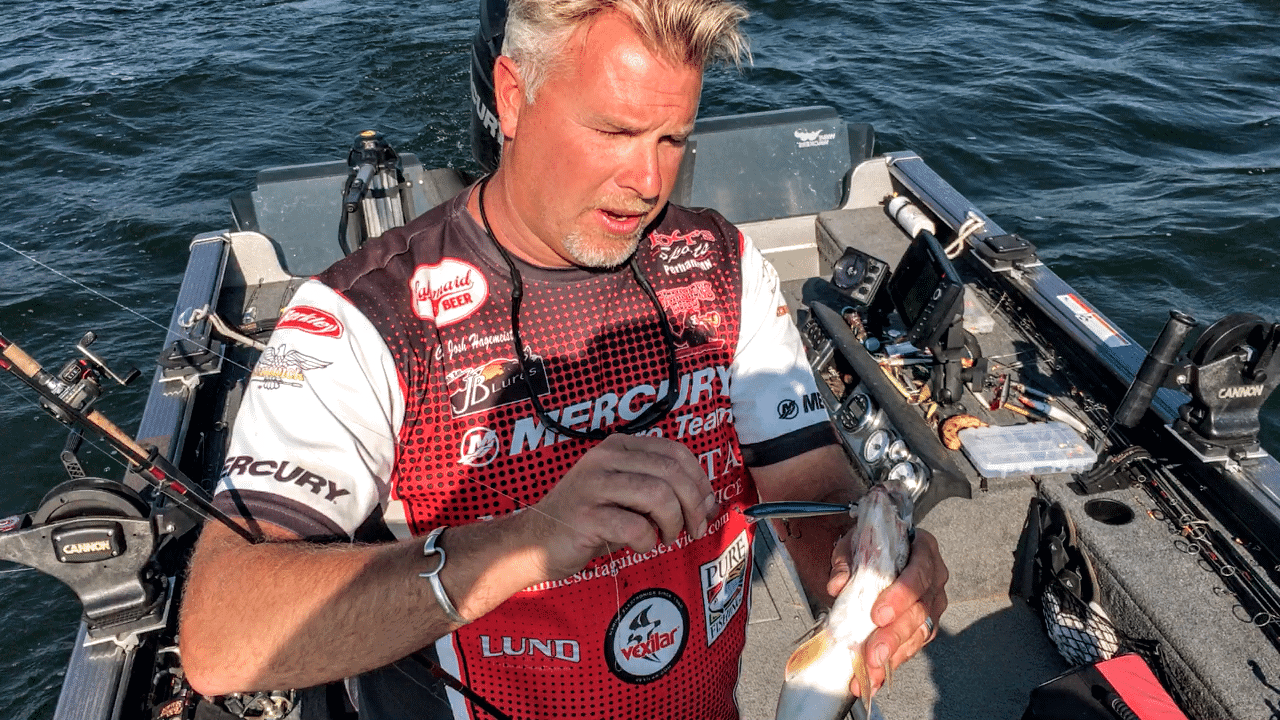

Josh Hagemeister (Minnesota Fishing Guide Service) shares the latest fishing report from central Minnesota, between St. Cloud and Alexandria, for late August.
Captain Josh Hagemeister of Minnesota Fishing Guide Service shares his successful fishing pattern for the past couple of weeks. He has been targeting deeper mud flats in the 30 to 40-foot depth range on a central Minnesota lake. By utilizing downriggers and dragging small crankbaits behind them, he has been able to consistently catch walleye. In this article, we will explore Captain Josh’s downrigging technique and the specific baits he recommends for this pattern.
The Downrigging Technique
Captain Josh Hagemeister has found success by using downriggers to target walleye in deeper water. Downriggers are devices that allow anglers to fish at specific depths by attaching a weight to a cable and lowering it into the water. By adjusting the depth at which the weight is set, anglers can control the position of their lures.
In this particular pattern, Captain Josh has been setting his downriggers to position the lures about three to four feet above the bottom of the lake. This ensures that the crankbaits are right at the bottom or slightly higher, which is where the walleye tend to be feeding. By keeping the lures in this range, Captain Josh has been able to entice the fish to bite.
The Bait Selection
When it comes to selecting the right bait for this downrigging pattern, Captain Josh recommends using small crankbaits. He has been having success with Rapala crankbaits, specifically the smaller sizes. These crankbaits mimic the movement and appearance of small baitfish, which the walleye are actively feeding on.
Captain Josh also mentions that he has been focusing on using crankbaits in whitefish or perch patterns. These patterns closely resemble the types of baitfish that the walleye are targeting in the deeper mud flats. By matching the hatch and using baits that closely resemble the natural forage, anglers can increase their chances of success.
Trolling Speed and Line Length
To effectively fish this downrigging pattern, Captain Josh recommends trolling at a speed of about two and a half miles per hour. This speed allows the crankbaits to swim naturally and attract the attention of the walleye. It’s important to maintain a consistent speed throughout the trolling process to ensure that the lures are presented in a realistic manner.
In terms of line length, Captain Josh suggests using around 120 feet of line behind the weight. This allows the crankbaits to be positioned at the desired depth and gives them enough distance to swim freely behind the downriggers. It’s important to note that with this length of line, it may take some time for the lures to reach the desired depth, especially when fishing in deeper water.
Conclusion
Captain Josh Hagemeister’s downrigging technique for targeting walleye in deeper mud flats has proven to be highly successful. By utilizing downriggers and dragging small crankbaits behind them, he has been able to consistently catch walleye in the 30 to 40-foot depth range on a central Minnesota lake. The key to this pattern is setting the lures about three to four feet above the bottom, where the walleye tend to be feeding. Captain Josh recommends using small crankbaits, such as Rapala crankbaits in whitefish or perch patterns, to mimic the movement and appearance of the baitfish that the walleye are actively feeding on. Trolling at a speed of about two and a half miles per hour and using around 120 feet of line behind the weight are also important factors in this downrigging technique. By following Captain Josh’s advice, anglers can increase their chances of success when targeting walleye in deeper mud flats. So, give this pattern a try on your next fishing trip and see if you can reel in some good eaters!