
Big water walleye fishing can be intimidating. Whether you are fishing Leech Lake, Lake Vermilion, or another large natural lake, the biggest challenge is rarely finding structure. It is figuring out which structure actually has fish on it.
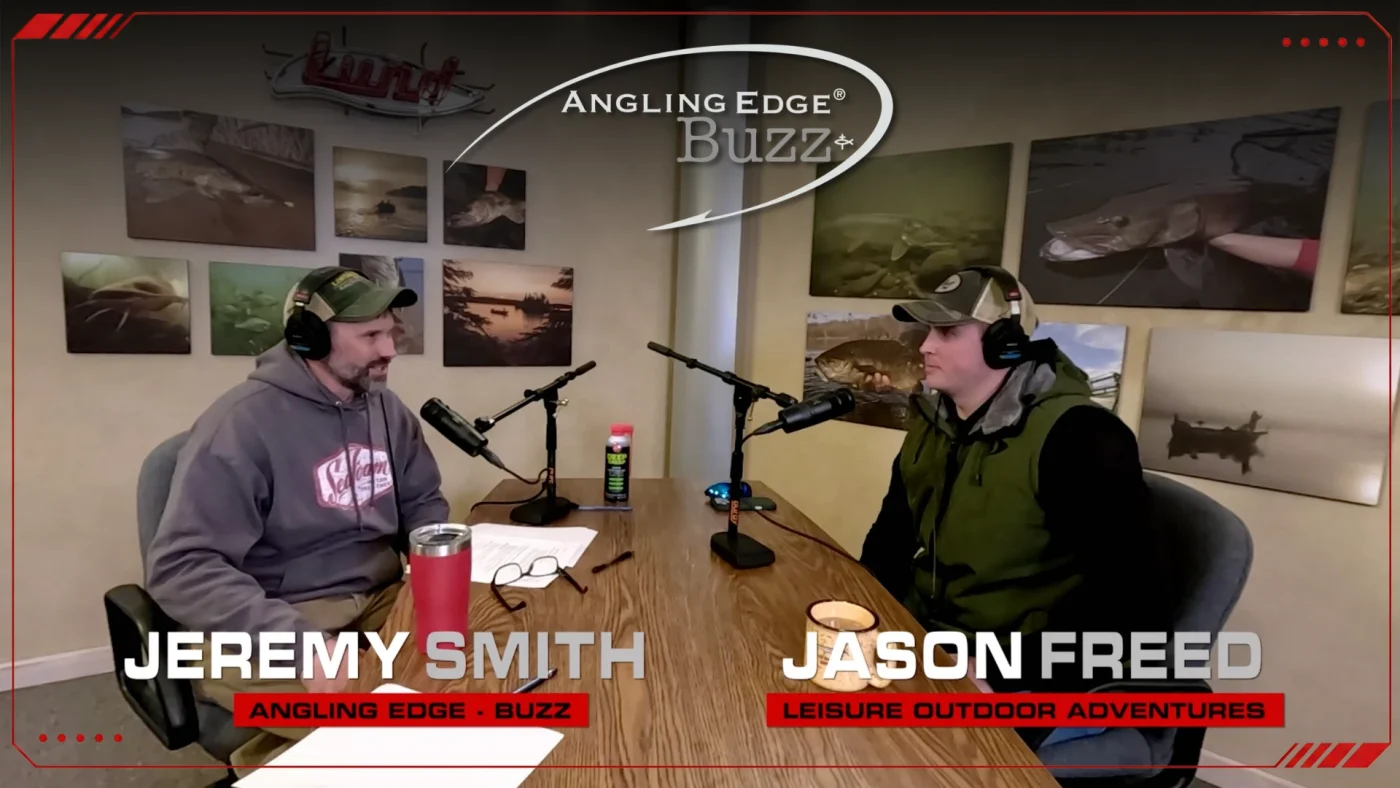
In this conversation with Jason Freed of Leisure Outdoor Adventures, the biggest takeaway is simple: big lakes fish differently, but the process for breaking them down is the same. Pay attention to bait, bottom transitions, weeds, rock, sand, wind, and how walleyes are using those pieces of habitat that day.
Big Water Walleyes Are Not Always on Obvious Spots
On a lake like Leech, anglers often think about wind-blown points, sand flats, sand grass, weeds, and basin-related structure. On a Canadian Shield lake like Vermilion, the amount of rock and structure can feel overwhelming. There are reefs everywhere, which can create serious decision fatigue.
That is why Jason focuses less on simply fishing every reef and more on finding signs of life. Baitfish, bugs, perch, bottom transitions, scattered boulders, weed edges, and small hard-bottom spots can all be clues that walleyes are nearby.
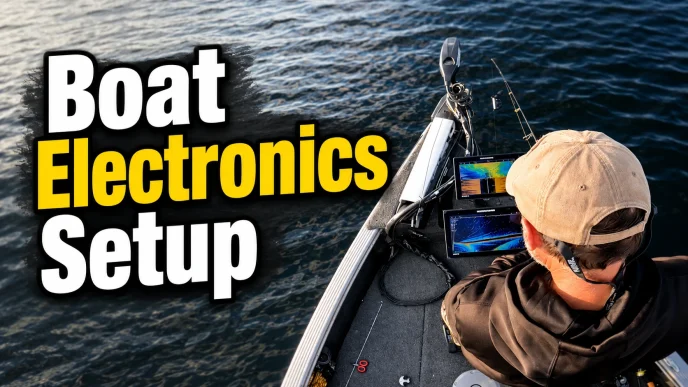
One of the best pieces of advice from the conversation is to keep watching your electronics while traveling. Not every productive spot is marked on a map. Sometimes, a small patch of rock, a hard-bottom area, or a subtle transition in the middle of a flat can hold fish that most anglers drive right past.
Use Side Imaging to Find Transitions
Side imaging is one of the most useful tools for big water walleye fishing because it helps you see beyond the obvious contour lines. On Leech Lake, Jason uses side imaging to find sand, sand grass, weed edges, and small ambush spots that don’t look like much on a traditional map.
That same thinking applies to rock lakes, too. The difference is that walleyes can be harder to see when they are buried tight to rock. Instead of expecting to see every fish, look for bait, life, bottom changes, edges, and small areas that stand out from the surrounding habitat.
When you find a transition, slow down and fish it thoroughly. Big water walleyes often relate to small differences inside large areas.
Jigs Are Still One of the Best Walleye Presentations
Even with all the advancements in electronics and tackle, a jig and live bait remain one of the most reliable ways to catch walleyes on big lakes. Jason talks about fishing jigs with minnows early in the year, then switching into jigs with leeches and crawlers as the season progresses.
For fishing rocks, lighter jigs are often better. Jason mentions that 1/16-ounce and 1/8-ounce jigs cover most of what he needs, especially around shallow rock. A lighter jig hangs up less, moves more naturally, and lets anglers keep the bait just above the bottom instead of constantly wedging it into rocks.
For this style of fishing, the VMC Moon Eye Jig is a strong option, especially in smaller sizes for leeches and crawlers. When extra feel or sonar visibility matters, the VMC Tungsten Moon Eye Jig can be a good upgrade, especially for anglers using forward-facing sonar.
The key is to learn the fall rate. If your jig takes eight seconds to hit bottom, try counting it down six seconds and slowly swimming it above the fish. Many walleyes are willing to feed up, and staying slightly above the rocks can save a lot of jigs.
Slip Bobbers Are Perfect for Rocks, Weeds, and Tough Structure
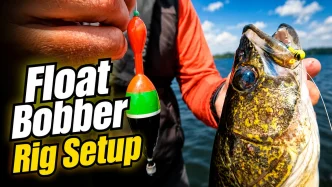
Slip bobbers have made a major comeback in walleye fishing, especially with the rise of forward-facing sonar. But even without high-end electronics, they remain one of the most effective ways to fish structure that is difficult to drag through.
A good slip bobber rig lets you suspend a leech, crawler, or minnow above rocks, weeds, and boulders without constantly snagging. Jason likes keeping bobbers tied up all the time because they allow clients to fish effectively around frustrating structure.
For line, Jason prefers mono in the 8- to 10-pound range for slip bobbers. A quality monofilament like Sufix Advance Monofilament Line is a good fit because mono handles bobber stops well, casts cleanly, and provides the stretch needed when fish load up on a longer rod.
When fishing with slip bobbers, the cast matters. Instead of snapping it hard, use a smoother lob. Stop the line before the rig hits the water so the bait, weight, and bobber lay out cleanly. This reduces tangles and keeps the bait fishing properly.
Cover Water with Spinner Rigs
On big lakes, not every walleye setup needs to be slow. When fish are spread along transition lines, mud edges, basin areas, or weedlines, spinner rigs can be one of the easiest ways to cover water.
Jason talks about pulling spinners with crawlers or minnows, especially on the central and eastern sections of Vermilion, where fish can relate to mud, small minnows, bugs, and transition areas. Spinners let you keep moving until you find active fish.
They are also a great option for mixed-bag fishing. In the right weeds, a simple spinner-and-minnow setup can catch walleyes, crappies, pike, perch, and bass.
Reaction Baits Shine During Low-Light Windows
When walleyes are feeding on perch or pushing up onto shallow feeding shelves, reaction baits can be deadly. Jason specifically mentions the number seven Jigging Rap as a strong option for these situations.
The Rapala Jigging Rap is a great tool when fish are active, and you need to trigger bites quickly. It works especially well when anglers can cast accurately, keep the bait moving, and avoid dropping it directly into snag-heavy rock.
This is not always the best beginner presentation, but for experienced anglers, it can be one of the most exciting ways to catch big walleyes on big water.
Match Your Gear to the Technique
Having the right rod and reel setup makes these presentations easier to fish. For anglers who do not want to piece together a walleye combo from scratch, the St. Croix GXR Walleye Combo is a simple option built specifically for common walleye applications.
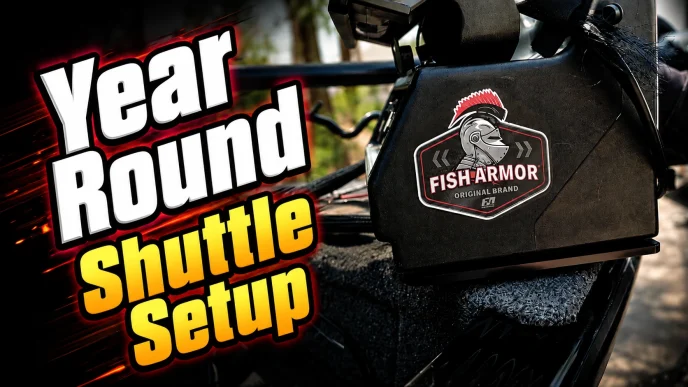
For flexibility in boat rigging and electronics, the Fish Armor 365 Shuttle System is another product mentioned in the episode. It allows anglers to move a sonar shuttle from ice fishing to open water, making it a useful setup for anyone who wants to get more year-round value out of their electronics.
Look for Life
Mastering big water walleyes comes down to reading the lake in layers. Do not just look for the biggest reef or the most obvious point. Look for bait, life, bottom changes, sand grass, rock transitions, weed edges, and small irregularities that other anglers overlook.
Start with simple, proven presentations like jigs, slip bobbers, spinner rigs, and live bait. Then add reaction baits when the fish are aggressive or feeding shallow. Big lakes can feel overwhelming, but when you break them down piece by piece, they become a lot more manageable.