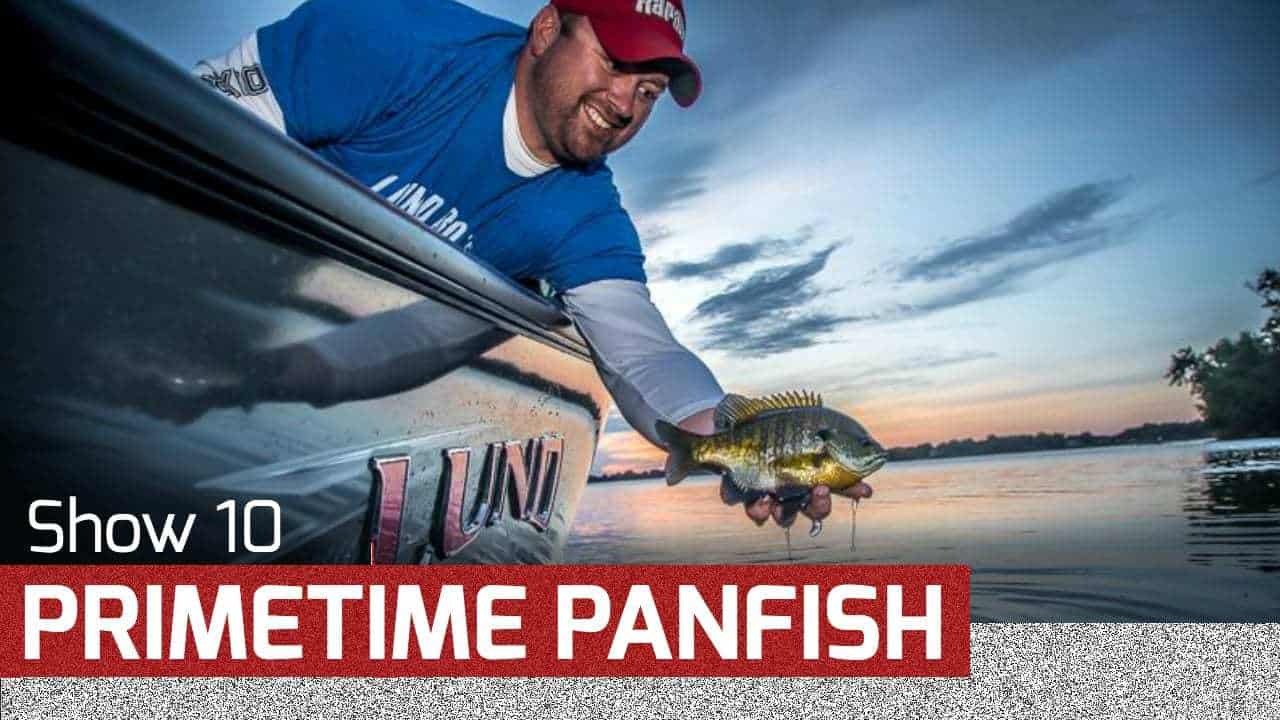

Our guest host Joel Nelson is an avid fan of chasin’ down big pannies all season long, and he’s got some awesome insight to share!
In this article, we will be discussing the latest fishing updates and techniques for catching panfish. We will cover various locations, bait options, and strategies to help you have a successful fishing trip. So, let’s dive in!
Leech Lake, Minnesota
The fishing action in Leech Lake, Minnesota, has been great recently. There are over 112,000 acres of water to explore, offering fantastic opportunities to catch walleye, bass, pike, panfish, and trophy muskies. With over 30 resorts, lodges, campgrounds, and hotels lining its pristine shores, Leech Lake is the perfect fishing vacation destination.
Alexandria, Minnesota
The Alexandria area in Minnesota has also seen some excellent fishing. Anglers have been catching big sunfish, crappies, bass, and walleye. The technique that has been working well for sunfish, crappie, and bass is using a 1/32 ounce jig under a slip bob ber with a small plastic. Colors like red and white or green and white have been effective. Anglers have been popping the jig across the top of the weeds in about 12 feet of water. For walleye, the bite has been a bit more variable. Some days, a slow presentation with leeches or crawlers in 22 to 24 feet of water has been successful, while other days they want a faster presentation. The spinner bite is expected to pick up soon.
St. Louis River, Wisconsin
In northern Wisconsin, the St. Louis River has been a hotspot for walleye fishing. Anglers have been catching a lot of nice fish in the 15 to 20 inch range, with shots at bigger fish from 25 to 28 inches. The technique that has been working well is pulling planer boards with baits like the T-Bone Shad along channel edges and flats in 5 to 8 feet of water. Water temperatures have been around 65 degrees, with some days reaching the low 60s.
Hayward Lakes, Wisconsin
The Hayward Lakes area in Wisconsin has also been experiencing some great fishing action. The smallmouth bass spawn has wrapped up, and mayflies are hatching. Anglers have been having success with the Storm Arashi Cover Pop. Water temperatures are currently around 65 degrees.
Green Bay, Wisconsin
Walleye fishing in Green Bay has been a bit slow on the lower bay due to meat fly hatches. Anglers have been trolling with flicker shads and running them about 25 to 30 feet back behind the boards at about 1.7 miles per hour. Jigging is another option, and anglers can use lipless baits, paddle tails, hair jigs, and twister tails. Targeting depths of 4 to 8 feet for jigging and 7 to 10 feet for trolling has been effective.
Panfish Fishing Panfish fishing has been productive in various locations. Here are some tips and techniques to help you catch panfish:
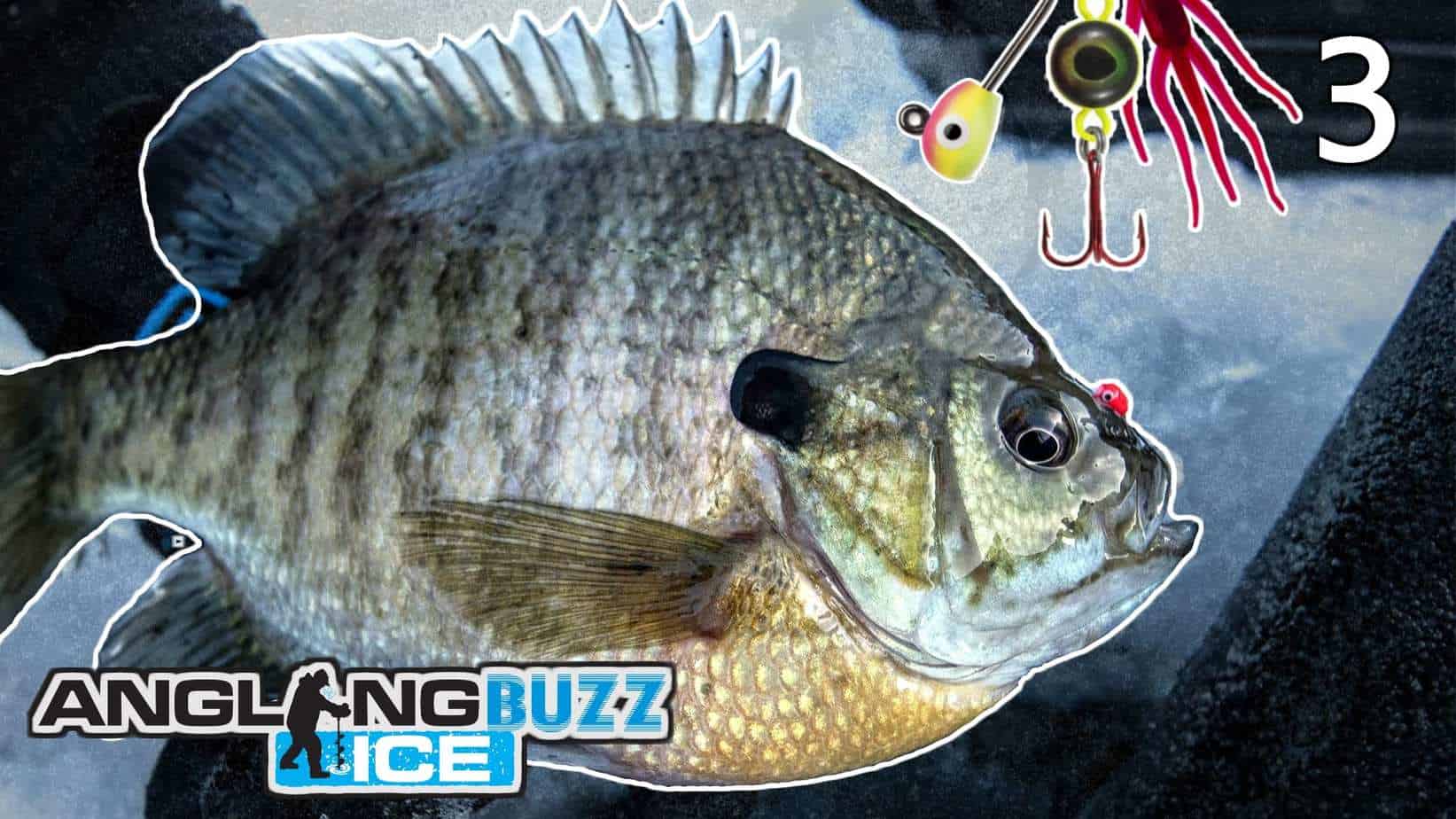
- Bait options: When targeting panfish, using smaller baits is often effective. Consider using finesse sinking ultralight lures, such as smaller X traps or Firefly jigs. Impulse soft plastic jigs, like those from Northland Tackle, can also be effective. Additionally, you can fish with live bait, such as worms or minnows.
- Jigging: Jigging is a popular technique for catching panfish. You can use lipless baits, paddle tails, hair jigs, twister tails, or other jigs. When jigging, position your boat in water depths of about 4 to 8 feet. Experiment with different jigging techniques and depths to find what works best.
- Trolling: Trolling can also be effective for catching panfish. Consider using flicker shads or flicker minnows. Run them about 25 to 30 feet back behind the boards at a speed of about 1.7 miles per hour. Start trolling in water depths of 7 to 10 feet and adjust as needed.
- Depth control: Depth control is important when targeting panfish. Pay attention to the water depth where you are marking fish on your fishfinder. Adjust your bait or jigging depth accordingly to increase your chances of success.
- Speed control: Speed control is crucial when trolling for panfish. Adjust your trolling speed based on the depth you are fishing. Generally, a speed of 1.7 miles per hour works well, but you may need to adjust it slightly depending on the conditions and the fish’s preferences.
Remember to always follow local fishing regulations and practice catch-and-release when necessary to help preserve fish populations. Good luck and happy fishing! In this article, we will be discussing the latest fishing updates and techniques for catching panfish. We will cover various locations, bait options, and strategies to help you have a successful fishing trip. So, let’s dive in!
Leech Lake, Minnesota
The fishing action in Leech Lake, Minnesota, has been great recently. There are over 112,000 acres of water to explore, offering fantastic opportunities to catch walleye, bass, pike, panfish, and trophy muskies. With over 30 resorts, lodges, campgrounds, and hotels lining its pristine shores, Leech Lake is the perfect fishing vacation destination.
Alexandria, Minnesota
The Alexandria area in Minnesota has also seen some excellent fishing. Anglers have been catching big sunfish, crappies, bass, and walleye. The technique that has been working well for sunfish, crappie, and bass is using a 1/32 ounce jig under a slip bobber with a small plastic. Colors like red and white or green and white have been effective. Anglers have been popping the jig across the top of the weeds in about 12 feet of water. For walleye, the bite has been a bit more variable. Some days, a slow presentation with leeches or crawlers in 22 to 24 feet of water has been successful, while other days they want a faster presentation. The spinner bite is expected to pick up soon.
St. Louis River, Wisconsin
In northern Wisconsin, the St. Louis River has been a hotspot for walleye fishing. Anglers have been catching a lot of nice fish in the 15 to 20 inch range, with shots at bigger fish from 25 to 28 inches. The technique that has been working well is pulling planer boards with baits like the T-Bone Shad along channel edges and flats in 5 to 8 feet of water. Water temperatures have been around 65 degrees, with some days reaching the low 60s.
Hayward Lakes, Wisconsin
The Hayward Lakes area in Wisconsin has also been experiencing some great fishing action. The smallmouth bass spawn has wrapped up, and mayflies are hatching. Anglers have been having success with the Storm Arashi Cover Pop. Water temperatures are currently around 65 degrees.
Green Bay, Wisconsin
Walleye fishing in Green Bay has been a bit slow on the lower bay due to meat fly hatches. Anglers have been trolling with flicker shads and running them about 25 to 30 feet back behind the boards at about 1.7 miles per hour. Jigging is another option, and anglers can use lipless baits, paddle tails, hair jigs, and twister tails. Targeting depths of 4 to 8 feet for jigging and 7 to 10 feet for trolling has been effective.
Panfish Fishing
Panfish fishing has been productive in various locations. Here are some tips and techniques to help you catch panfish:
- Bait options: When targeting panfish, using smaller baits is often effective. Consider using finesse sinking ultralight lures, such as smaller X traps or Firefly jigs. Impulse soft plastic jigs, like those from Northland Tackle, can also be effective. Additionally, you can fish with live bait, such as worms or minnows.
- Jigging: Jigging is a popular technique for catching panfish. You can use lipless baits, paddle tails, hair jigs, twister tails, or other jigs. When jigging, position your boat in water depths of about 4 to 8 feet. Experiment with different jigging techniques and depths to find what works best.
- Trolling: Trolling can also be effective for catching panfish. Consider using flicker shads or flicker min nows. Run them about 25 to 30 feet back behind the boards at a speed of about 1.7 miles per hour. Start trolling in water depths of 7 to 10 feet and adjust as needed.
- Depth control: Depth control is important when targeting panfish. Pay attention to the water depth where you are marking fish on your fishfinder. Adjust your bait or jigging depth accordingly to increase your chances of success.
- Speed control: Speed control is crucial when trolling for panfish. Adjust your trolling speed based on the depth you are fishing. Generally, a speed of 1.7 miles per hour works well, but you may need to adjust it slightly depending on the conditions and the fish’s preferences.
Remember to always follow local fishing regulations and practice catch-and-release when necessary to help preserve fish populations. Good luck and happy fishing!
Tackle and Gear Recommendations
When it comes to panfish fishing, having the right tackle and gear can make a big difference. Here are some recommendations:
- Light Jigs: Light jigs are great for casting and vertical fishing for panfish. The Thumper Crappie King from Northland Tackle is a great lure with a blade at the bottom for flash and vibration. The VMC Spin Shot from VMC is another excellent option, with a swivel to prevent line twists and great for vertical fishing.
- Tackle Kits: Tackle kits are a convenient way to have a variety of jigs and lures for panfish fishing. The Southern Pro Tackle 271-piece kit offers different jig heads, profiles, tubes, grubs, and crawfish patterns.
- Rod and Reel Combination: For panfish, a light rod and reel combination is ideal. The Daiwa Revros LT 1000 reel paired with the St. Croix Triumph Series 6’6″ light action rod is a great setup. The Revros LT is designed for lighter diameter lines and the Bionic Pan Fishing Line from Northland Tackle in 3 and 4-pound test is perfect for panfish applications.
- Cooking Equipment: After catching your panfish, it’s time to cook them up! Fleet Farm offers a variety of breading and seasoning options for frying your fish. The Chard Fish and Wing Fryer is a great option for frying, with a 50,000 BTU cast iron burner, a stable three-leg stand, and a 10.5-quart pot with a strainer basket.
All of these products are available online at FleetFarm.com and at your local Fleet Farm store. So, whether you’re looking for tackle, gear, or cooking equipment, Fleet Farm has you covered.
Jig Strategies for Panfish
In this video, Joel Nelson and Issac Nelson from Angling Buzz share some jig strategies for catching panfish, specifically crappies. Jig trolling is a technique they often start with when targeting crappies. They drag jigs behind the boat, starting with heavier jigs and adjusting the weight depending on the depth they’re fishing.
They recommend using a variety of plastics and jigs, as well as experimenting with jigs and live bait to see what the fish are selecting for. Depth control and speed control are crucial when jig trolling for panfish. They suggest starting with a speed of 0.3 to 0.6 miles per hour and adjusting as needed.
Joel Nelson also shares his rod and reel setup for jig trolling. He uses a medium-light Legend Extreme rod paired with a Tula medium spinning reel. This setup allows him to feel the weight of the jig better and provides the sensitivity needed for detecting bites.
They also discuss the importance of depth control when targeting crappies. By marking fish on the graph and vertically jigging, they can target specific parts of the water column where the crappies are located.
Overall, jig trolling can be an effective technique for covering water and catching panfish. It allows anglers to cover a lot of ground and experiment with different baits and depths to find what works best. By paying attention to depth and speed control, anglers can increase their chances of success.
In conclusion, panfish fishing can be a rewarding and enjoyable experience. Whether you’re targeting sunfish, crappies, or other panfish species, using the right tackle, techniques, and gear can make a big difference. From light jigs and tackle kits to the right rod and reel combination, having the right equipment is key. And after a successful day on the water, Fleet Farm offers a variety of breading and seasoning options, as well as cooking equipment, to help you prepare and enjoy your catch. So get out there, try some jig trolling, and have fun catching panfish!