
Why Mono Still Matters: A Deep Dive Into Line Choice for Slip Bobber and Jig Fishing
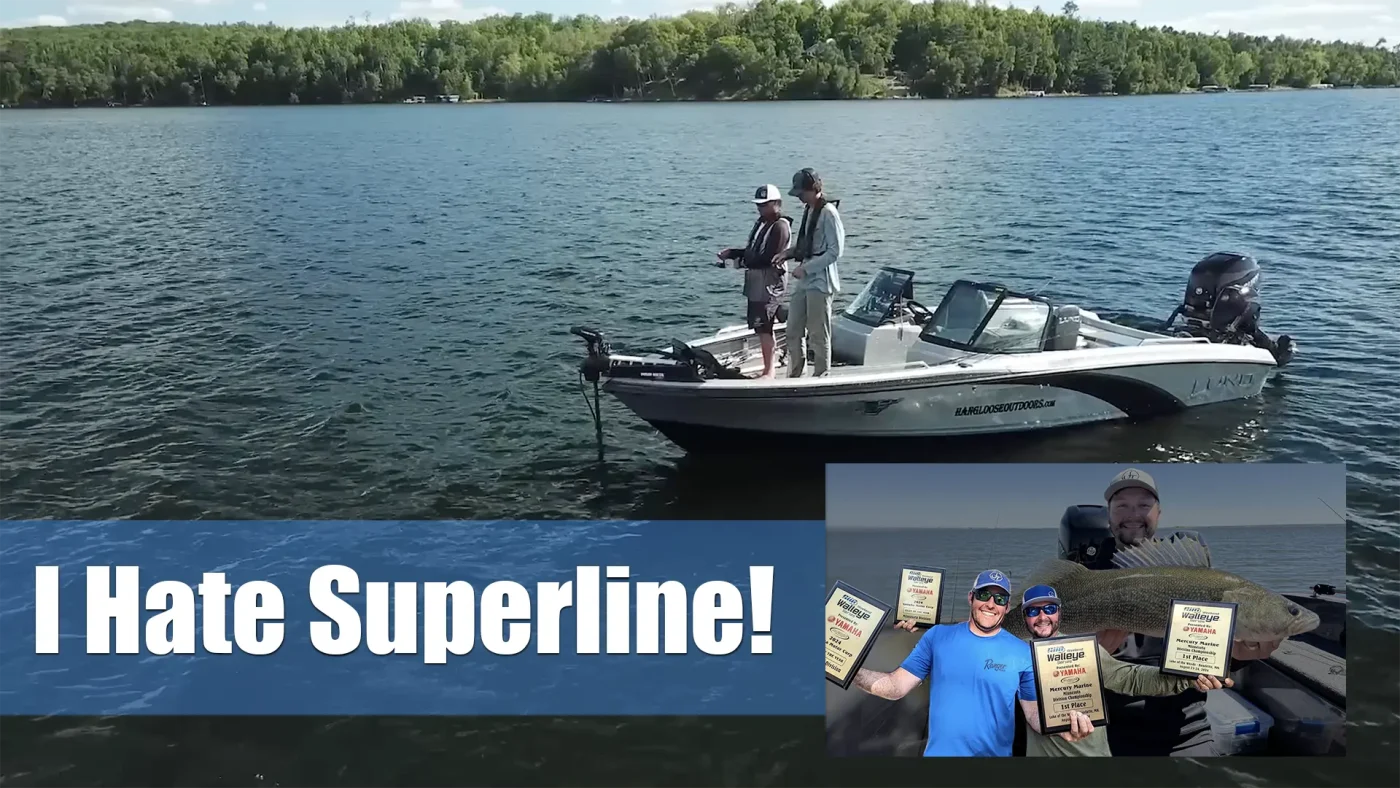
In day and age where braided line dominates the conversation in fishing circles, it’s not often you hear someone say, “I hate braid.” But for some anglers—especially those with tournament experience and a keen eye for subtle presentation—monofilament line remains a critical and deliberate choice. In this post, we explore a compelling perspective on why mono still has a firm place in modern fishing, particularly in pressured environments and finesse presentations.
Challenging the Norm: “I Hate Braid”
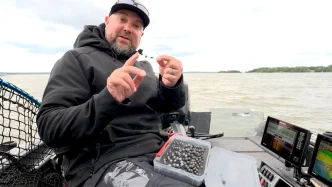
When asked if braid is his go-to, Dylan Maki answered simply, “No, I’m all mono.”
That kind of strong opinion is rare these days, but it speaks to a deeper understanding of how fish react—not just to bait, but to everything connected to it, including line visibility and behavior in the water.
For this Dylan, particularly in slip bobber scenarios and during tournaments, monofilament offers a clear edge. “I think those fish can see that braid from a mile away,” he explained. When you’re targeting pressured fish that have been harassed during a week or more of pre-fishing, every small factor becomes critical.
Why Mono for Slip Bobbers?
Slip bobber fishing demands finesse, and mono is preferred not just for its invisibility, but for its forgiving and natural movement. According to the angler, “When you’re talking your normal jigs and stuff, when it starts getting tough, I feel like they can feel that braid as soon as they catch on to it.”
He typically spools six to eight-pound test mono—light, subtle, and ideal for pressured bites and strong enough to handle even trophy walleyes. The goal is to offer the cleanest presentation possible, minimizing anything that might alert a wary fish.
The Return of Mono in Jigging Applications
The use of mono isn’t limited to bobbers. More and more anglers are rediscovering its advantages in jigging situations. As one angler put it, “I always have it set up for some jig fishing situations… Whatever it does to those baits, it’s different.” While high-visibility mono is sometimes used when fishing braid—especially for bite detection—this expert prefers clear mono for ultra-subtle delivery.
The visibility isn’t the only concern; action plays a huge role too. On a past trip to Leech Lake, while snap jigging shiners in about 14 feet of water, this angler observed a noticeable difference between line types. “When you were snap jigging that mono—because it floats—when you’d rip it, that jig would go straight in the air before it fell back down.” With braid, the same motion resulted in a 45-degree angle movement, altering the jig’s descent.
Subtle Actions, Big Payoffs
These are the nuances that can make the difference between catching fish and going home skunked. “Everything just acts so much different,” he explained. To the average angler, line might just be line, but to those who spend countless hours on the water, these subtleties are everything.
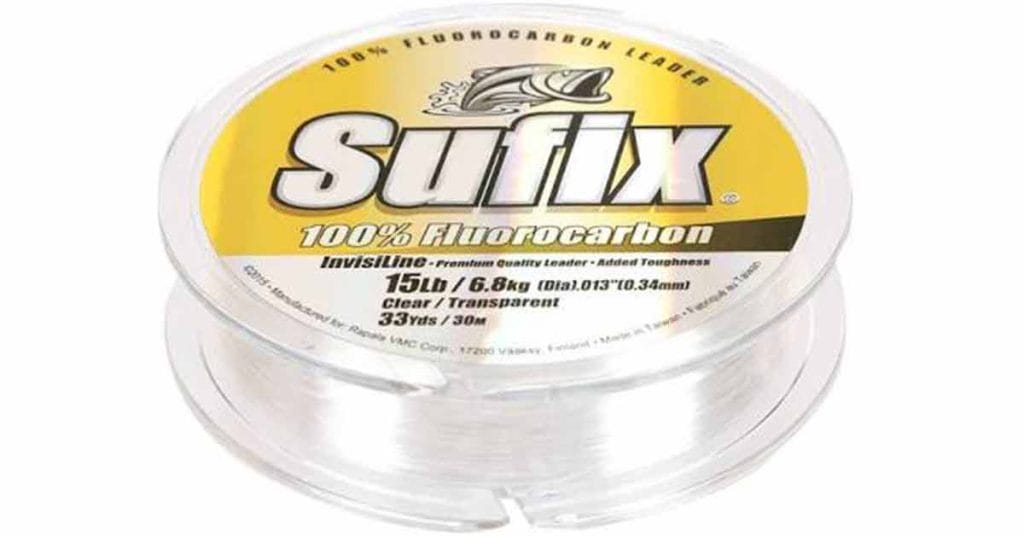
He also notes the behavioral differences between mono and fluorocarbon. Both have distinct properties and applications, but for certain techniques, especially those involving floating presentations or snap jigging, mono provides a uniquely natural action that’s hard to replicate.
Final Thoughts
In a fishing world obsessed with technology and strength, there’s still a place—and a strong one—for simplicity and finesse. Clear monofilament, especially in light poundages, offers a combination of stealth, forgiveness, and natural presentation that can be irreplaceable in certain conditions.
Whether it’s fish seeing the line or reacting differently to bait movement, line choice matters more than ever—especially when every bite counts.