

A Quiet Revolution in Bass Fishing
The evolution of fishing techniques has always been a fascinating topic among anglers. As methods and technologies develop, they create new opportunities for success on the water. Moping, or Damiki-rigging, represents a clear example of such an evolution. This technique not only enhances angler success but also changes the way we understand fish behavior and the aquatic environment.
Fishing enthusiasts often seek innovative ways to improve their catch rates, and the introduction of Moping offered a game-changing perspective on how to target bass. The ability to mimic the natural behavior of prey while remaining highly effective has made this technique particularly appealing to both novice and experienced anglers.
Few lures have reshaped tournament tactics the way the humble jig-and-plastic minnow has. First brought to light on Ontario’s Rainy Lake in the early 2000s, the approach—originally nicknamed “moping” and now widely known as Damiki-rigging—has become a staple for pros chasing suspended smallmouth and largemouth across North America.
Understanding the local fish species is crucial in applying Moping effectively. Differences in behavior, feeding patterns, and habitat preferences can dictate how and when to use this technique. Whether fishing in lakes, rivers, or reservoirs, knowledge of local bass habits increases the likelihood of success.
Another fascinating aspect of the discovery on Rainy Lake was the social interaction among fish. Observing how bass responded to each other and the surrounding environment provided insights into their predatory instincts. This social behavior is a key element in the effectiveness of Moping.
The experience of catching fish while using Moping is often exhilarating. The moment a bass strikes can be both thrilling and educational, as it reinforces the principles of depth, size, and speed. Anglers learn to read the water and adapt their strategies accordingly, refining their skills with each outing.

Rainy Lake, 2003-2004: Discovering the Pattern
During back-to-back Rainy Lake events in 2003 and 2004, brothers James and Bill Lindner stumbled onto something extraordinary. Pre-spawn smallmouth were following smelt schools out of a shallow back-bay and suspending just four to five feet beneath the surface along 15-foot ledges that dropped quickly into 30–40 feet.
On the third day of practice the trio rounded a bull-nose point when Bill spotted a fish beneath the bow. He dropped a soft-plastic minnow on a plain jig head straight over the side and instantly pinned a 3½-pounder. Seconds later another rod produced an identical bite, then another and another. The common thread: every fish hovered high in the water column, waiting to ambush pelagic forage drifting up from deeper water.
Cracking the Code: Depth, Size & Speed
Mapping several nearby ledges revealed the same setup—pods of bass suspended 4-5 feet down over deep water, primed to pick off smelt. The lesson was crystal clear:
The psychology of stillness plays a significant role in the Moping technique. It teaches patience and the importance of observing fish behavior before making a move. This mental aspect of fishing can be just as crucial as the physical skills required to cast and retrieve.
- Depth – Keep the lure in the fish’s strike zone, well above the bottom.
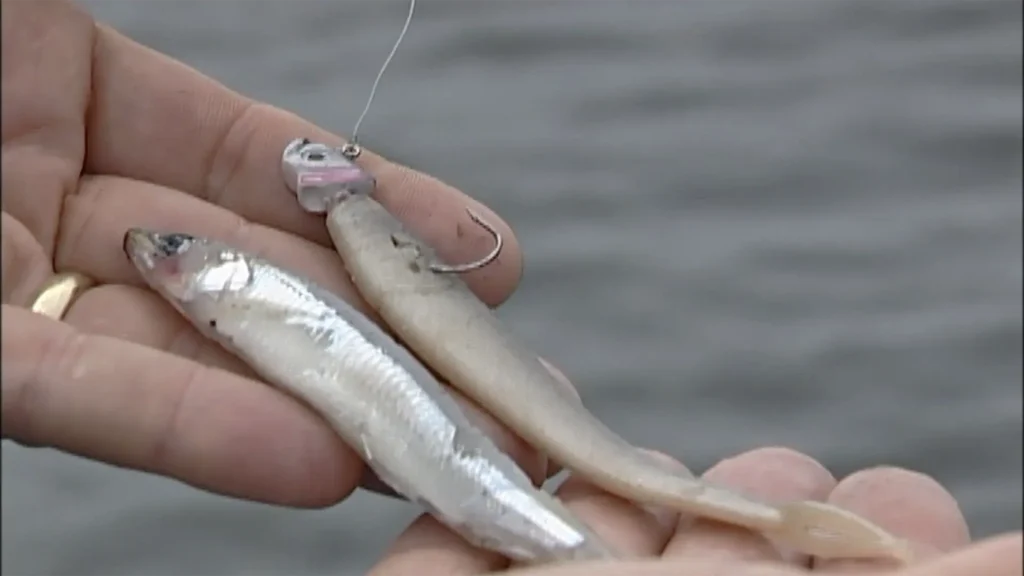
- Size – Match the slender profile of a young smelt with a 3–4 inch straight-tail plastic.
- Speed – Or more precisely, lack of speed. The dead-still posture of a single, “lonely” minnow was the real trigger.
In addition to bass, Moping can also attract various other species, making it a versatile technique. Understanding which fish are present in the same waters can provide a broader fishing experience, allowing anglers to adapt their tactics and enjoy different catches.
Over the years, many anglers have shared their Moping success stories, highlighting the importance of experimenting with different lures, colors, and presentations. This community knowledge has contributed to evolving the technique further, creating a rich tapestry of fishing lore around Moping.
Rod holders routinely outfished anglers who instinctively jigged or twitched, proving that stillness—a long pause with the bait hovering—was the secret ingredient.
With advancements in fishing technology, from improved rod materials to sophisticated sonar systems, anglers today have unparalleled tools at their disposal. These innovations complement the Moping technique, allowing for greater precision and effectiveness on the water.
The Anatomy of an “Invisible” Presentation
Participating in fishing tournaments provides a unique opportunity to see Moping in action among competitors. Observing different anglers’ strategies and approaches can further enhance one’s understanding of the technique and inspire new tactics to try.
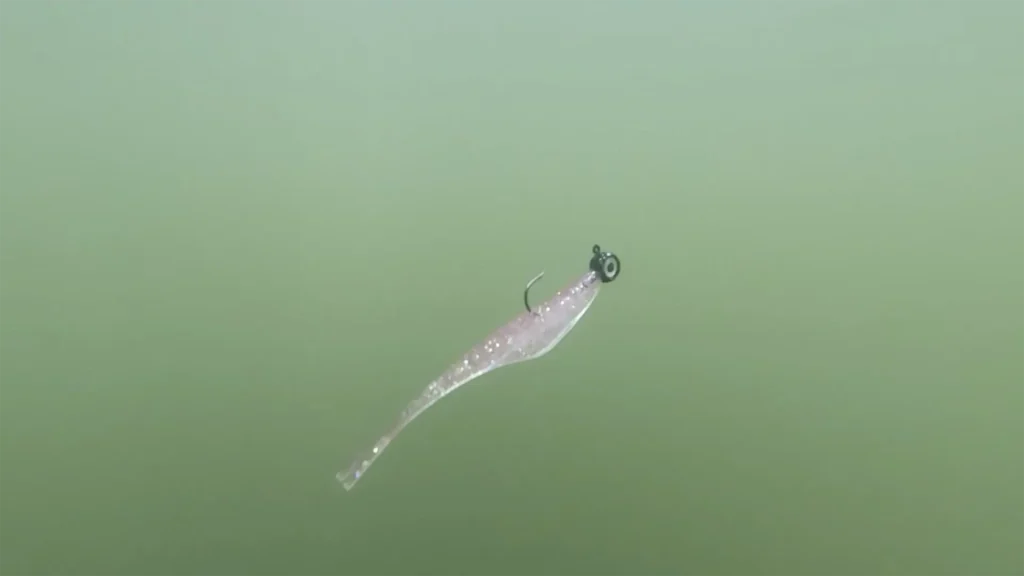
Unlike traditional jigging, Damiki-style fishing lets gravity and line angle suspend the bait perfectly horizontal. Once it reaches the target depth you simply hold the rod motionless, allowing subtle water movement to make the plastic breathe. Forward-facing sonar now makes it possible to watch individual fish rise to greet the offering—identical to a high-tech version of sight-fishing under the boat two decades ago.
From Secret Weapon to Tour-Level Staple
Word eventually leaked. Brian Thrift refined the approach on clear Carolina reservoirs; Jeff Gustafson used it to win a Bassmaster Classic. Today, forward-facing sonar plus the Damiki rig dominate everything from northern smallmouth derbies to southern spotted-bass shoots—even walleye events where smelt, cisco and shad roam mid-depth.
Fine-Tuning for Today’s Angler
Ultimately, Moping is about connecting with nature and developing a deeper appreciation for the sport of fishing. Each experience on the water offers valuable lessons, whether catching fish or simply enjoying the tranquility that comes with being outdoors.
As anglers continue to explore and refine their techniques, Moping stands out as a testament to innovation in bass fishing. Its enduring appeal lies in its simplicity and effectiveness, proving that sometimes the most straightforward methods can yield the best results.
- Jig Heads: 1/8–⅜ oz ball or “hover” heads with 90-degree line ties keep the minnow level.
- Plastics: Soft, straight-tail minnows with a keel belly—or trimmed paddle-tails—match thin forage.
- Line & Rods: Light braid (10-15 lb) to a 6-8 lb fluorocarbon leader on a medium-light spinning rod transmits subtle pickups without overpowering the presentation.
- Electronics: Use FFS to locate individual arcs, drop slightly above them, and wait. When a fish rises, resist the urge to twitch—let the pause seal the deal.
Why the Lonely Minnow Still Dominates
Twenty years on, the principles uncovered on Rainy Lake remain unchanged: match the hatch, suspend it precisely, and let stillness do the talking. Master that trio of depth, size, and speed—especially the courageous pause—and you’ll join a lineage of anglers who turned a single dangling minnow into one of the most influential tactics of the 21st-century bass scene.