Power Corking Walleye
During mid summer when walleyes move deep one of the most effective ways to target them is by power corking.
Now I have caught a tremendous number of different fish species on floats everything from salmon, trout, walleyes, muskies northern pike, catfish, and panfish. I mean live bait under a float works for all different fish species, but one place it can really shine is for walleyes during nice, flat sunny days.
Power corking is a term for aggressive slip bobbering, and it can be so effective one day that isn’t necessarily ideal for fishing walleyes. I am talking about high sun, no wind, and no clouds.
Basically, what you do is drive around marking groups of walleyes. Once you drive over a school, drop your bobber set up right over the fish. I will usually wait for a minute or two, and if you don’t catch one within that time, reel up and move on to the next school. It is really a method that allows you to position your bait directly in front of the fish and target aggressive fish in the school.
When you are going to power cork, there are some things you’ll want to keep in mind. Generally, you will want to fish in the same depth or around the same depth so you don’t have to keep adjusting your bait.
I also prefer to use a jig head over a plan hook, because I have found that the jig head keeps your bait closer to the bottom and in front of the fish.
There is no question about the effectiveness of power corking for walleyes. When you have those bluebird sky day with little to no wind and less-than-ideal walleye conditions, it is one of the best methods you can use.
Introduction
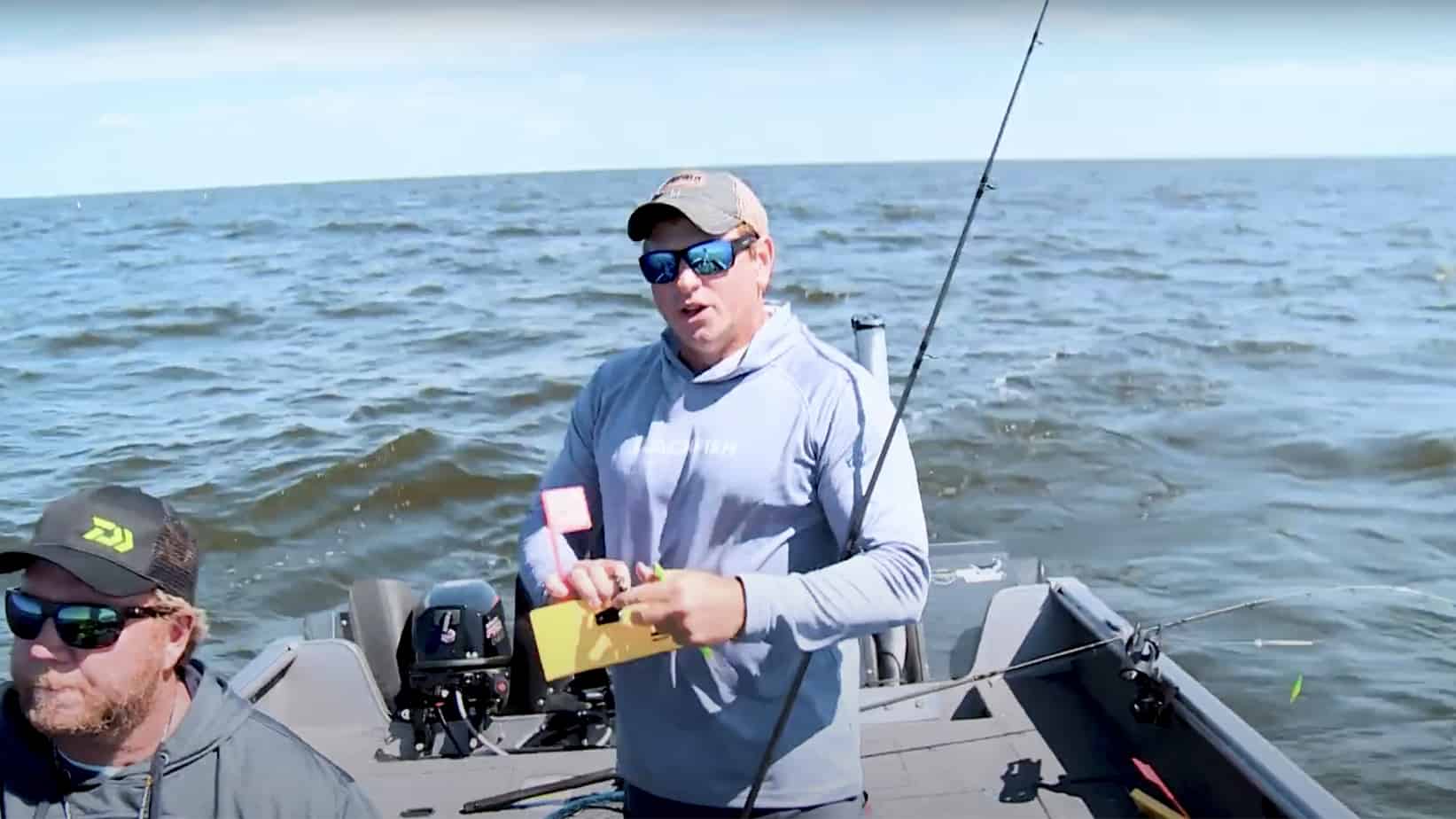
In this article, we will explore the exciting world of deep water walleye fishing with floats or bobbers. My fishing partner, Nick, and I have had great success catching a variety of fish species using this technique, including salmon, trout, walleyes, muskies, northern pike, and catfish. Float fishing is a versatile method that can be effective for different fish species. Today, we are fortunate to have a calm day on the lake, which is ideal for float fishing. The goal is to present the bait as close to the fish as possible, right above them. Any fish would find it hard to resist a tempting leech dangled in front of its face.
Different Presentations
Out on the lake, we observe various presentations that are working well for walleye fishing. Some anglers are pulling spinners, others are trolling with Rapalas in open water, and some are live bait rigging and float fishing. Each technique has its own advantages, but today we are focusing on float fishing.
Rigging for Float Fishing
There are a couple of ways to rig up for float fishing. Currently, I am using a single hook with a resin bead, which works well for live bait presentations with leeches. My fishing partner, Dad, is considering switching to a jig head. Many experienced guides, such as Brad Hawthorne and Tony Roach, prefer using a small jig because it provides a different look and helps anchor the leech, keeping it in place. With a straight hook, the leech has a tendency to swim out, but a jig head keeps it positioned accurately, straight down. This rig is relatively simple, consisting of a jig, three feet of fluorocarbon, a barrel swivel, two split shots, a float, a bead, and a bobber stop.
Effectiveness of Floats for Walleyes
Today, we are experiencing a bluebird day with absolutely calm conditions, which may not be considered ideal for walleye fishing. However, floats can still make it happen. As we can see from our successful catches, floats are highly effective for walleyes. The key is to present the bait close to the fish, and floats allow us to do just that. Even on a calm day like today, walleyes cannot resist the temptation of a leech dangling in front of them.
Conclusion
Float fishing with bobbers is a versatile and effective technique for catching walleyes and various other fish species. It allows us to present the bait right above the fish, increasing our chances of success. Whether you prefer using a single hook with a resin bead or a jig head, both options have their advantages. The simplicity of the rig makes it easy to set up and use. So, the next time you’re out on the water, give float fishing a try and see the results for yourself.