




One of the most enjoyable bites going on right now in our region is vertical jigging for trout in the Great Lakes. It’s extremely satisfying to mark a fish on your graph, drop your bait down to them, and watch them drill it in real-time.
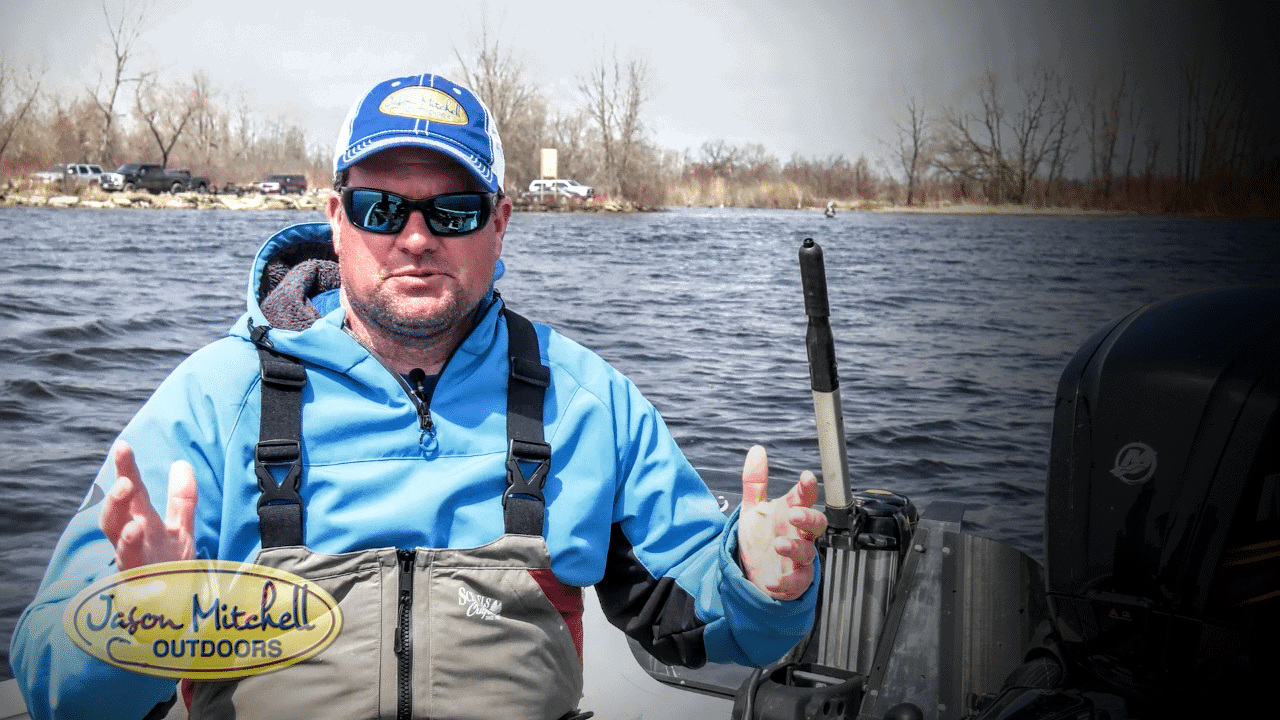
In the video above, Capt. Ben Wolfe (Sport Fish Michigan) shows step-by-step how he tackles this bite. It’s pretty simple, and it’s a lot of fun!
Precision Vertical Jigging for Great Lakes Trout (Ultra Deep)
In this article, we will explore the technique of precision vertical jigging for catching trout in the Great Lakes. This method involves idling around the structure and looking for marks on the bottom to locate the fish. By understanding their preferred depth range and using the right equipment, you can increase your chances of success.
Locating the Fish
To start, it is important to understand the depth range that trout prefer. According to our findings, trout in the Great Lakes tend to be found in the range of 95 to 100 feet. By idling around the structure and keeping an eye on the bottom, you can look for marks that indicate the presence of trout. These marks may appear similar to bracelets on the graph.
Utilizing Graphs for Precision
One key tool for successful precision vertical jigging is having access to graphs. In this case, the angler has a graph on their trolling motor and another one at the back of the boat. These graphs are separated by 20 feet, allowing the angler to get a better understanding of what is coming up ahead. The front graph is particularly important as it helps the angler position the boat perfectly in between the marks they are seeing on the graph.
Once the angler spots a school of trout on the graph, they stop the boat and engage the spot lock feature on their I-pilot. This allows them to stay in one spot and focus on fishing the area where the trout are located.
Precision Jigging Technique
When it comes to the actual jigging technique, using a big caster reel can be advantageous. With this type of reel, the angler can control all of their line with one hand. By letting up more line and using their thumb to control the spool, they can easily engage the reel with their ring finger on the star drag and handle.
The angler drops their jig down to the desired depth, keeping an eye on the marks they saw on the graph. Once they reach the right depth, they can start jigging the lure. The goal is to mimic the movement of prey and entice the trout to strike. When a trout is marked on the graph, the angler drops their jig down and hooks up with the fish.
The thrill of hooking into a trout and reeling it in is what makes precision vertical jigging such an exciting technique. The angler in the video demonstrates this by successfully hooking and landing several trout using this method.
Conclusion
Precision vertical jigging is a highly effective technique for catching trout in the Great Lakes. By understanding the preferred depth range of the fish and utilizing graphs to locate them, anglers can increase their chances of success. The use of a big caster reel and the proper jigging technique are also key factors in enticing the trout to strike. So, the next time you’re out on the water, give precision vertical jigging a try and see if you can hook into some Great Lakes trout. Happy fishing!





Comments are closed.