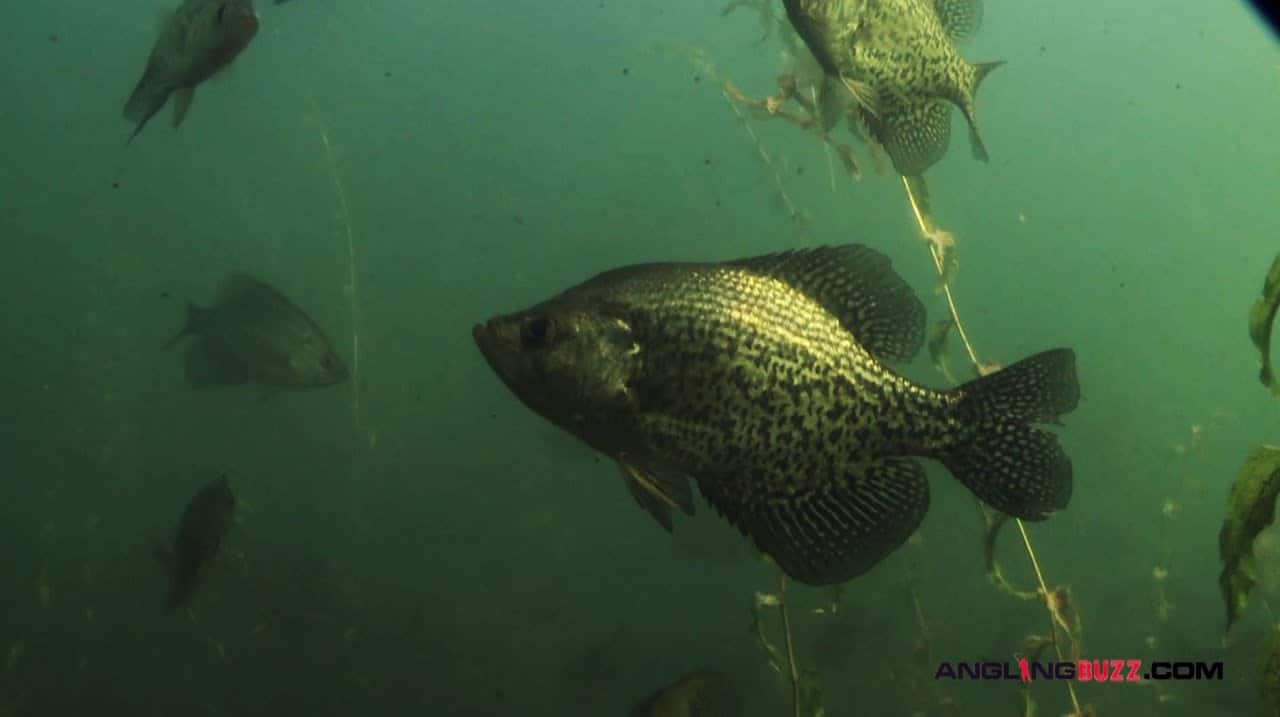

Top 3 Crappie Spawning Areas
Channels, bays and shallow main-lake areas with the right depth and bottom content all host crappie spawning–yet at different times. Follow the progression of the spawn to locate the fish.
When it comes to early season crappie fishing, there are three main locations where crappies usually spawn in our northern natural lakes. Understanding these locations can greatly increase your chances of success. In this article, we will explore the top three crappie spawning areas and discuss effective techniques for catching them.
1. Back Channels
The first place that crappies go to spawn is the back channels. These areas warm up the quickest, making them an attractive spot for crappies to begin their spawning process. Back channels are typically shallow and provide the ideal conditions for crappies to lay their eggs. If you’re looking to target early season crappies, exploring the back channels of your local lake is a great place to start.
2. Shallow Backwaters
After the back channels, crappies move into the shallow backwaters. These areas are similar to the back channels in terms of temperature and depth, but they may warm up slightly later. Cr appies in the shallow backwaters may spawn about a month earlier than those in the main lake areas. These areas are often filled with vegetation and provide ample cover for crappies to lay their eggs. Fishing in the shallow backwaters can be productive during the early season, especially if you’re using the right baits and techniques.
3. Main Lake Areas
The last location where crappies spawn is the main lake area. These are the fish that will spawn last and are often found on main lake islands. The water in these areas takes longer to warm up, so the crappies here will typically spawn later than those in the back channels and shallow backwaters. If you’re targeting crappies in the main lake areas, it’s important to be patient and wait for the water temperature to rise before expecting to find spawning fish.
Now that we’ve discussed the three main crappie spawning areas, let’s talk about some effective techniques for catching them.
Horizontal Search Baits
Before you can catch pre-spawn crappies, you first need to find them. That’s why using horizontal search baits is a great strategy. These baits cover a lot of water and allow you to locate concentrations of crappies. Some top choices for horizontal search baits include mini crankbaits like the Rapala X-Rap Ultra Light Minnow, shad-style crank swim baits like the Storm 2-inch Swim Shad, and hair jigs like VMC’s Marabou Jig.
The speed of your retrieve will depend on the cover and water conditions. Experiment with different speeds to see what the crappies are willing to chase down. Once you’ve located a concentration of crappies, slowing down your retrieve and casting a VMC Hot Skirts Jig below a float can be a subtler option for tempting fussier fish to bite.
Using Crankbaits
Crankbaits can be highly effective for catching pre-spawn crappies. In the transcript, the angler mentions using a little Rapala finesse sinking crankbait and having success on the first cast. This is a great example of how effective crankbaits can be in triggering bites from crappies.
When using crankbaits, it’s important to consider the depth at which the crappies are holding. In deeper water, like the area the angler is fishing in the transcript, counting down the crankbait for a few seconds before starting the retrieve can help get the bait in the strike zone. The angler in the transcript counts down the crankbait for about four seconds to reach a depth of four feet.
Another important factor to consider when using crankbaits is the speed of the retrieve. The angler in the transcript mentions doing a slower retrieve with the crankbait, which proved successful in enticing a bite from a crappie. Adjusting the speed of the retrieve based on the mood of the fish can make a big difference in getting them to bite.
Fishing with Performance Braid
The angler in the transcript also mentions fishing with performance braid, specifically 8:32 Ghost. Using braided line can be advantageous when fishing with crankbaits because it allows for better sensitivity and control of the bait. The angler mentions being able to feel the crankbait transmitting through the line, which can help detect subtle strikes and make adjustments to the retrieve as needed.
Conclusion
Early season crappie fishing can be incredibly rewarding, but it requires an understanding of where crappies spawn and effective techniques for catching them. By targeting the back channels, shallow backwaters, and main lake areas, you can increase your chances of finding spawning crappies. Using horizontal search baits like mini crankbaits, swimbaits, and hair jigs can help you locate concentrations of crappies.