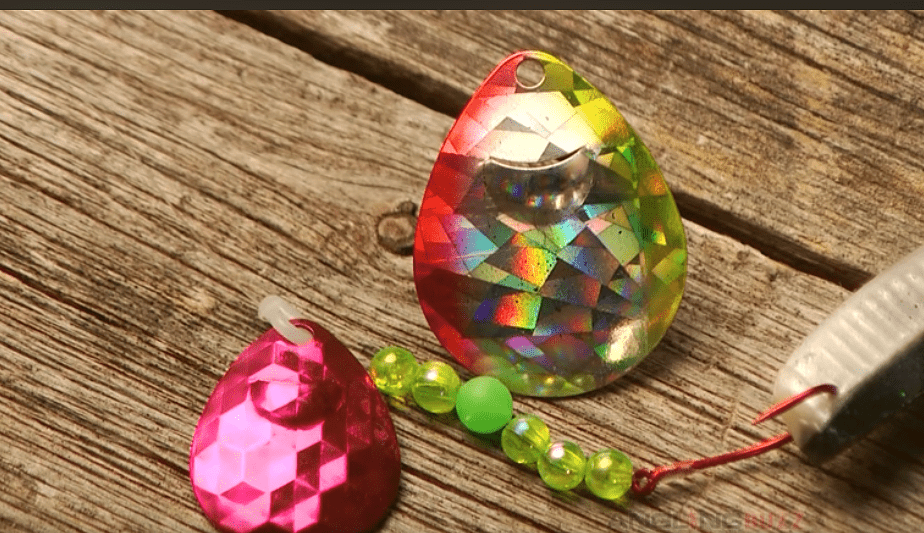
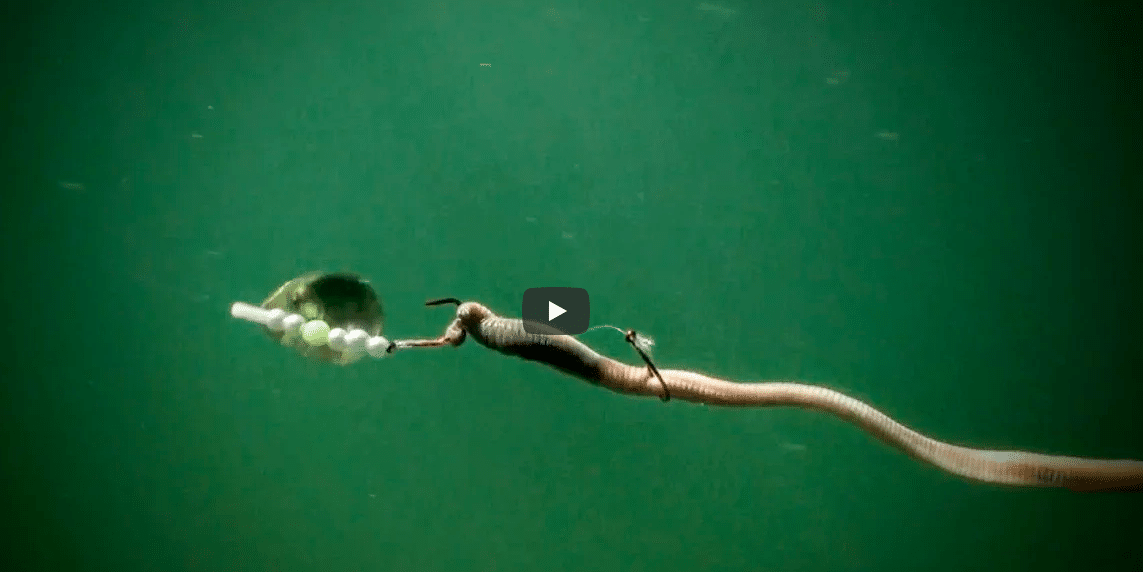
As pre-summer conditions build to a feeding peak, walleyes begin schooling and feeding on newly-hatched insects and baitfish reaching edible size. Water temperatures in the mid-60ºs F are great for jigging, rigging and cranking.
Introduction
In this article, we will discuss walleye fishing and how to take advantage of the walleye pre-summer feeding peak. Walleyes are known to be finicky and not as aggressive as other fish species like northern pike or smallmouth bass.
However, understanding walleye behavior and their feeding patterns can greatly increase your chances of success on the water. We will explore the best time to fish for walleye and provide tips to help you catch more of these elusive fish.
The Second Walleye Peak
Currently, the water temperature is around 63 degrees, which is still ideal for walleye fishing. We are experiencing what is known as the second walleye peak. The first peak occurs during the pre-spawn period, usually in rivers or shallow areas of big lakes.
During this time, walleyes are confined to specific areas and are more aggressive in colder water.
The second walleye peak, which we are currently in , occurs after the spawn. The fish have finished spawning and are now in the post-spawn phase.
During this time, the walleyes are not yet set up for their summer movement, so they can be found in various locations throughout the water. They may be deeper or shallower, and they may be in newly developed weed beds or other unstructured areas.
Feeding Behavior
One of the key factors during the second walleye peak is that the overall population of catchable fish is feeding. The forage base, such as small perch and minnows, is still relatively small, making the walleyes hungry and eager to bite.
This presents a great opportunity for anglers to capitalize on the walleye feeding frenzy.
Shallow Water Fishing
Contrary to popular belief, walleyes can often be found in shallow water, especially during the right conditions. In many bodies of water, some of the biggest walleyes are actually shallow fish. The deeper you go, the smaller the numbers of big fish become.
So, when the conditions are right, it’s worth exploring shallow areas for walleye.
Perfect Conditions for Shallow Water Fishing
Currently, we have perfect conditions for shallow water walleye fishing. The overcast sky and the presence of a storm in the distance create ideal lighting conditions for walleyes to feel comfortable in shallow water. Additionally, the water is slightly yellow, indicating the presence of tiny shallow rocks and weeds, which are prime feeding areas for walleyes.
Tips for Success
To increase your chances of success during the second walleye peak, here are some tips to keep in mind:
- Time of Day: Walleyes are most active during low-light periods, such as early morning or late evening. Plan your fishing trips accordingly to maximize your chances of catching walleye.
- Bait Selection: Use bait that closely resembles the natural forage in the area, such as small perch or minnows. This will increase the likelihood of enticing a bite from a hungry walleye.
- Fishing Techniques: Experiment with different fishing techniques, such as jigging or trolling, to see what works best for the walleyes in your area. Pay attention to the depth at which the fish are biting and adjust your presentation accordingly.
- Location: Look for areas with structure, such as rocks, weeds, or drop-offs, as these are often prime feeding areas for walleyes. Use a fish finder or consult local fishing reports to help you locate these hotspots.
- Patience: Walleyes can be finicky and may require some patience to catch. Be persistent and try different spots and techniques until you find what works.
Conclusion
In conclusion, understanding the behavior and feeding patterns of walleyes can greatly increase your success as an angler. The second walleye peak, which occurs after the spawn, presents a great opportunity to catch these elusive fish.
By fishing during low-light periods, using bait that mimics the natural forage, and targeting areas with structure, you can increase your chances of landing a trophy walleye. So, grab your gear and head out on the water to take advantage of the walleye feeding frenzy!