
After a long northern winter, few things get anglers more excited than the first stretch of open water. Ice-out marks a unique window where bass, walleyes, and other species are shallow, aggressive, and vulnerable to the right presentations. Preparing now, before the ice disappears, can make the difference between a slow opener and one of your best spring seasons ever.
Early spring fishing isn’t about overcomplicating things. It’s about understanding fish behavior, choosing versatile baits, and using techniques to quickly locate fish before dialing in more precise presentations.
Why Horizontal Presentations Work So Well in Early Spring
A common misconception is that cold water always means slow, bottom-dragging presentations. In reality, early spring fish are often willing to move, especially when a bait crosses their path horizontally.
During pre-spawn and immediate post-ice-out periods, fish are scattered across flats, shallow bays, and transition areas rather than locked into tight structure. Horizontal presentations allow anglers to:
- Cover water efficiently
- Trigger reaction bites from neutral fish
- Locate active fish faster than vertical techniques
Casting and retrieving moving baits lets you search large areas until you find where fish are staging, feeding, or migrating.
Lipless Crankbaits: The Ultimate Early-Season Search Tool
Lipless crankbaits are one of the most effective cold-water baits ever made, and they shine brightest in spring. Their tight vibration, ability to be fished at multiple depths, and versatility across species make them a staple from ice-out through pre-spawn.
Key reasons lipless crankbaits excel in spring:
- They imitate dying baitfish common in cold water
- They can be ripped through sparse vegetation
- They work for bass, walleyes, pike, and more
Whether fished with a lift-and-drop retrieve or a steady pull, lipless crankbaits are ideal for finding fish before slowing down.
Spinnerbaits & Bladed Jigs: When Thump Beats Flash
Cold water often calls for vibration over visual flash. That’s where spinnerbaits and bladed jigs shine, especially versions built around Colorado-style blades or heavy-thumping heads.
Compared to willow blades, Colorado blades produce:
- More vibration
- A slower, deeper running profile
- Better performance in stained or cold water
Bladed jigs offer similar benefits, combining vibration with a compact profile that fish can track easily. These baits are especially effective for spring bass and walleyes feeding in shallow, dark-bottom areas.
Jerkbaits That Trigger Neutral Fish
Jerkbaits remain one of the most reliable springtime producers for both bass and walleyes. Their ability to suspend, glide, and change direction mimics injured prey, exactly what cold-water predators are looking for.
One key lesson: how you work a jerkbait matters more than the bait itself.
Effective spring jerkbait tips include:
- Starting retrieves on slack line
- Using pull-pause cadences instead of aggressive snaps
- Letting the bait “hunt” and roll naturally
Subtle changes in cadence can turn good bait into incredible bait in early-season conditions.
Knowing When to Slow Down With Finesse Presentations
Once fish are located using moving baits, finesse techniques help convert followers into biters. Early spring finesse isn’t about fishing painfully slow. It’s about using subtle profiles with natural action.
Highly effective spring finesse options include:
- Ned rigs
- Tubes (especially weedless internal jig rigs)
- Minimal-action soft plastics
These baits excel when fish are pressured, transitioning, or unwilling to fully commit to reaction lures. Often, the simplest and “ugliest” baits are the most effective.
Building a Versatile Spring Multi-Species Setup
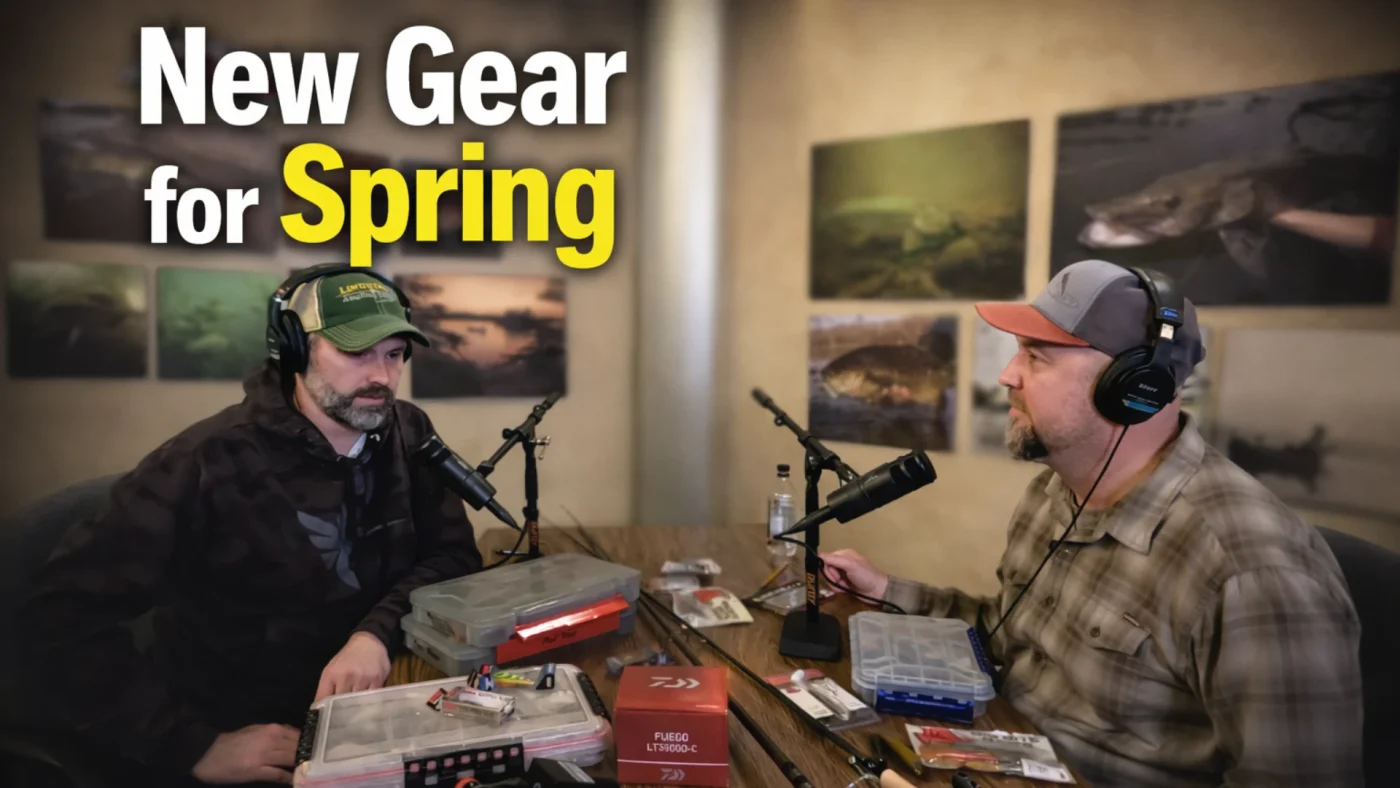
Spring fishing demands adaptability. Instead of carrying multiple technique-specific setups, many anglers benefit from building versatile rod and reel systems that handle a wide range of presentations.
Key spring gear considerations:
- Medium-power rods for moving baits and jerkbaits
- Fiberglass or composite rods for treble-hook lures
- Slightly larger spinning reels for better line management and durability
Modern materials have made larger reels lighter and smoother than ever, giving anglers improved drag performance and control without sacrificing balance.
Keep It Simple and Fish Confident
Spring fishing is one of the most exciting times of the year, but it doesn’t require complicated gear or techniques. By focusing on horizontal presentations, using proven multi-species baits, and slowing down only when needed, anglers can maximize their success during the ice-out window.
Prepare now, keep your approach simple, and fish with confidence when the ice finally gives way.