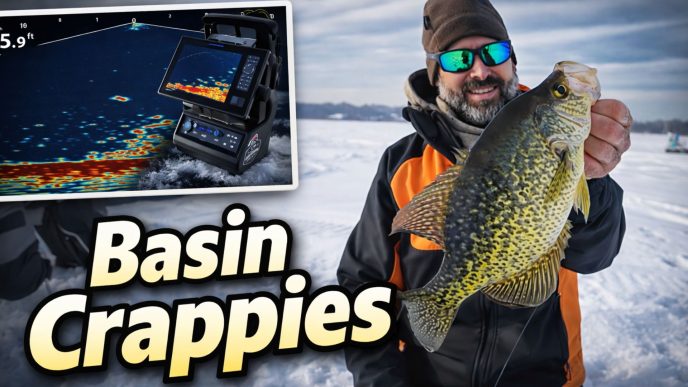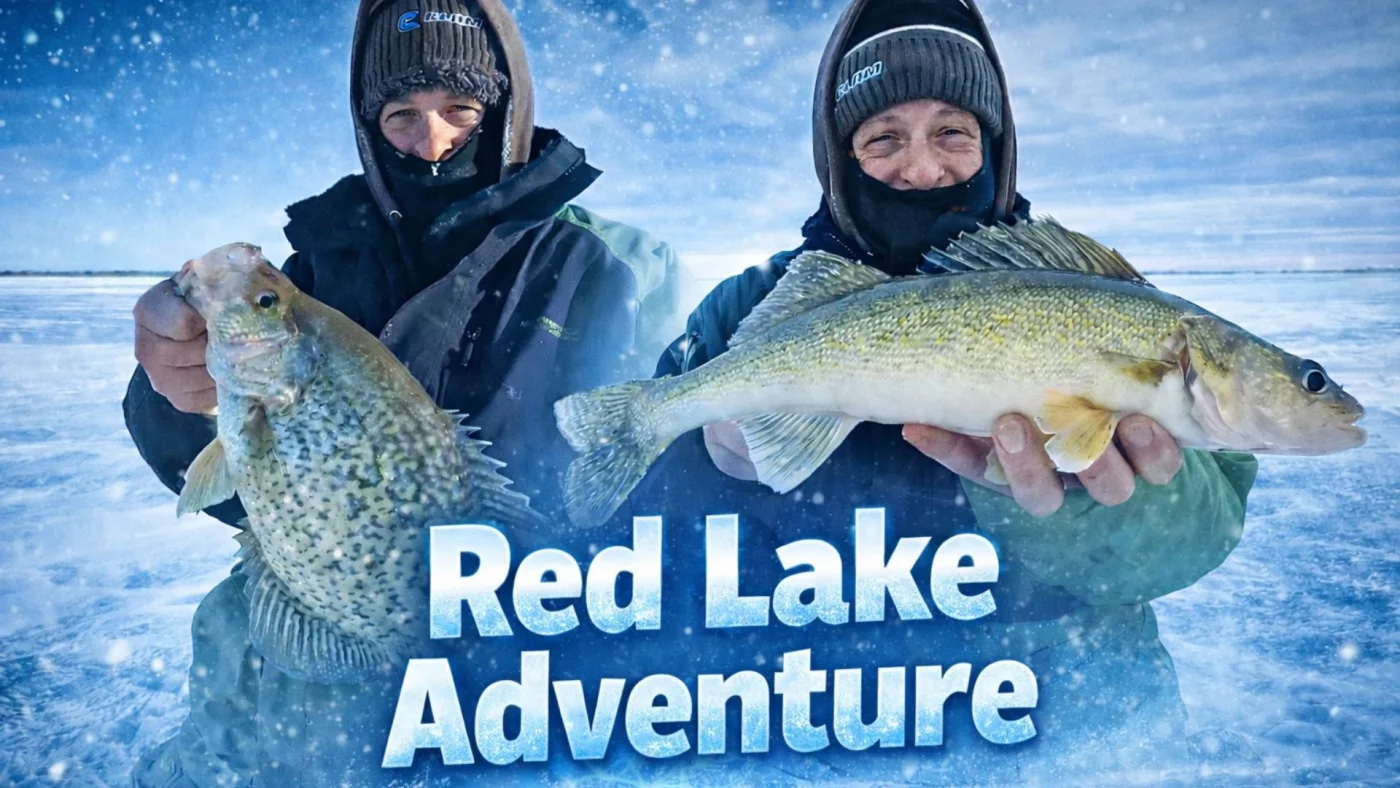

Red Lake has earned a reputation as one of the Midwest’s most consistent ice fishing destinations, but success there isn’t accidental. While the lake looks flat and featureless on the surface, anglers who understand subtle structure, fish behavior, and how to use modern electronics can dramatically increase their catch rates. This breakdown focuses on how to locate roaming schools of crappies and walleyes using Red Lake strategies and Humminbird Mega Live 2, turning time on the ice into repeatable success.
Why Red Lake Rewards Mobile Ice Anglers
Red Lake is often described as a “bowl,” but that description can be misleading. While dramatic structure is limited, fish still relate to subtle bottom changes, transitions, and travel lanes. Walleyes and crappies roam constantly, and anglers who sit still too long often miss peak feeding windows.
Mobility is critical. Instead of drilling a few holes and waiting, the most effective approach is to cover water, scan first, and fish only when fish are confirmed in the area.
Finding Hidden Structure in a “Flat” Basin
Even small depth changes matter on Red Lake. Many productive areas are found where harder bottom transitions into softer basin areas, often in the 10–13 foot range. These transition zones act as natural highways for roaming fish.
Rather than focusing on obvious spots, anglers should work parallel to subtle points and edges, watching for areas that consistently hold fish. These locations often reload throughout the day as schools move through.
Using Mega Live 2 to Find Fish Before You Fish
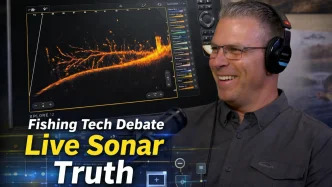
Forward-facing sonar has changed how anglers approach Red Lake. Instead of drilling blindly, anglers can scan 50–70 feet in every direction before committing to a spot.
A reliable rule of thumb is simple: if you’re seeing five to eight walleyes or a defined crappie school cruising an area, it’s worth fishing. If not, keep moving. Drilling multiple holes and letting the area settle before fishing helps prevent spooking fish and increases the chances of a hookup.
Telling Crappies and Walleyes Apart on Live Imaging
Understanding what you’re seeing on the screen is just as important as seeing fish.
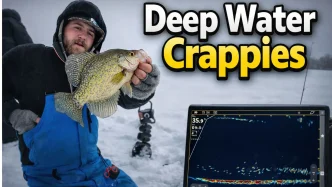
Crappies typically show up as tight, suspended groups, often holding two to four feet off the bottom. When they move, they move as a unit. Walleyes, on the other hand, stay much closer to the bottom, cruising individually or in small loose groups.
Learning these differences prevents wasted time chasing perch or baitfish and helps anglers match presentations to the species they’re targeting.
Staying on Fish: When to Move and When to Set Up
Red Lake fish rarely stay put for long. The key is patience paired with decisiveness. If fish remain in an area for several minutes and respond to lures, it’s time to settle in. If they slide away or won’t commit, move again.
Successful anglers often jump 200–400 yards at a time, scanning until they intersect active fish. Once located, they “tighten the noose” by drilling a cluster of holes and fishing efficiently.
Lure Selection for Mixed Species Ice Fishing
Rattle spoons are excellent search baits on Red Lake. They get down quickly, call fish from a distance, and can trigger both walleyes and crappies. However, spoons don’t always maximize a crappie bite, especially when fish become selective.
That’s where plastics shine. Switching to soft plastics allows anglers to capitalize on neutral or pressured crappie schools without needing live bait. High-visibility colors consistently stand out in Red Lake’s water, helping draw attention in large schools.
Maximizing a Crappie School Once You Find It
When a large crappie school is located, efficiency matters. Staying vertical, minimizing hole hopping, and using plastics allows anglers to catch more fish before the school moves.
Crappies may slide under snow-covered ice or drift slightly off structure, requiring constant monitoring with live imaging. When the screen clears, it’s time to relocate and repeat the process.
A Repeatable Red Lake Ice Fishing Game Plan
Success on Red Lake comes from combining mobility, electronics, and observation:
- Scan first, fish second
- Look for transition zones in 10–13 feet
- Identify fish behavior on Mega Live 2
- Adjust lures based on species response
- Move quickly when fish won’t commit
This system turns a massive, intimidating lake into manageable water and dramatically increases odds of consistent action.
Learning the Lake, Not Just Catching Fish
Red Lake rewards anglers who pay attention to fish movement and behavior rather than relying on tradition alone. While electronics like Mega Live 2 make finding fish easier than ever, success still comes down to decisions made on the ice.
By staying mobile, reading sonar correctly, and adjusting tactics in real time, anglers can experience some of the best crappie and walleye ice fishing Red Lake has to offer, trip after trip!