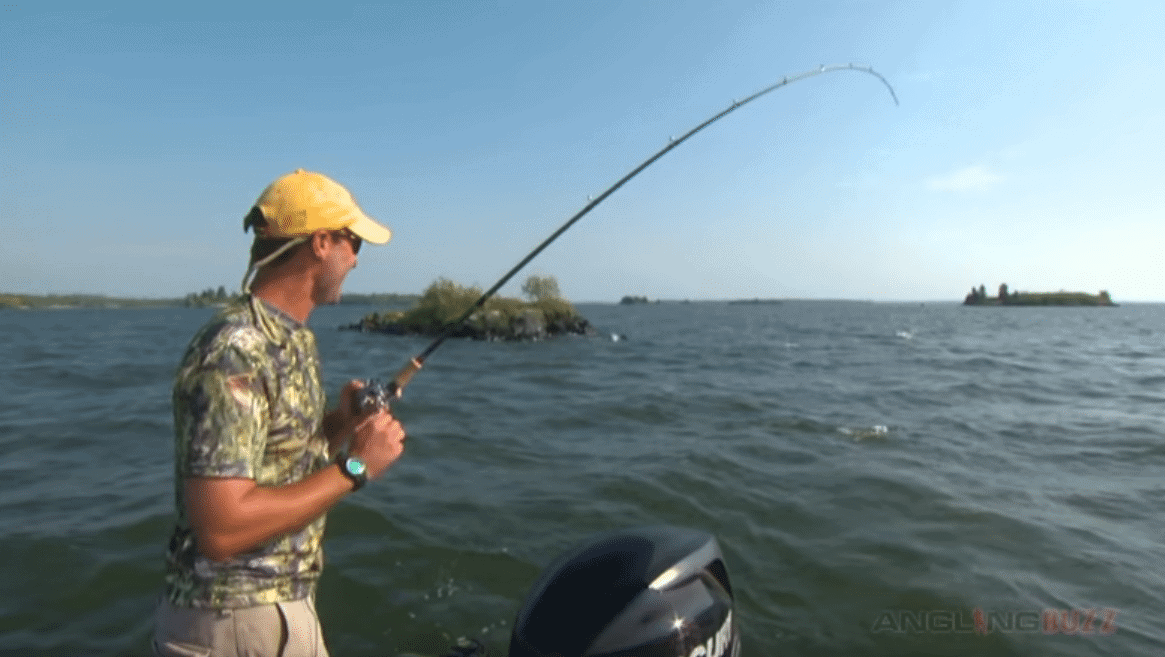
When it comes to natural fisheries, few places in North America stand out like Minnesota’s Leech Lake musky fishing. For those who fish muskies seriously, Leech Lake isn’t just a large, productive body of water — it’s the heart of one of the state’s most treasured muskie ecosystems.
A Personal Connection to Leech Lake Musky Fishing
For many, Leech Lake represents more than just another fishing trip. Jeremy Smith reflects that his first shared muskie outing happened on Leech Lake — a place that holds special significance for him. Growing up with a family cabin in the area, he’s spent a lifetime fishing these waters. That kind of long-term connection speaks to Leech’s enduring appeal.
From another perspective, as someone from out of state, Leech Lake still holds a magnetic pull. The reason? It’s all about the quality and character of the fishery. Leech Lake stands out as one of Minnesota’s top producers of naturally reproducing muskies. Alongside the Mississippi River system, Leech Lake forms part of a muskie angling mecca — a place where trophy-class fish reproduce and grow with minimal stocking intervention.
The Strength of the Leech Lake Musky Strain
One of the factors that make Leech Lake so unique is the strain of muskies that inhabit its waters. The Leech Lake strain is recognized not just within the state but among muskie anglers everywhere as a strain that grows large across many lakes in Minnesota. Unlike some fisheries where true giants are limited to just one or two systems — such as Wisconsin’s Green Bay fishery — Minnesota offers a range of options.
That wide distribution of trophy potential is directly tied to the genetics and adaptability of the Leech Lake muskie strain. As was noted in the conversation, “They get big just about everywhere,” highlighting how this isn’t a lake-specific phenomenon but a broader, statewide asset.

More Than One Option for Muskie Hunters
While Leech Lake is the headliner, what makes the area particularly appealing is the density of quality muskie lakes in close proximity. On days when weather conditions make Leech itself unfishable — strong winds or heavy blow days, for example — anglers have plenty of backup lakes within 30 minutes’ drive. Many of these smaller lakes hold fish that are just as large and just as wild as Leech Lake muskies.
For seasoned anglers, this flexibility adds real value. It’s not just about making the best of a bad weather day; it’s about having consistent opportunities to chase trophy fish, even when conditions aren’t perfect on the main lake.
The Beauty of the Fish and the Place
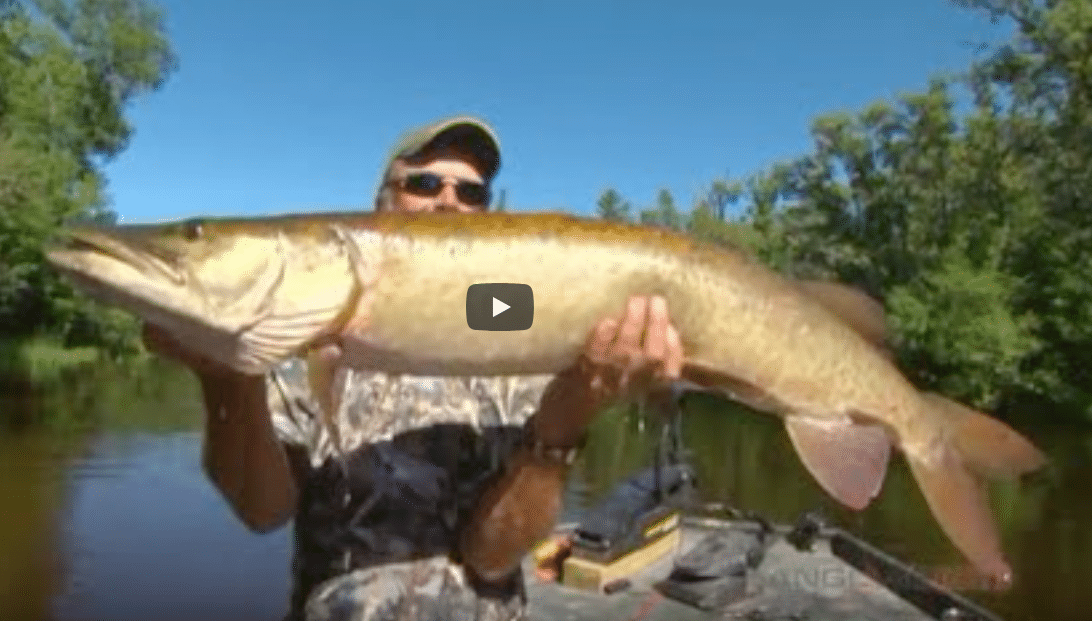
It’s not just the size of the muskies that makes Leech Lake special. The fish themselves — often referred to as “spotted leopards” due to their striking spotted patterns and red fins — are visually stunning. They stand out in both appearance and behavior, embodying the character of the Leech Lake ecosystem.
And beyond the fish, there’s the simple appeal of the place. While lakes like Vermilion offer a similar shield-water experience, there’s something about the variety and scale of Leech Lake that draws anglers back. Whether it’s the expansive main lake or the surrounding smaller systems, there’s a lot to appreciate — especially for those who value the mix of natural beauty and muskie hunting.
A Lasting Legacy for Muskie Anglers
Ultimately, Leech Lake represents more than a destination; it’s part of a tradition for many muskie anglers. Whether you’re a Minnesota local or traveling from out of state, the combination of naturally reproducing fish, high trophy potential, and a network of surrounding muskie lakes makes the area hard to beat.
As both participants in the conversation agreed: it’s a special place — one that continues to offer incredible muskie fishing opportunities for those willing to spend the time exploring its waters.