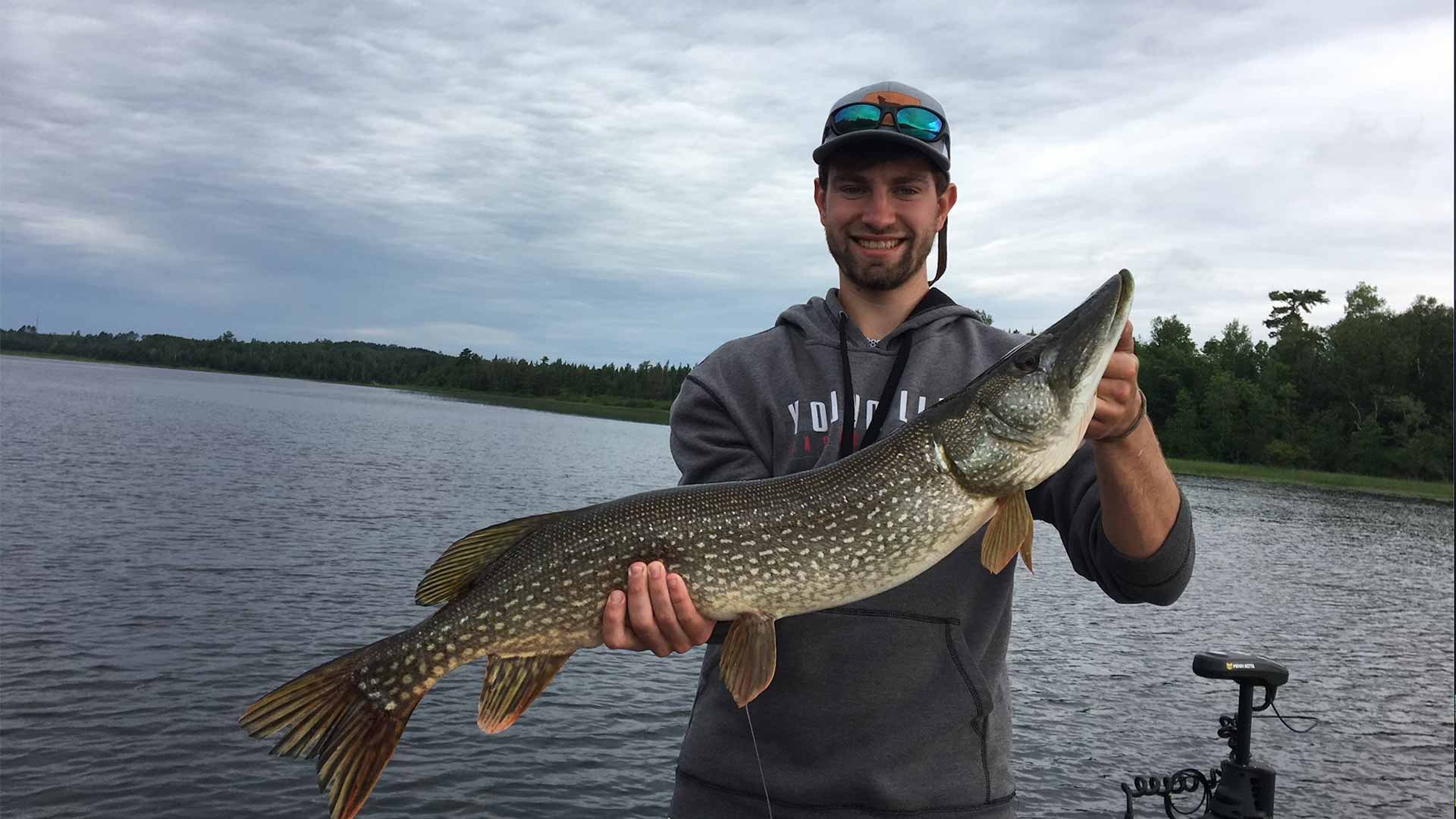
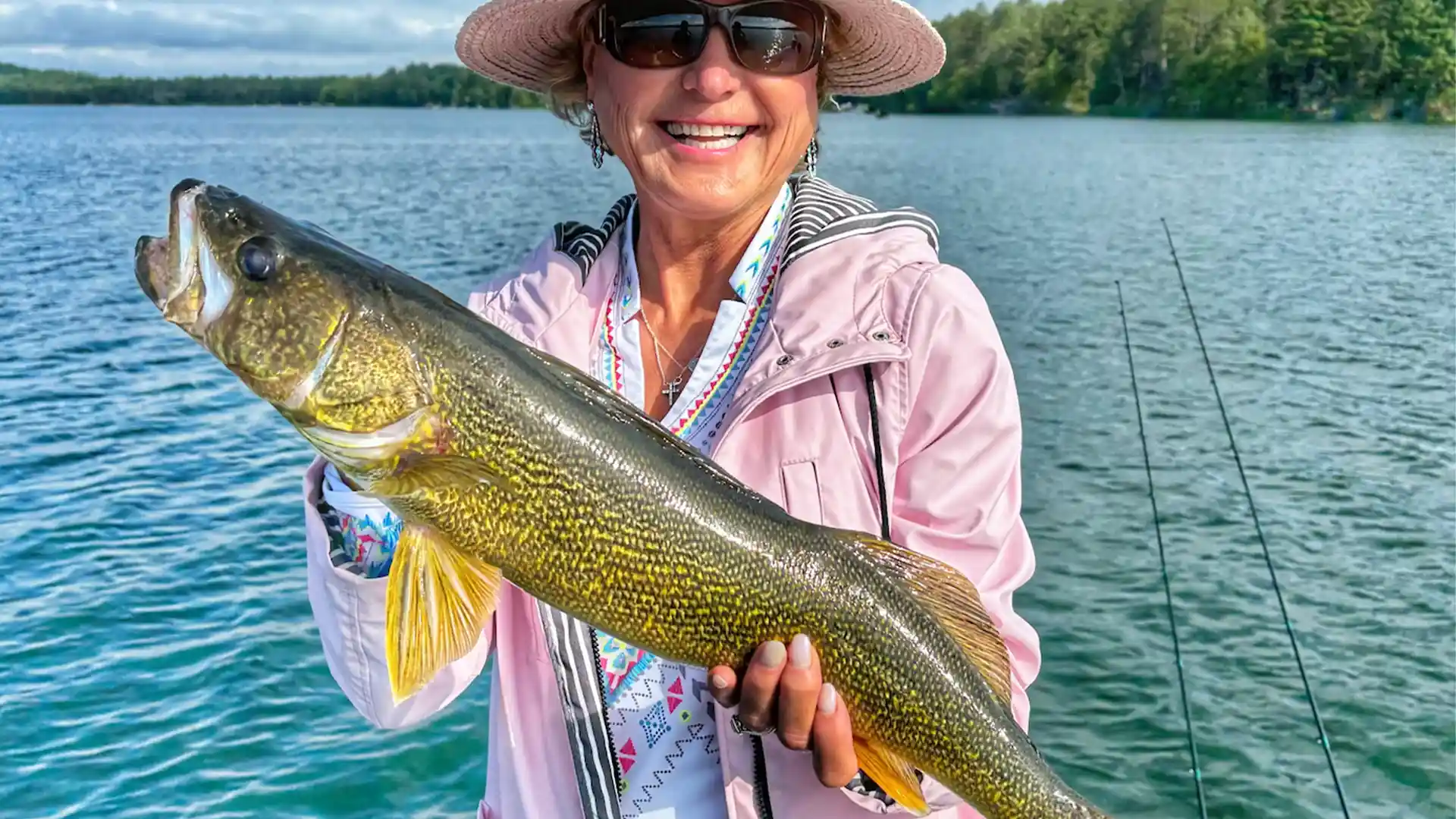
Minnesota fishing guide Matt Johnson of Matt Johnson Outdoors gives his latest Lake Minnetonka fishing report on July 16th, 2024.
Lake Minnetonka Fishing Report
The dog days of summer are here however fishing has remained good. Bass and a variety of other species have remained consistent and there are plenty of fish being caught.
Lake Minnetonka Fishing Report: Bass
This recent hot weather has pushed the water temperatures into the low eighties and the bass are loving it. The bite has been really good and the fish are really easy to pattern right now. A majority of our bass are being caught in twenty to twenty five feet of water along the deep weed line. Look for tall weed stalks coming up eight to ten feet. Some of the best spots have been the inside turns of sunken points. Other good areas include sunken humps, breaks in weediness, and hard bottom edges.
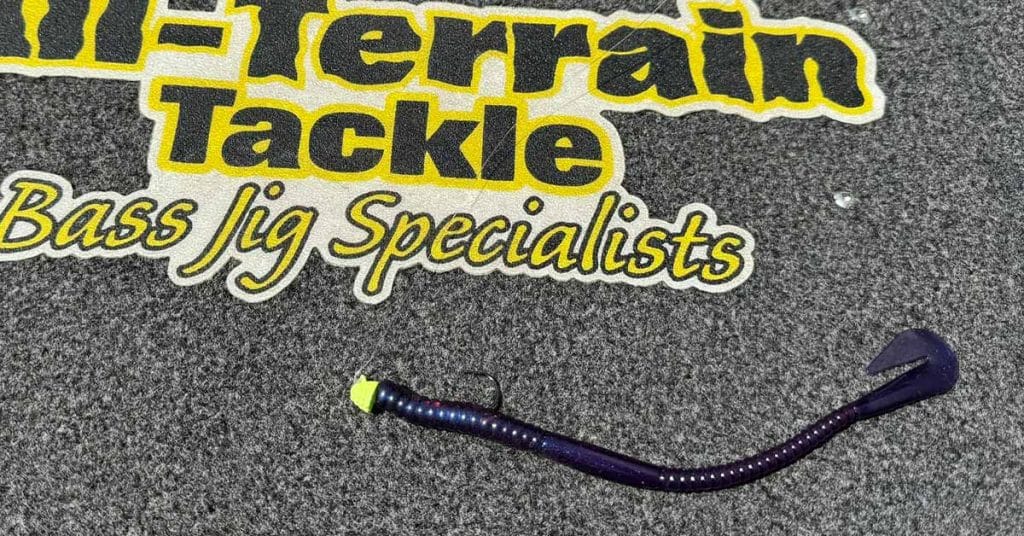
Baits:
Jig Worm: a giant trick worm on a jig head ha been the best producer
Football Jig: A 3/8-ounce or 1/2-ounce football jig in brown or green pumpkin dragged on the bottom has been very effective over the last week.
Ned Rig: A ned rig has still been killer and is catching lots of fish. A green pumpkin ned plastic and chartreuse jig head has been are best color combination.
Lake Minnetonka Fishing Report: Pike and Walleye
Northern pike are being caught with DT10s and DT16s in shad and perch colors off the deep weediness. This has also been an effective way to catch largemouth and is a nice way to get some multi speiceas action. Walleye are still being caught eight to fifteen of water. Those fish are really hugging the weed lines and are sitting in the weeds even more than the bass. Fishing slow has been the best way to trigger bites.

Lake Minnetonka Fishing Report: Panfish
The bluegill and crappie have been schooled up and are easy to find on electronics right now. The crappies have been super aggressive and the fishing is just as good as it is in the spring. Look for turns in the weediness, humps, or points. Similar to last week the fish are suspended in water deeper than ten feet up and can be found as deep as twenty-five feet. A majority of the time they are sitting high in the water column sometimes only four feet down. 2-D sonar and side imaging have worked great for locating these schools of crappies.