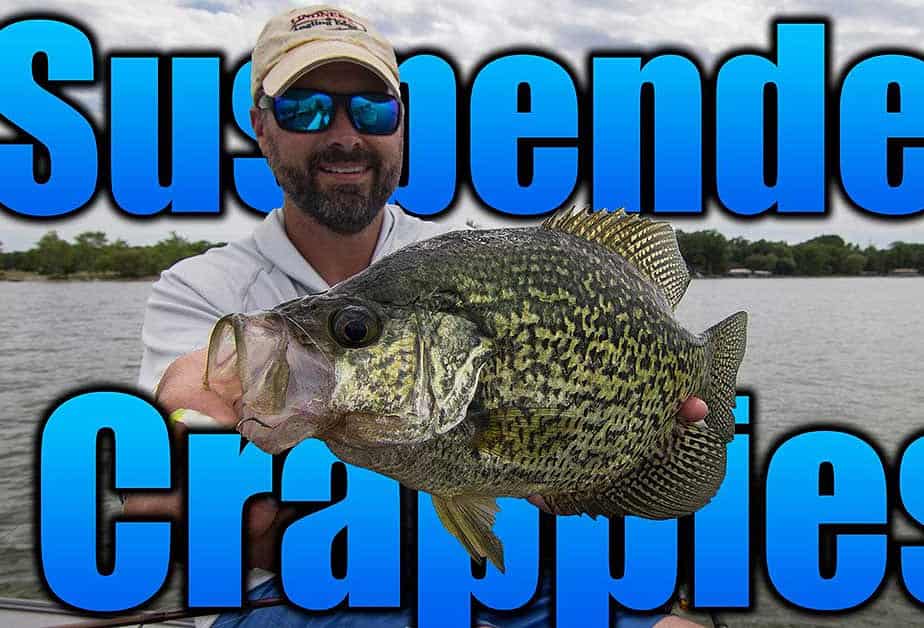
Jeremy Smith and Dan Lindner of Lindner’s Angling Edge break down how they go about finding summer crappies and bluegills on bottom transitions.
Finding Summer Crappies
On most of our Northern Minnesota lakes anglers tend to focus on the weed line drop-offs when targeting crappies throughout the summer. While the weed lines are bound to hold plenty of fish one area that often gets overlooked for panfish is hard to soft bottom transitions. Hard to soft bottom transitions have a tendency to congregate a lot of bluegills and crappies throughout the summer months and a majority of the time they see little to no fishing pressure.
While these areas can be difficult to see on a map they are really easy to identify with your electronics. Although it varies from lake to lake a good starting depth is typically between thirteen and twenty-five feet of water. Focus on areas that have a well established weed line with deep water access.
Electronics
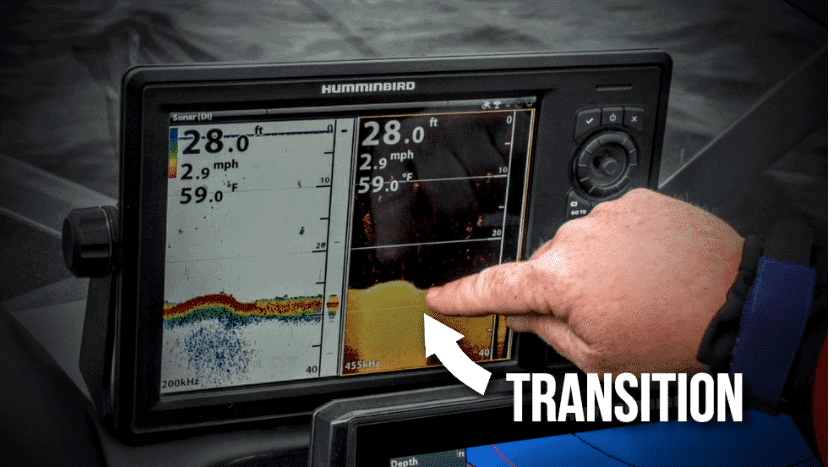
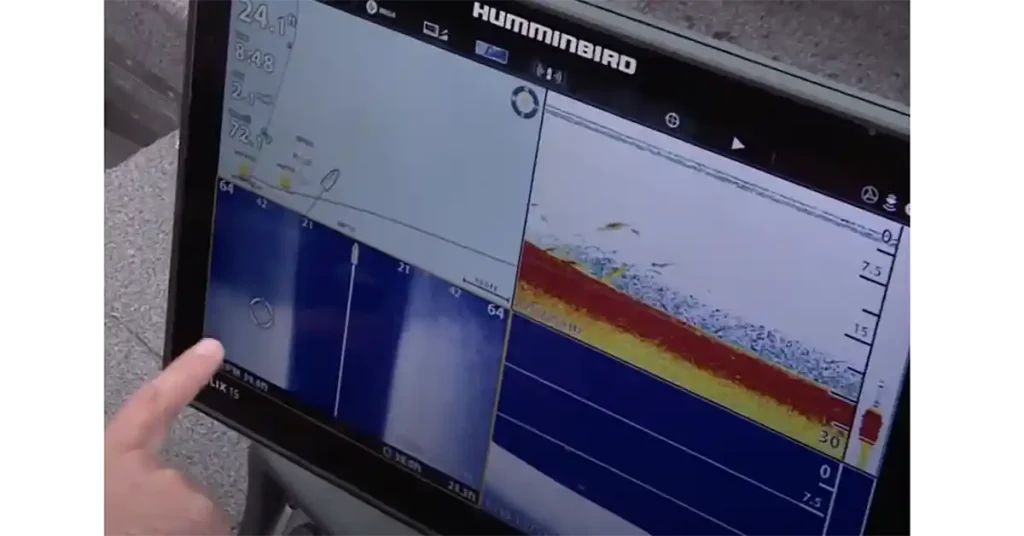
Utilizing your electronics is the biggest key to successfully finding summer crappies on bottom transitions. A combination of side imaging, 2D sonar, and forward facing sonar can and should be applied to locate these roaming schools of crappies and bluegills.
First and foremost you have to identify the hard to soft bottom transitions these fish are relating too. Crappies and bluegills will use hard to soft bottom transitions as a natural fish highway swimming along them searching for food like invertebrates and small batfish. On most lakes in the upper Midwest the hard to soft bottom transitions will consist of rock or sand transitioning into mud. The best way to locate these spots is by using Humminbird Mega Side Imaging. Side Imaging really highlights the transitions line these fish relate too and in most cases the crappies and bluegills will be within a couple feet of that line.
Once you have located the hard to soft bottom transitions and have identified a few fish, that’s when 2D sonar and forward facing sonar should come into play. Use them to position your boat in top of the fish. This will ensure you are consistently presenting your bait in front of the fish.
One thing to keep in mind is that these schools of panfish will work these hard to soft bottom transitions all summer long into the fall and winter months. These types of areas are spots that you can come back to consistently and find panfish.
Summer Crappie Baits
Most panfish anglers tend to gravitate towards small jigs and plastics for summertime panfish. While small jigs are incredible effective they tend to have a slow drop speed. When fishing the hard to soft bottom transitions you are typically fishing slightly deeper than you would on the weed line. Because you have to get your bait down to depth and it can be beneficial to use a heavier, larger profile bait. Another plus of using a larger bait is that it tends to select the larger fish in the school.
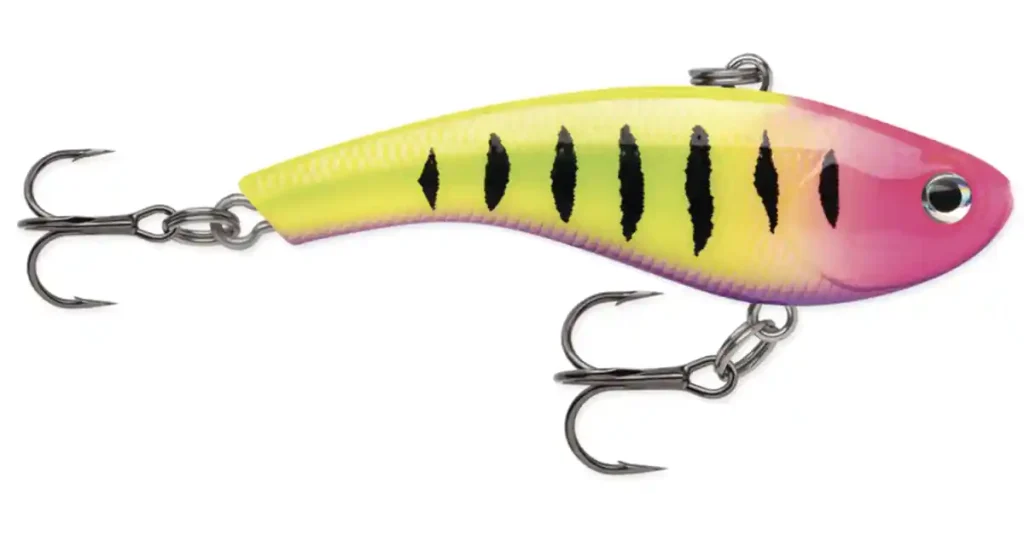
One larger profile bait that has shined in recent years for targeting big crappies and bluegills is the Rapala Slab Rap. This minnow profile bait searches in wide, erratic directions, circling back to center after pause. It also creates subtle vibration on rise and really calls in fish from a distance. It’s available in three sizes but the size four and five are best suited for panfish. The Rapala Slab Rap is a great option for finding summer crappies on hard to soft bottom transitions.
FAQ’s
1. What is the best bait for summer time crappies?
Small jigs paired with plastics, hair jigs, and the Rapala Slab Rap all work great for summer time crappies. They can all be fished are varying depth ranges and work great in all types of cover.
2. What pound line test should I use for summer crappies?
Most anglers prefer a 4-pound monofilament main line.
3. What are the best depths for finding summer crappies?
This depends on the lake but a good starting depth range would be between six and sixteen feet of water.
4. What is the best time during the day to catch summer crappies?
On most bodies of water crappies can be caught all throughout the day, however the best bite is typically in the evening during the last two hours of light.
5. What is the best color plastic for summer crappies.
Pink, white, and chartreuse are good summertime panfish colors.
Conclusion
Hard to soft bottom transitions have a tendency to congregate a lot of fish throughout the summer months and a majority of the time they see little to no fishing pressure. With the proper use of your electronics and a handful of lures you can have a great day on the water finding summer crappies in places most anglers don’t.