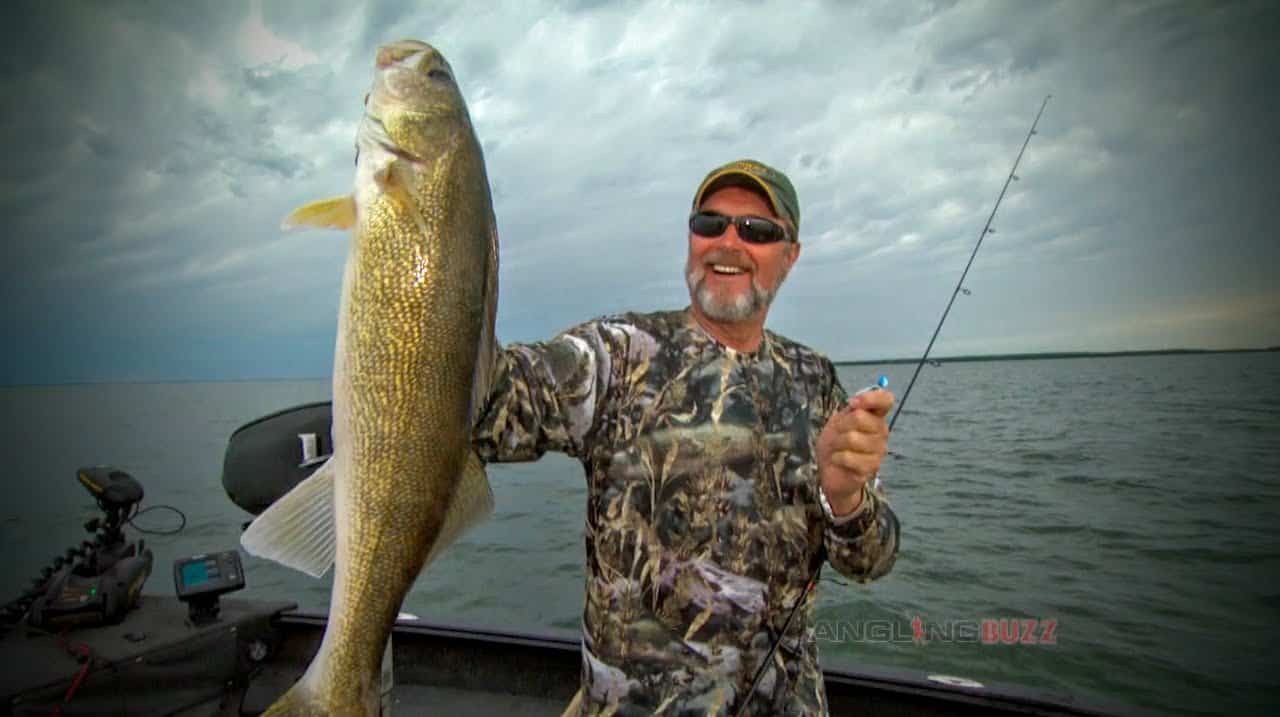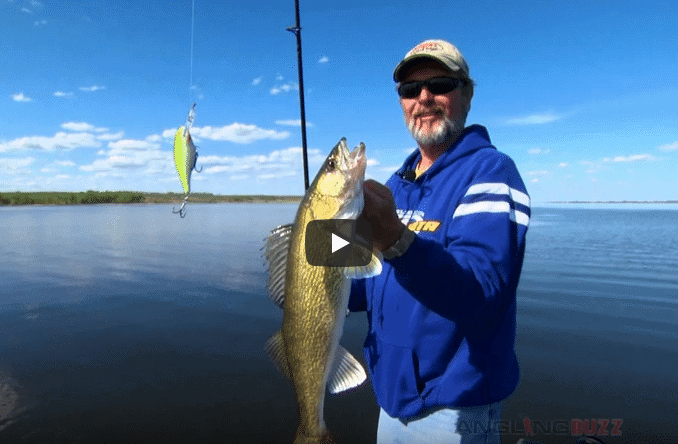
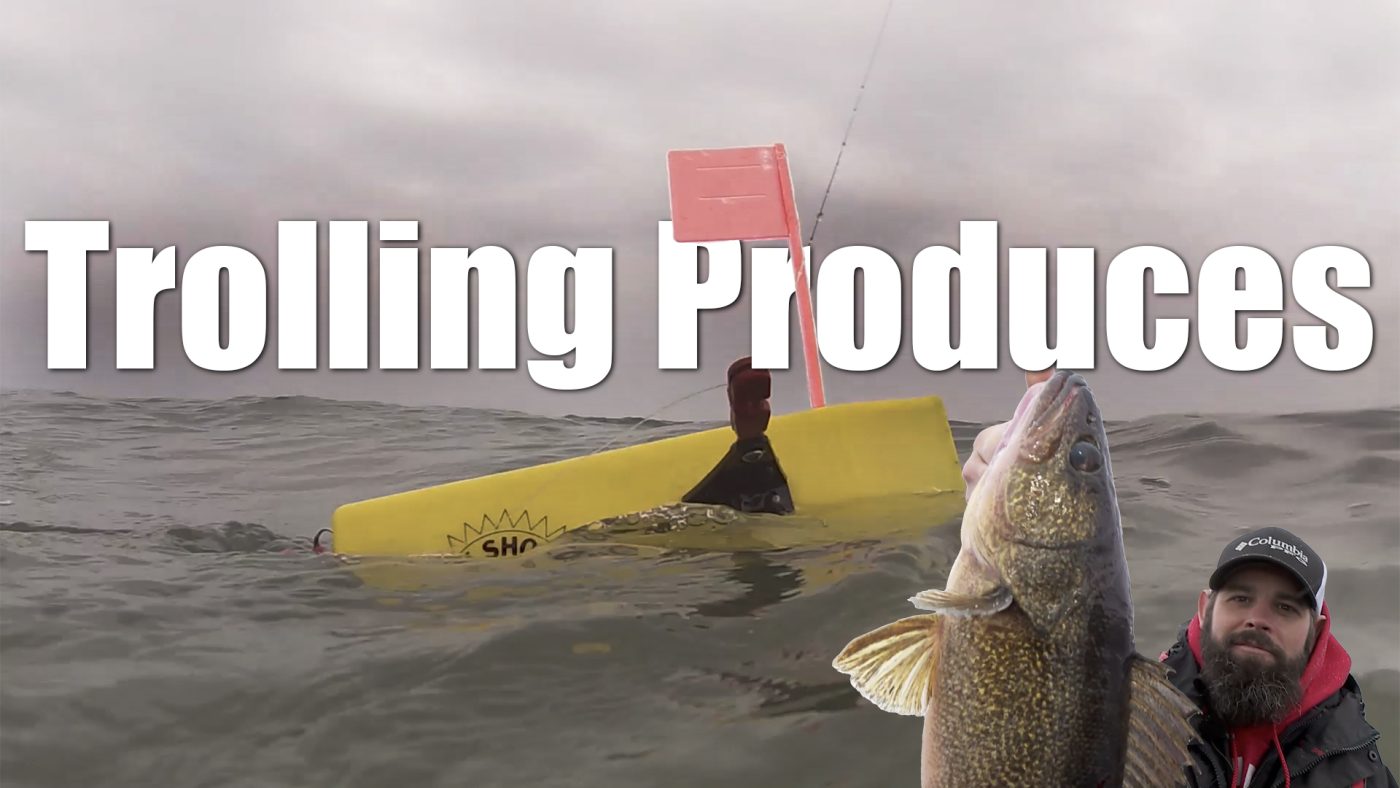

Trolling produces fish and tournament-winning results. It has long been a staple in many anglers’ toolkits, but in recent years, its effectiveness—particularly for walleyes in deep, expansive bodies of water—has gained popularity. As fishing tactics evolve with changing environments and technology, many traditional approaches are being replaced by more dynamic, open-water strategies. Here we explore the nuances of trolling, the technical elements that make it effective, and why it’s becoming a must-know skill for serious anglers.
Moving Beyond Vertical Fishing
In many regions, the days of fishing directly below the boat for walleyes appear to be fading. Anglers are increasingly finding that pulling baits over suspended or roaming fish—especially in expansive lakes—is yielding better results. Trolling produces, plain and simple! The success of these tactics depends largely on being stealthy and efficient in how you present lures across broad areas of water.
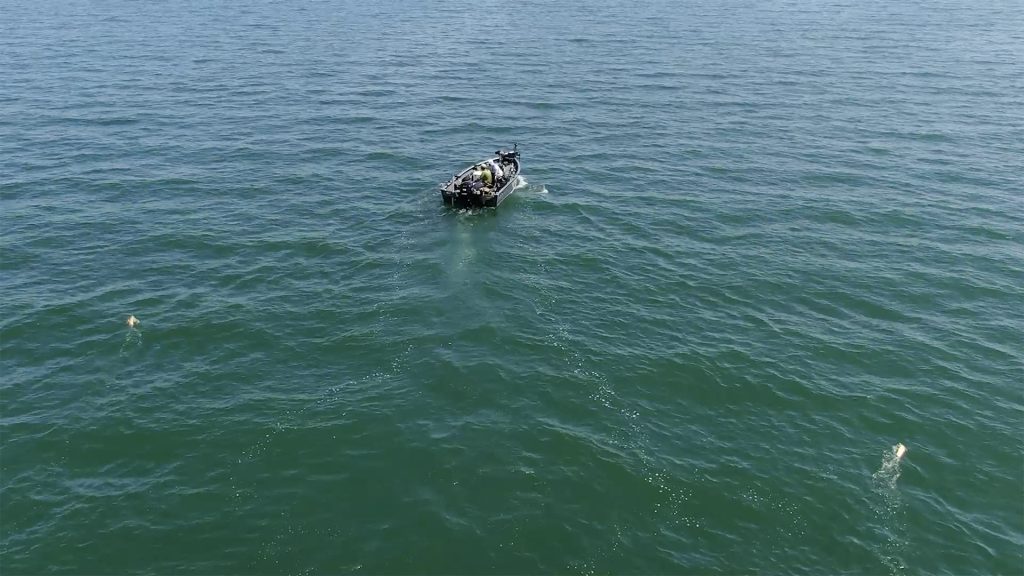
While vertical jigging and stationary presentations still have a place in certain scenarios, covering ground with trolling techniques like leadcore line, snap weights, and downriggers has become vital. For example, on Minnesota’s Lake Vermilion, leadcore trolling and snap weight applications have produced impressive results. Even boats rigged with downriggers—typically seen on larger waters like the Great Lakes or Lake of the Woods—have found success here, showing just how versatile trolling can be.
“Mowing the Grass” on Deep Structures
One main reason trolling produces is because it allows anglers to efficiently “mow the grass,” a term used to describe combing through large, deep areas such as mud flats or offshore sandbars. These are classic summertime walleye haunts, and trolling over them at the right speed and depth can unlock consistent action.
A key factor in the success of trolling in these situations is water clarity. In darker-stained lakes, fish are often more responsive to crankbaits during daylight hours—even at high sun — which isn’t always the case in clearer waters. In many stained systems, it’s possible to trigger bites using crankbaits and other trolling presentations right in the middle of the day, which offers more flexibility and productivity than traditional low-light tactics.
Technical Aspects of Trolling
One of the most appealing parts of trolling—especially for technically minded anglers—is the level of control and customization involved. It’s not just about letting line out and waiting. Snap weights, leadcore line, downriggers, and even copper line setups each bring unique properties to the presentation. Each method interacts differently with water resistance, trolling speed, lure buoyancy, and depth control.
Snap weights, for instance, allow quick on-the-fly changes to depth and are commonly used in lake trout fishing, with weights ranging from a few ounces to over a pound. Each adjustment affects lure action and sink rate, and understanding those subtleties takes time and practice.
When you expand into Great Lakes-style trolling, things become even more complex. Copper line offers different sink rates than leadcore, and many setups include planer boards to spread lines horizontally and cover more water. The board dynamics, combined with variable line types and multiple rod spreads, make trolling a deep rabbit hole for anglers who love to dial in their craft.
The Pursuit of Mastery
For those drawn to technical challenges, trolling represents an exciting frontier in fishing. Many top tournament anglers built their reputations—and earned major wins—through expert-level trolling produces techniques. The best in the game have developed systems that allow them to adapt quickly, hit precise depths, and run multiple presentations simultaneously.
While some may see trolling as a less interactive form of fishing, the reality is that it’s a cerebral game of precision, pattern recognition, and constant adjustment. The anglers who excel at trolling are those who take the time to understand the systems behind it, from line counter reels to hydrodynamics.
As Hays put it: “I wish I was better at it. I want to master it. I think it’s super cool.” That mindset—of constant learning and respect for the technical side of fishing—is what makes trolling not just effective, but rewarding.
Whether you’re chasing walleyes on Vermilion or targeting salmon in the Great Lakes, mastering trolling can open up a whole new world of opportunity on the water.