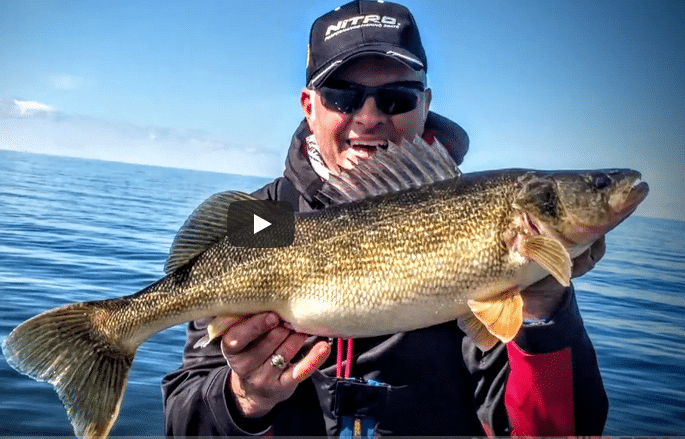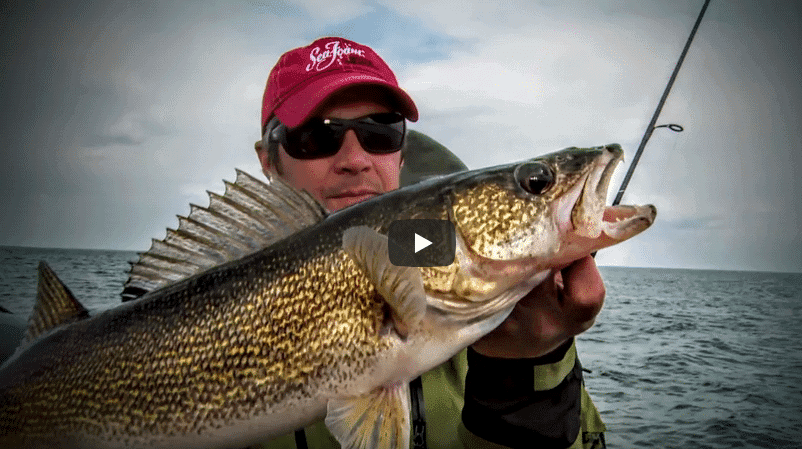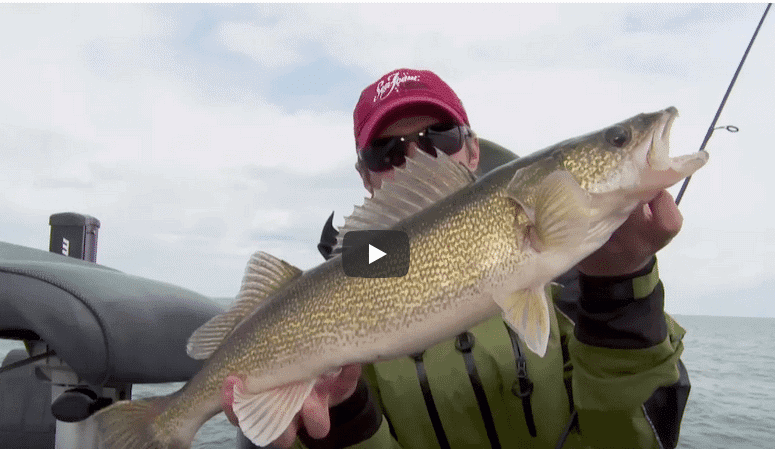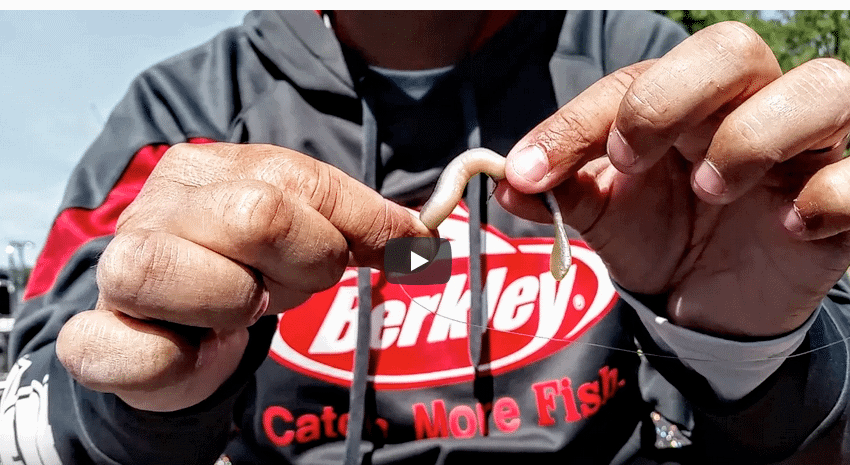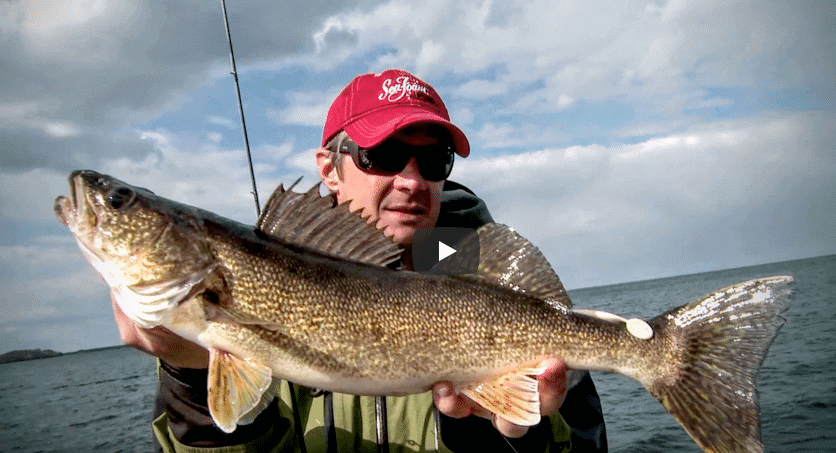

During the transition from spawn to postspawn, the most aggressive walleyes begin keying in on emerging forage opportunities. Nearby areas with shiners or perch often draw the most active biters.
Spawn/Postspawn Walleye Locations
In this article, we will discuss the importance of water temperature and wind conditions in determining the location and activity level of walleye during the spawn/postspawn period. We will also explore a commonly overlooked location for targeting postspawn walleye and the effective techniques for catching them.
The Impact of Water Temperature and Wind
On large lakes, even a few degrees of water temperature increase can significantly affect the behavior and location of walleye. The wind plays a crucial role in this process as well. In the video, we see how the wind pushes the water into a specific corner of the lake, resulting in a rise in water temperature. This temperature change causes baitfish to move towards that area, attracting walleye.
Overlooked Location for Postspawn Walleye
The location where the video takes place is often overlooked by fishermen. Many walleye anglers tend to focus on fishing structure and rocks. However, during the post spawn period, the big female walleye are not necessarily relating to structure. Instead, they are found in structureless areas, such as weed beds and warm-up flats. These areas serve as rearing grounds for baitfish, particularly perch, which the walleye feed on. Additionally, the presence of a creek flowing into the area further enhances its attractiveness to walleye.
Effective Techniques for Catching Postspawn Walleye
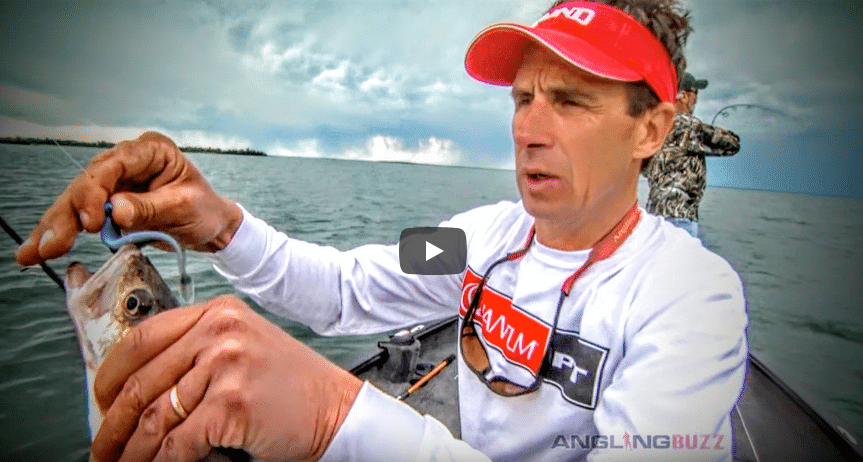
To successfully target postspawn walleye in these overlooked locations, the anglers in the video are using a subtle presentation with jigs. They are using jigs with a sticky bottom, such as those with a gravel or rock texture, to mimic the natural habitat of the walleye. By feeling the bottom with their rods, they can detect the presence of structure and adjust their fishing technique accordingly.
The anglers also mention the use of hot skirts, which have been effective in enticing the walleye to bite. The hot skirts are likely brightly colored jigs or spinnerbaits that create a lot of movement and vibration in the water, attracting the attention of the walleye. It’s important to note that different techniques may work better depending on the specific conditions and preferences of the fish.
Conclusion
Understanding the impact of water temperature and wind conditions on walleye behavior is crucial for successful fishing during the spawn/postspawn period. While many anglers focus on fishing structure, the overlooked locations, such as weed beds and warm-up flats, can hold a significant number of postspawn walleye. By using subtle presentations with jigs and incorporating effective techniques like hot skirts, anglers can increase their chances of catching these elusive fish.
So, the next time you’re out on the water, don’t overlook these structureless areas. They may just hold the key to landing that trophy postspawn walleye.