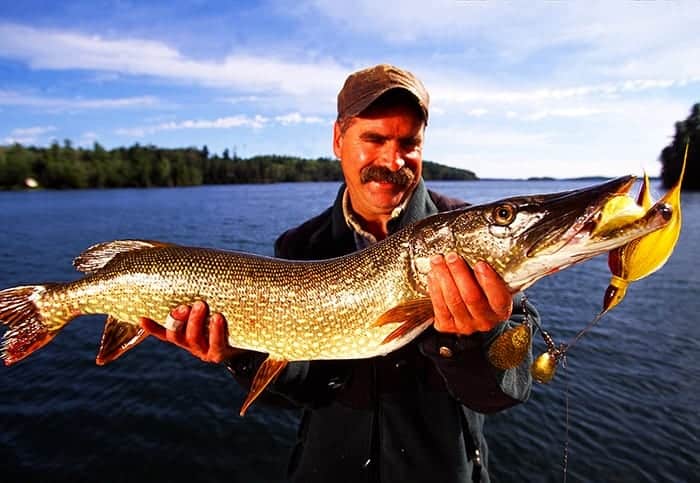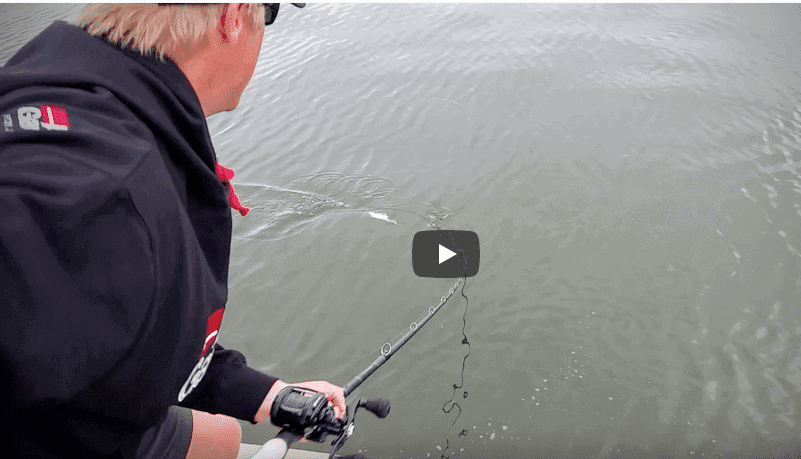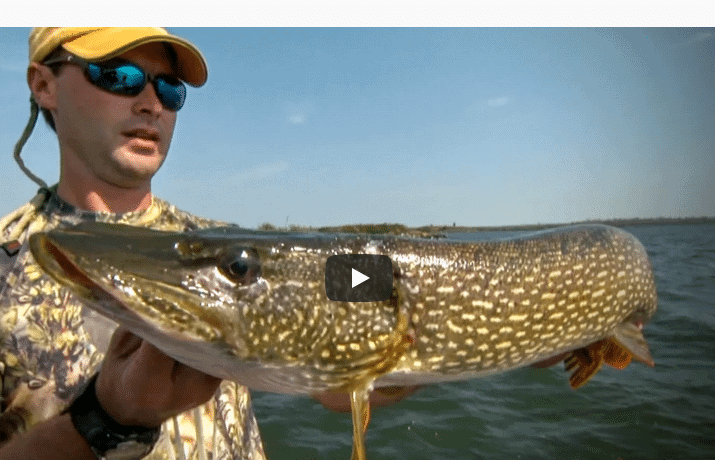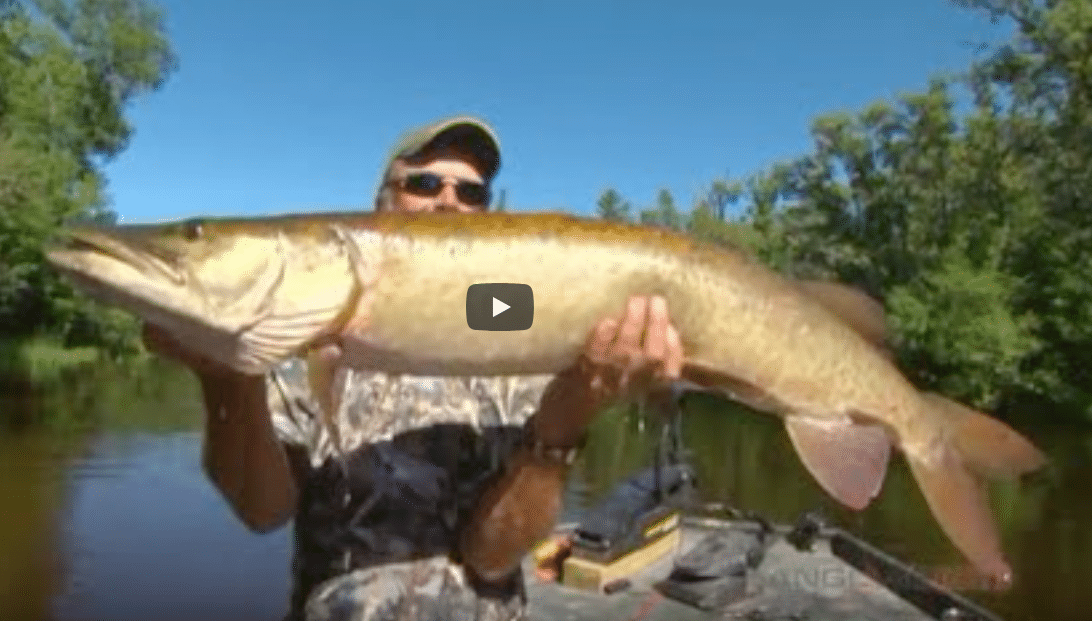

Topwater lures move slowly across the surface, kicking up a ruckus that attracts and infuriates a musky. They allow big fish plenty of time to zero in on, follow and eventually strike the bait.
Topwater Tactics for River Musky
In this article, we will explore the exciting world of topwater fishing for musky in rivers. Musky fishing is an adventure like no other, and using topwater lures adds an extra level of thrill to the experience. Join me as we dive into the tactics and techniques for targeting these elusive predators in the river.
The Perfect Conditions
Jeremy, my fishing buddy, recently came into my office with an exciting proposition – let’s go musky fishing! The conditions were perfect for a successful outing: bright sky, sunny weather, and no wind. Contrary to popular belief, fishing in the middle of the day can be ideal for musky, especially when using topwater lures. Jeremy assured me that we were in for a memorable adventure, and I trusted his expertise.
The Adventure Begins
As we set out on our musky fishing expedition, we were filled with anticipation. Little did we know that we were about to encounter some of the most thrilling moments on the water. Our first catch of the day was a magnificent musky that Jeremy expertly reeled in. The sight of that beautiful fish was enough to get our adrenaline pumping.
Navigating the River
One of the challenges of river fishing is the abundance of cover and structure. Musky love to hide in these areas, making it essential to have the right approach.
Jeremy suggested using topwater lures to entice the musky to strike. He explained that topwaters have a unique sound and create large visual and audio cues that trigger the curiosity of muskies. This is especially effective in mid-summer when muskies are more likely to feed on top.
Choosing the Right Topwater Lure
The productivity of a topwater lure is often dependent on the habitat and cover in the river. As a general rule, the denser the cover, the slower and louder the bait should be. In contrast, sparse cover calls for a faster and quieter bait.
For example, if a musky is positioned in wood cover, a fast-moving bucktail may not elicit a response unless the fish is close to the outside and actively feeding. A slower and louder topwater lure, like the Rapala ex walk, can call fish from cover and remain in the strike zone for a longer period of time.
The Thrill of the Strike
As we continued our musky fishing adventure, the thrill of the strike was palpable. I had the opportunity to witness Jeremy’s heart-pounding encounter with a musky.
He cast his lure near a piece of wood, made two twitches, and suddenly, the water exploded as the musky struck. Although Jeremy lost the fish, the adrenaline rush from seeing the strike was unforgettable.