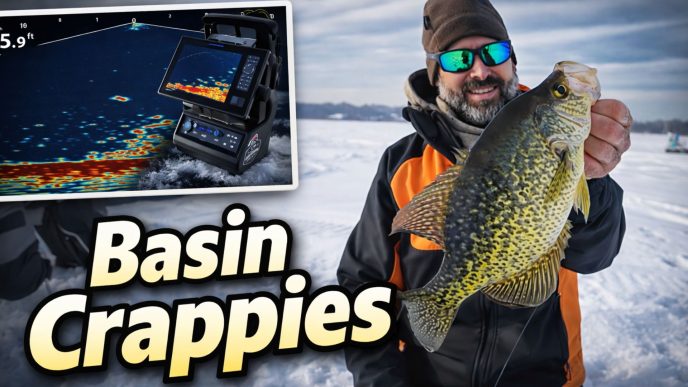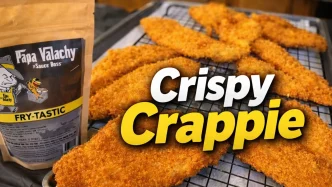


A good fish fry doesn’t need to be complicated. When you start with fresh crappies and focus on clean flavors, proper oil temperature, and simple technique, the results speak for themselves. Crappies are one of the best-eating freshwater fish, and this approach highlights why they’re a favorite for fish fries everywhere.
This guide walks through everything, from a quick homemade tartar sauce to perfectly fried crappie fillets, with optional upgrades for extra crunch.
Homemade Tartar Sauce That Elevates Fried Fish
A great fish fry deserves a tartar sauce that cuts through the richness of fried fish. The key is acidity and balance, not sweetness.
Simple Ingredients
- Mayonnaise (base)
- Dill pickles and pickle juice
- Pepperoncini peppers
- Shallots
- Fresh dill (optional, from the pickle jar)
- Optional seasoning for extra depth
How to Make It
Finely dice the shallot, pickles, and pepperoncinis. Add everything to the mayo and mix until it reaches a relish-like texture. Thin it slightly with pickle and pepperoncini juice to brighten the flavor.
Taste and adjust as you go. Shallots are potent, so less is more. The final result should be tangy, slightly sharp, and refreshing, perfect with fried fish.
Preparing Crappie Fillets for Frying
Crappie fillets should be:
- Clean and skinless
- Slightly moist (not dripping wet)
- Trimmed to similar sizes for even cooking
Moist fillets help breading stick, but excess water leads to clumping and uneven coating.
A Foolproof Fish Fry Breading Method
This is a simple, repeatable method that works every time.
Bag-and-Shake Breading
- Add breading to a zip-top bag
- Drop in a few fillets at a time
- Shake gently until evenly coated
- Remove and lay flat until frying
Cornmeal-based breading adds texture without overpowering the fish. Avoid overloading the bag so each fillet gets even coverage.
Optional Extra-Crunch Upgrade: Egg Wash & Panko
If you want maximum crunch:
- Dip breaded fillets in egg wash
- Coat with panko breadcrumbs
- Gently press crumbs into the fish
This works best on thicker fillets and delivers a crisp, golden crust with more bite.
Deep Frying Crappies the Right Way
Oil and Temperature
- Use peanut oil or a high-heat neutral oil
- Heat to 350–375°F
Hot oil ensures crispy fish without greasy results.
Frying Technique
- Lower the fish into the oil away from you to prevent splashing
- Fry in small batches
- Cook by color, not time
Crappie fillets are thin. Once they’re golden brown, they’re done.
Draining and Finishing the Fish
Remove fish with spider tongs and place on a wire rack over paper towels. This keeps the coating crisp while draining excess oil.
If your breading doesn’t include seasoning, lightly salt the fish while it’s still hot.
Frying the Sides While the Oil Is Hot
A hot fryer is the perfect chance to make sides:
- Fries
- Tater tots
- Diced potatoes
Season immediately after frying so the flavors stick. Well-seasoned sides complete the fish fry without extra effort.
Building the Perfect Fish Fry Plate
Pair hot, crispy crappies with:
- Tangy homemade tartar sauce
- Seasoned fried potatoes
- Cold drinks and good company
Crappies shine when cooked simply, making it easy to repeat for family meals, office fish fries, or weekend get-togethers. When you keep the process clean and efficient, the food takes care of itself.