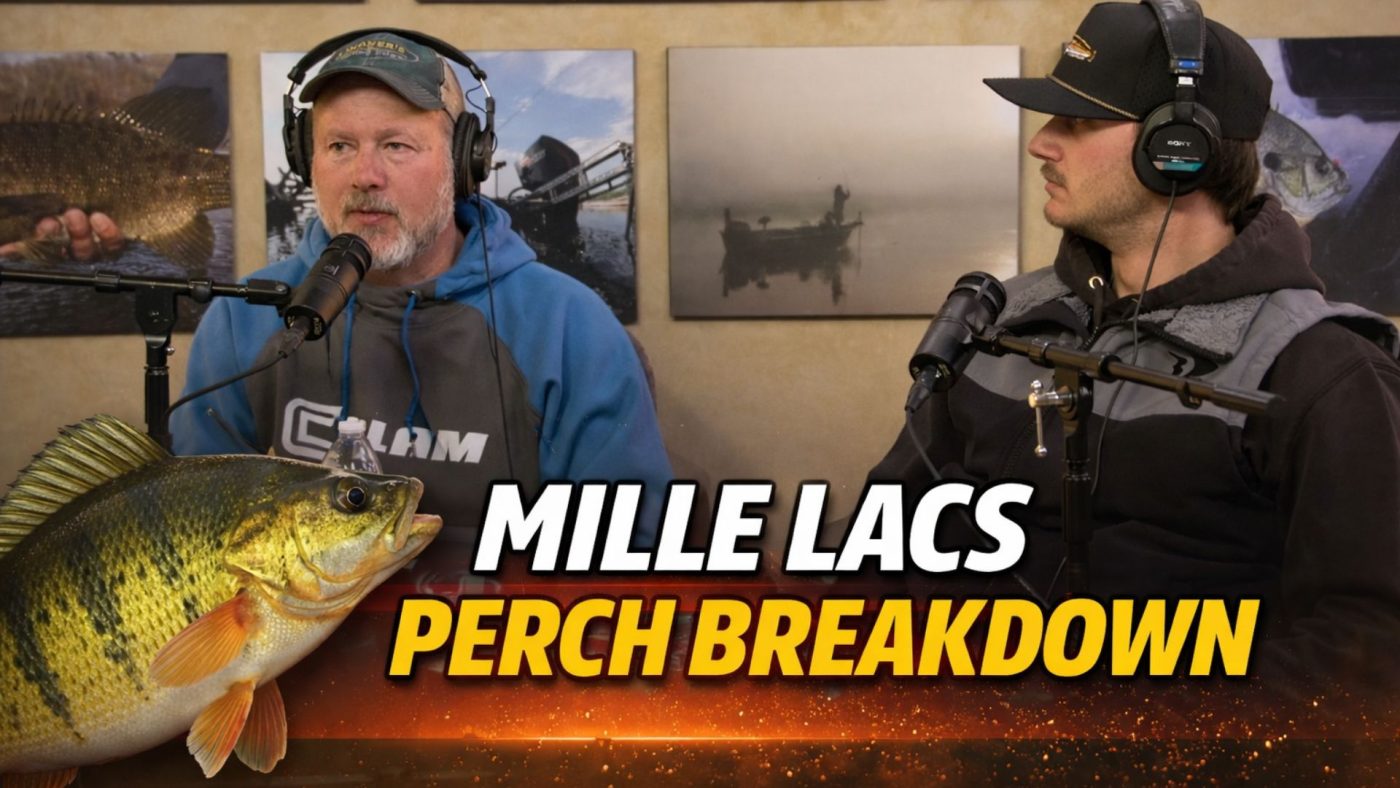

For years, jumbo perch on Lake Mille Lacs felt like a story from the past, something veteran anglers talked about but few actually experienced. Recently, that’s changed. Strong year classes, updated regulations, and modern ice-fishing technology have brought Mille Lacs perch back into the spotlight, and anglers willing to adapt are being rewarded.
This article breaks down how today’s anglers are finding perch on Mille Lacs, why mobility matters, when it’s better to sit still, and which baits consistently put fish on the ice.
Why Mille Lacs Perch Fishing Is Back
Last season proved what many hoped: Mille Lacs once again holds a healthy population of quality perch. Anglers reported strong numbers of 10–12 inch fish, with true jumbos mixed in. In response, regulations were adjusted, reducing harvest when numbers surged, then settling into a sustainable middle ground.
The takeaway?
Perch are present, spread across a massive habitat, and are highly cyclical. Success isn’t about one magic spot. It’s about understanding where fish are now, not where they were last week or last year.
Understanding Perch Habitat on Mille Lacs
Mille Lacs is enormous, and perch habitat spans miles. In winter, perch are most often found:
- Along sand-to-mud or gravel-to-mud transitions
- On flats near breaks early in the season
- Out in the mud basin later in winter, feeding heavily on invertebrates
Unlike walleyes or crappies, perch hug the bottom tightly. They’re not roaming high in the water column, and they don’t always show clearly on sonar, especially when pressured. That makes locating them a game of precision and patience.
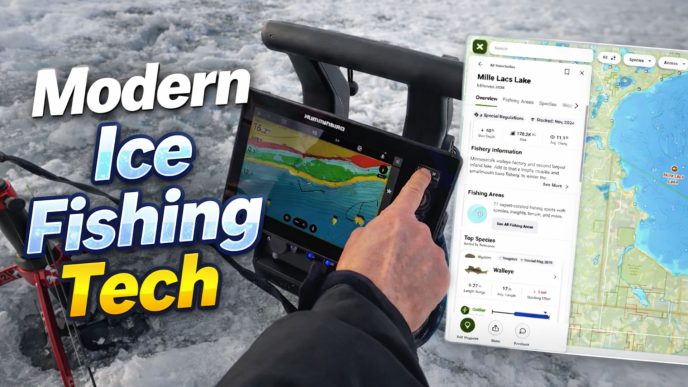
Using Forward-Facing Sonar to Find Perch
Modern forward-facing sonar has completely changed how anglers approach Mille Lacs. Instead of sitting and waiting, many anglers now “hunt” perch.
What perch look like on sonar:
- Very small, subtle marks
- Tight to the bottom
- Often mistaken for bottom clutter or sand texture
A full, slow 360-degree sweep is critical. Big perch schools don’t show as dramatic blobs. They look like slight movement or vibration along the bottom. Once a bait drops in, everything comes alive. If you only look for obvious marks, you’ll miss most perch.
Mobility vs. Sitting Still: When Each Strategy Works
One of the biggest lessons from recent seasons is that mobility isn’t always best.
When to Stay Mobile
- Aggressive fish willing to chase
- Using forward-facing sonar to locate active schools
- Short feeding windows where speed matters
In these situations, anglers drill often, scan quickly, catch a few fish, and move again.
When to Sit Tight
- High fishing pressure
- Spooky fish in shallow or clear conditions
- Stable weather patterns
Sometimes, noise and movement push fish away. In these conditions, anglers camping on proven spots, especially in wheelhouses, often outperform run-and-gun tactics. Schools eventually slide through, and when they do, the bite can be fast and furious.
The best anglers adjust daily, not seasonally.
Best Baits for Mille Lacs Perch
Perch are notorious for mood swings. What works one hour can fail the next.
When the Bite Is Hot
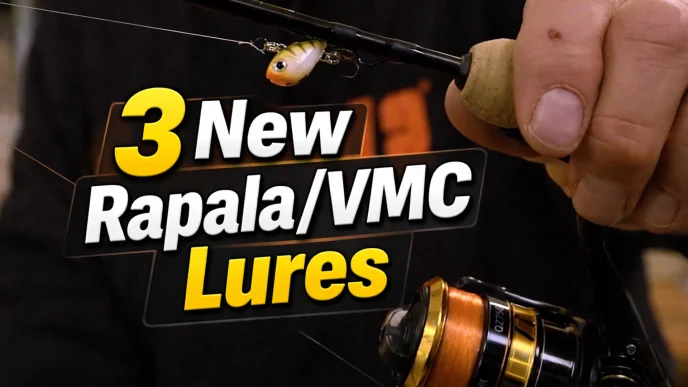
- Jigging Raps (sizes #3 and #5)
- Tungsten spoons (1/8 oz range)
- Aggressive jigging to draw fish in fast
Perch will crush larger, louder baits when competition is high. Speed matters. Getting back down quickly can mean multiple fish from one school.
When Perch Are Finicky
- Tungsten spoons tipped with wax worms or spikes
- Teardrop jigs with live bait
- Plain hooks with minnows when fish refuse artificials
Even during good bites, live bait often outperforms plastics. Perch feeding on larvae and insects respond well to natural scent and subtle movement.
Why Getting Down Fast Matters
On Mille Lacs, depth is a factor. Many perch schools roam 25–35 feet of water, and they don’t wait long.
Heavy tungsten shines here:
- Faster drop
- More time in the strike zone
- Better chance to catch multiple fish before the school moves
Light jigs and plastics work, but are often too slowly when fish are actively feeding.
Perch Are Cyclical: Timing Is Everything
Perch populations rise and fall more dramatically than many species. Strong year classes can dominate a lake for several seasons, then fade.
Anglers Should:
- Track DNR surveys
- Watch reports from guides and resorts
- Pay attention to size structure, not just numbers
Right now, Mille Lacs is in a strong perch cycle, but it won’t last forever. When it’s good, it’s worth fishing.
Adapt to Win on Mille Lacs
Catching jumbo perch on Mille Lacs today isn’t about luck. It’s about:
- Reading subtle sonar clues
- Knowing when to move—and when not to
- Matching bait choice to fish mood
- Respecting the resource with selective harvest
Technology gives anglers an edge, but understanding perch behavior still matters most. Fish smart, stay flexible, and enjoy one of the best perch seasons Mille Lacs has offered in years.