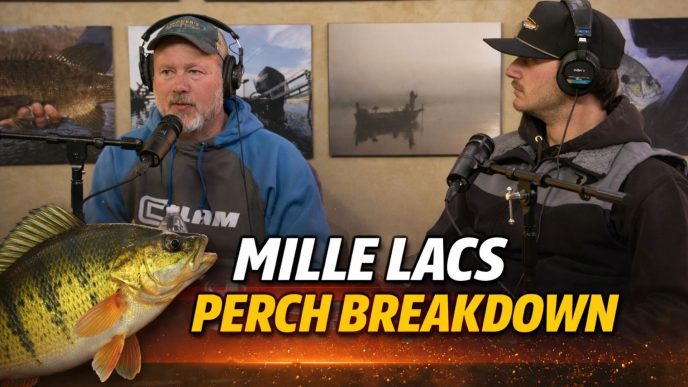


Ice fishing for perch has changed dramatically over the last decade. What was once a game of sitting over a hole and waiting has evolved into a fast-paced, mobile style of fishing that rewards anglers willing to move, drill, and adapt. This approach, often called run-and-gun, is all about covering water, staying ahead of roaming schools, and capitalizing quickly when the bite turns on.
On large, expansive lakes, this strategy can be the difference between scratching out a few fish and finding the kind of jumbo perch schools anglers dream about.
What Run-and-Gun Perch Fishing Really Means
Run-and-gun perch fishing is exactly what it sounds like: staying mobile and actively hunting fish rather than waiting for them to come to you. Perch are notorious roamers, especially in winter, and they often travel in loose schools across massive flats.
Instead of camping on one hole and hoping a school passes through, run-and-gun anglers drill aggressively, check areas quickly, and move as soon as the fish slide away. When done right, it turns perch fishing into an interactive, high-energy experience where every decision matters.
Why Perch Are Perfect for a Mobile Ice Strategy
Perch behavior makes them ideal for this style of fishing. Unlike walleyes that relate tightly to structure, perch often roam along bottom transitions where food is abundant. They’re primarily feeding on invertebrates (bloodworms, scuds, and insect larvae), which are spread out across sand, gravel, and mud flats.
Because of this, perch schools don’t always “stack” in one place. They slide, pause, feed briefly, and move again. That’s why anglers often experience short, intense flurries followed by long periods of nothing, unless they’re willing to chase the fish.
Finding the Right Water Before Finding Fish
Successful run-and-gun perch fishing starts with location, not electronics. Big perch are most commonly found on expansive flats in the 25–35 foot range, especially where hard bottom transitions to softer mud. These areas concentrate the invertebrates that perch feed on all winter.
Rather than targeting tiny spots, anglers should think big: long stretches of similar depth and bottom composition. Once you’re in the right neighborhood, mobility and electronics help narrow things down fast.
Using Electronics to Stay Ahead of Moving Schools
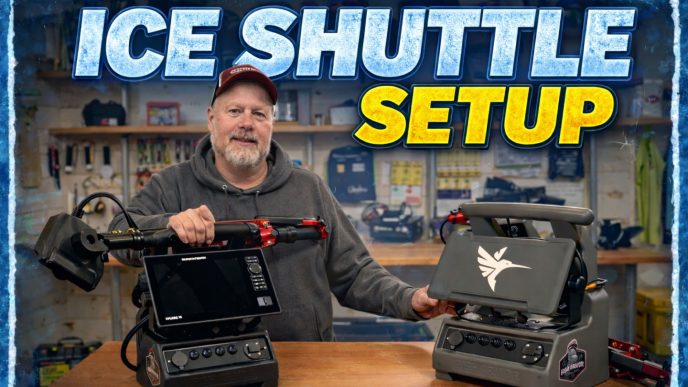
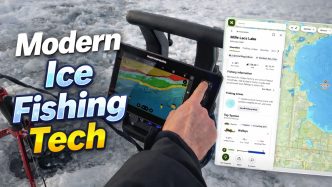
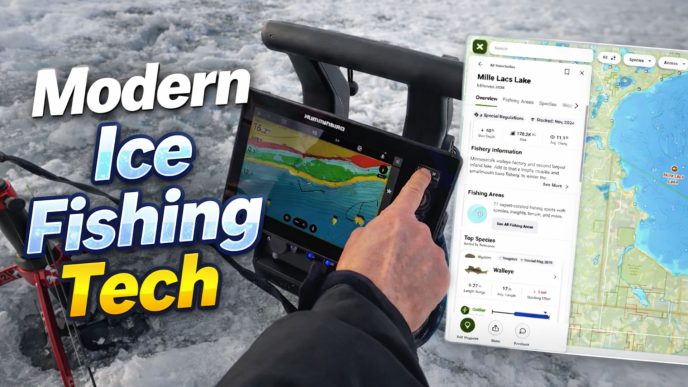
Modern forward-facing sonar has transformed how anglers chase perch. Instead of guessing where fish might be, anglers can now see subtle movements along the bottom. Small spikes, tremors, or shifting shadows can indicate perch feeding.
One of the biggest lessons with perch is that you won’t always see clear marks. Often, the fish blend into the bottom until a bait enters the picture. Dropping a lure can trigger movement, pulling fish up just enough to reveal themselves on screen. When that happens, quick drilling and repositioning are critical to staying on the school.
Hole Hopping: When to Stay and When to Move
In run-and-gun perch fishing, timing is everything. If you catch a few fish quickly, stay put and fish efficiently. If the bites stop and the screen goes quiet, it’s time to move… immediately!
Perch flurries can last minutes, not hours. Drilling ahead of the school, rather than directly on top of it, often keeps fish around longer. The anglers who consistently catch the most fish are the ones who get lines back down fast and don’t hesitate to relocate when the action fades.
Lure Selection for a Fast-Paced Bite
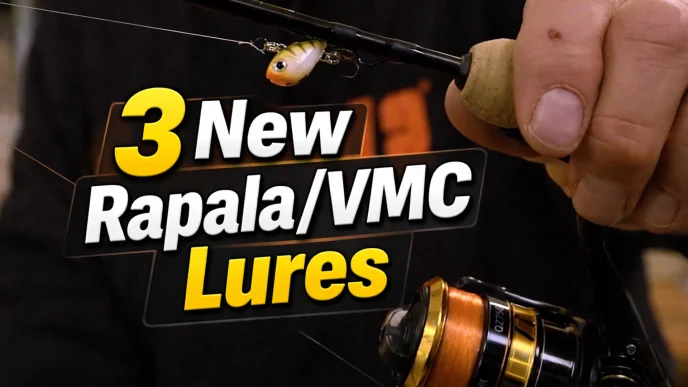
Speed matters when chasing perch. Heavier spoons and compact jigs excel because they drop quickly and get back into the strike zone before the fish move on. In deeper water, a fast-falling lure allows anglers to capitalize on short windows without losing precious seconds.
During competitive bites, perch often strike aggressively even without live bait. When the action slows or fish become more cautious, tipping with waxworms or minnows can make a difference. The key is efficiency, getting down fast, triggering bites, and resetting immediately.
Selective Harvest and Responsible Mobility
Run-and-gun fishing doesn’t mean overharvesting. In fact, mobility can reduce pressure by spreading effort across a wide area rather than pounding one spot all day. Keeping eater-sized perch while releasing the largest fish helps protect strong year classes and keeps fisheries healthy.
Large lakes with vast perch habitat can sustain harvest when anglers practice restraint. The goal is simple: catch what you need, enjoy the action, and move on.
Why Run-and-Gun Perch Fishing Is So Addictive
Run-and-gun perch fishing combines strategy, movement, and real-time decision-making in a way few ice fishing styles can match. It’s fast, interactive, and incredibly rewarding when everything comes together. Instead of waiting and wondering, you’re actively hunting fish, reading the lake, interpreting electronics, and staying one step ahead of the school.
For anglers willing to put in the effort, this approach unlocks some of the most exciting perch fishing the ice season has to offer.