
When it comes to multi-species fishing, few tactics are as effective or adaptable as soft-plastic minnow fishing. Whether you’re chasing walleyes, crappies, perch, or bass, rigging the right minnow-style bait on the right jig head can make or break your day. And with the rise of forward-facing sonar, this approach has become even more precise.
Let’s break down the go-to minnow profiles and the best jig heads to pair them with, giving you a full-spectrum setup for everything from tough bites to active feeding windows.
Why Minnow Plastics Work Everywhere
Minnow-style soft plastics mimic the primary forage for almost every freshwater predator. Whether it’s a shiner, fathead, or young-of-the-year perch, the flash and profile of a straight-tail or forked minnow consistently trigger strikes.
These baits let you control speed, depth, and action with minor adjustments, which makes them ideal for everything from casting to fish you see on live sonar to tightline vertical jigging.
Key Minnow Plastics That Catch Everything
Several standout baits have proven themselves:
1. CrushCity Freeloader

A legendary minnow-style bait that works well in active schools. It pairs excellent with a variety of jig heads and is made for casting and swimming.
2. CrushCity Mooch Minnow (TPE plastic)

This one’s ideal when the bite gets finicky. Its TPE (thermoplastic elastomer) construction makes it super durable and offers a more subtle presentation.
3. Big Bite Baits Sensation Minnow
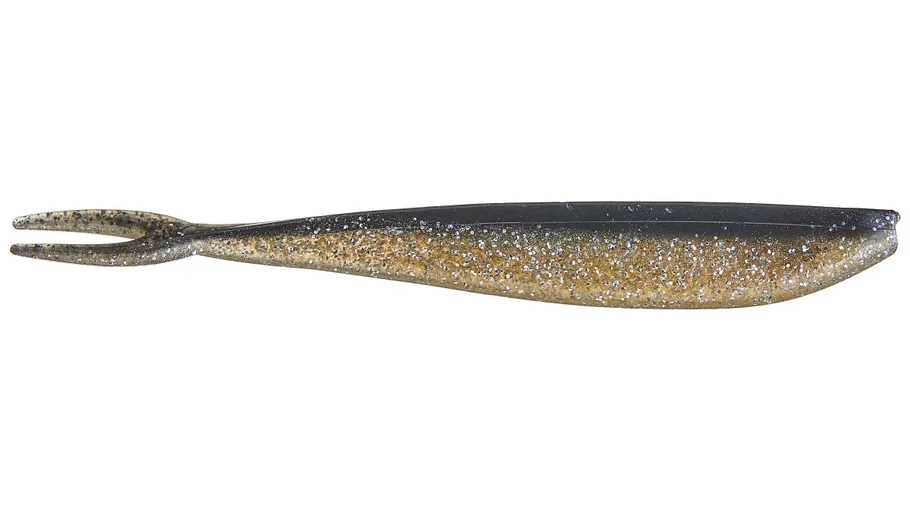
Designed with a heavily scented formulation, this straight-tail minnow excels during tough conditions when scent and finesse matter most.
4. CrushCity The Jerk
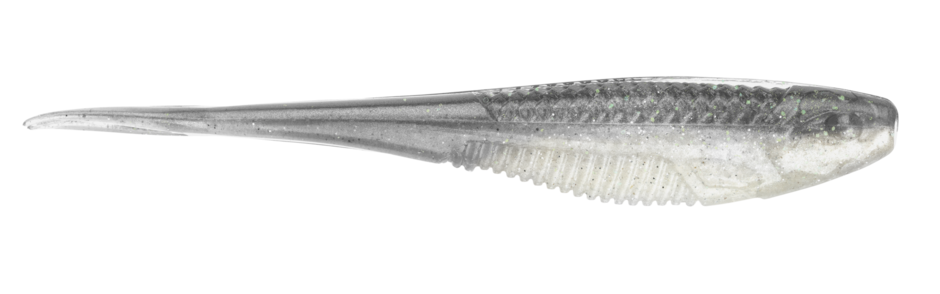
A straight-tail profile with a stretchier TPE plastic. It’s built for responsive movement with minimal rod input, perfect for light twitching or gliding presentations.
Matching Jig Heads to Minnows
Different fishing conditions call for different jig head styles. Whether you’re fishing vertically, pendulum-style, or casting to fish on sonar, the jig head plays a major role in action and hookup success.
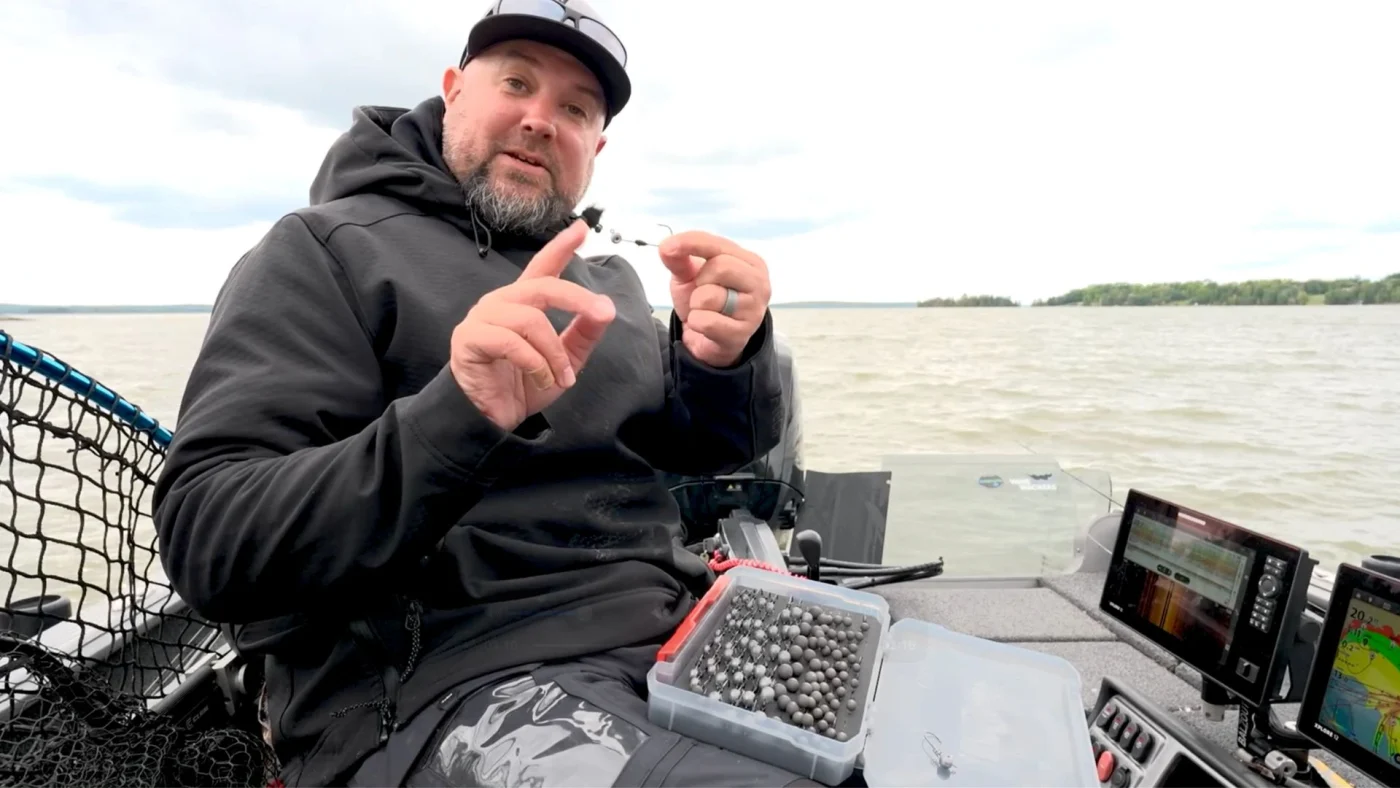
1. Minnow Shaker Head
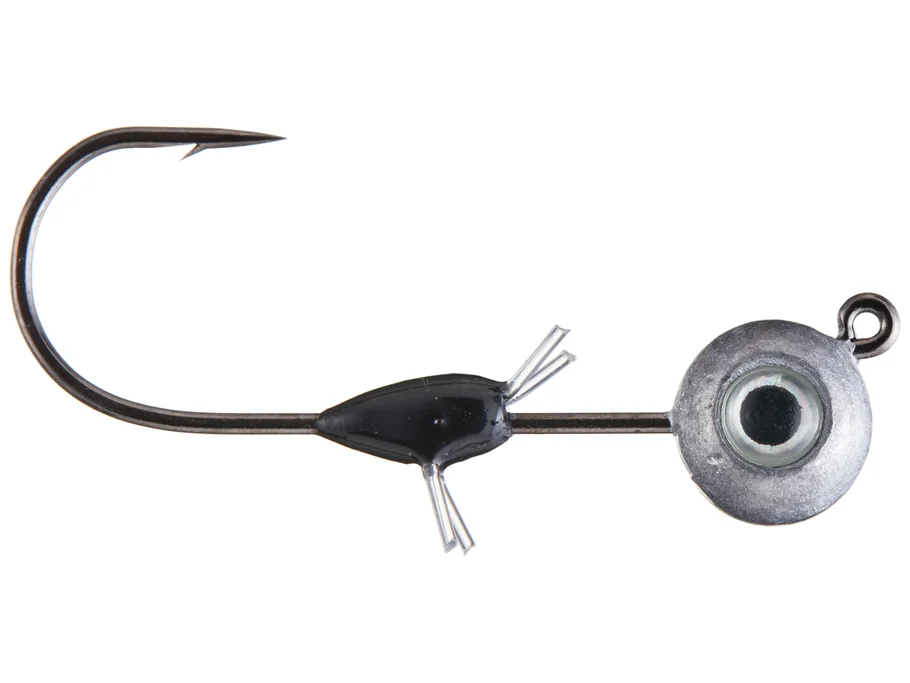
This jig head stands out thanks to its versatile fluorocarbon keeper system. It’s ideal for holding both super soft scented baits like the Big Bite Sensation Minnow and TPE baits like the Mooch Minnow. The 60-degree line tie provides a great angle for swimming and forward-facing sonar work, and the high hookup ratio makes it a favorite for fast-action bites.
Perfect for:
- Active, aggressive schools
- Fast casting and return when fish are feeding
- Mid-depth to deep water presentations
2. Hybrid Swimbait Head
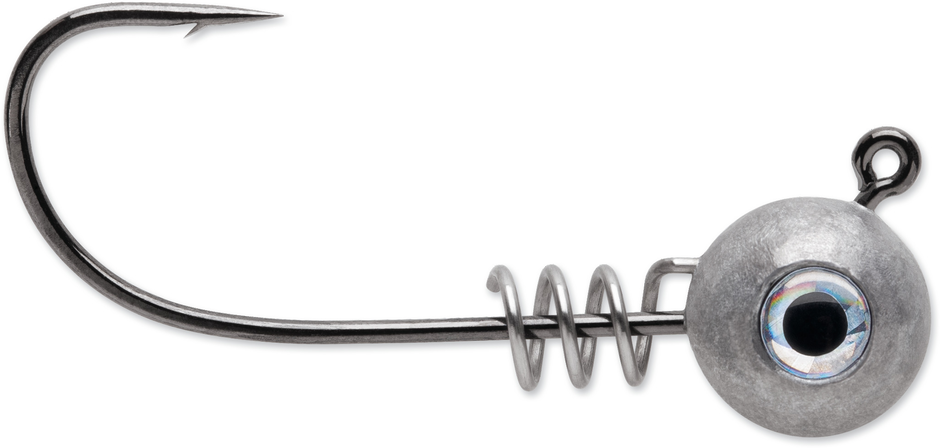
This head features a screw-lock style keeper that excels with standard soft plastics. While a little more specific to softer baits (not TPE), it’s a top-tier option when fish are chewing and you want to burn through bait schools quickly.
Perfect for:
- Covering water fast
- Maximizing hookup when casting to visible fish
- Pairing with traditional or scented soft baits
3. Tungsten Swimbait Head

The small size and higher density of tungsten gives you better performance on forward-facing sonar. It gets to depth quickly and is easier to see on screen. It also includes a Redline hook, helping you convert sonar follows into catches with precision.
Perfect for:
- Finesse presentations
- Fishing spooky or pressured fish from a distance
- Dialed-in targeting using forward-facing sonar
Jig Head + Minnow Pairing Tips
- Match the weight to how you’re fishing: use lighter (1/16 oz) for vertical or float setups, and heavier (1/8 oz or more) for long casts or deeper water.
- Use scent when fish are sluggish. The Big Bite Sensation Minnow shines here.
- Pay attention to the tail action. Subtle hinge-style tails need less input and are great for cold water or negative mood fish.
- Try pendulum retrieves. Cast out, count it down, and let the bait swing back to you naturally. It’s a killer for crappies and walleyes.
A Profile for Every Bite Window
Whether you’re chasing spring crappies, summer walleyes, or fall bass, having a variety of minnow shapes and jig heads gives you a toolkit for success across seasons and species. And the beauty of this approach is in the simplicity. A couple of jig heads, a few minnow profiles, and a good sonar setup are all you need to stay in the game.