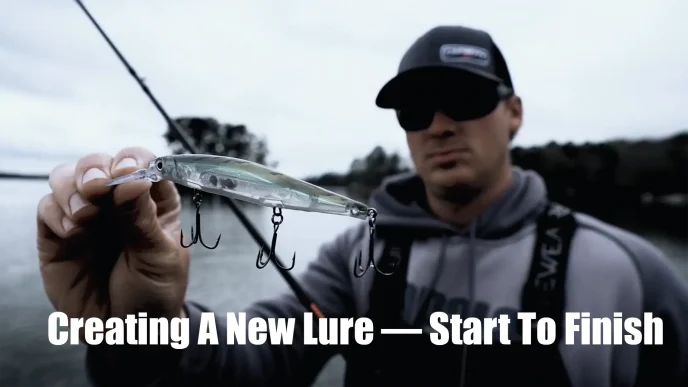


Since it first rolled off Finnish mold blocks in the 1950s as an ice-fishing novelty, the Jigging Rap® (and the copy-cats it inspired) has quietly become one of the most productive lures ever tied on—especially for open-water walleyes. Below, I’ll unpack why this seemingly simple hunk of lead is still turning heads and loading livewells across North America.
The Jigging Rap has been a staple in anglers’ tackle boxes for decades, providing consistent results across various fishing conditions. Its unique design and versatility make it a go-to choice for both seasoned professionals and novice anglers alike. For those new to using the Jigging Rap, understanding its mechanics and the best practices for deployment can greatly enhance the fishing experience.
Understanding the Jigging Technique
Mastering the jigging technique is crucial for success with the Jigging Rap. The technique involves a rhythmic motion that mimics the movement of distressed prey. By experimenting with different rod movements and intervals, anglers can find the perfect cadence that entices fish. For instance, a rapid jig followed by a pause can often trigger strikes from predatory species. Additionally, keeping an eye on water temperature and current can inform adjustments to your technique.
A Brief History: From Hard-Water Staple to Open-Water Phenom
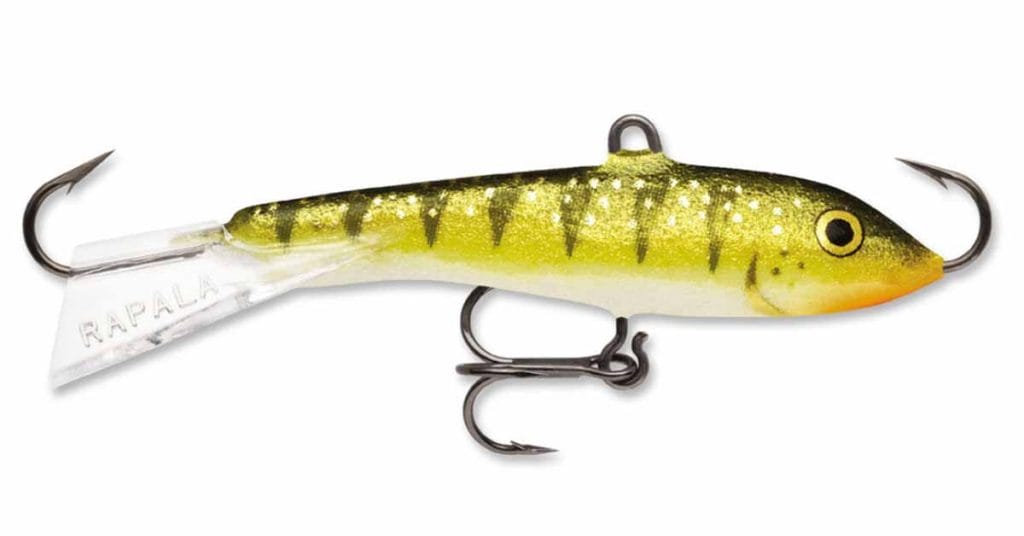
- 1950s origins. Rapala designed the original Jigging Rap for vertical ice fishing, banking on its fast sink rate and wild, circular “search” action.
- Early 2000s breakthrough. Roughly 15 years ago anglers began bombing it over mid-summer sand flats in 15–25 feet for roaming walleyes. The results were so dramatic that Al Lindner famously likened it to “commercial walleye fishing.”
- Ripple effect. Sales exploded, and nearly every hard-bait manufacturer now offers a clone. Yet the core principle—solid lead body, center line tie, rear and belly trebles—remains unchanged.
What Makes It So Deadly?
The versatility of the Jigging Rap not only lies in its design but also in how it can be adapted for various species. For instance, when targeting suspended fish, a slower retrieve can increase the chances of enticing bites. Conversely, when fishing for aggressive species, a quicker jigging action can provoke a reaction strike. Understanding the behavior of the target species during different seasons can also enhance success rates.
| Attribute | On-Water Advantage |
|---|---|
| Solid lead core | Gets down instantly, letting you cover water or change depth with a single sweep. |
| Center-balance line tie | Produces an erratic dart-and-glide that forces split-second feeding decisions. |
| Three-hook profile | Hooks fish no matter which direction they slash. |
| Compact silhouette | Matches a wide range of forage: shiners, smelt, ciscoes, juvenile perch, and more. |
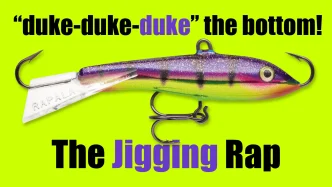
That package creates a speed-based presentation: pop the lure, drop the rod tip, let it “duke-duke-duke” to the bottom, and repeat. Fish have milliseconds to react—eat it or lose out.
Additionally, utilizing the correct fishing line and rod setup can significantly impact performance. A medium-light rod is often preferred for its sensitivity, allowing anglers to feel the slightest bites. Pairing this with a braided line can enhance the connection to the lure, ensuring that subtle movements are effectively transmitted. This combination enables anglers to react swiftly, improving their chances of a successful catch.
The effectiveness of the Jigging Rap can also be amplified by incorporating different color patterns based on water clarity and the species being targeted. For instance, bright colors tend to be more effective in murky waters, while natural colors work well in clear conditions. It’s worth experimenting with various colors to discover what works best in specific environments.
Multi-Species Versatility
Although walleyes stole the spotlight, the Jigging Rap’s resume now reads like an angler’s bucket list:
- Cold-water smallmouth roaming deep autumn flats
- Suspended crappies sliding off breaklines into basin water
- Lake trout and whitefish prowling mid-lake basins all summer
- Northern pike and even incidental whitefish when jigged aggressively
If Rapala’s X-Rap® is the “Swiss-army crankbait,” the Jigging Rap is the heavyweight utility knife—just tied to a jigging rod instead of a snap.
Presentation Keys
- Target micro-pods. Use electronics to mark three or four fish, drop, pop, and hook one or two.
- Stay mobile. Rather than camping on a school with live bait or a Lindy rig, hit a pod, catch what bites, then slide to the next waypoint.
- Mix the retrieve. On sand flats, bounce bottom; over lakers suspend it mid-column; for basin crappies hover just above marks.
- Gear up for speed. Medium-heavy fast-tip spinning or baitcasting outfits with thin braid and a fluorocarbon leader help rip the lure hard and feel every “tick.”
A Tool That’s Tough to Beat
On remote Canadian shield lakes—where new content and fresh tactics are the lifeblood of filming crews—the biggest challenge is often finding something that out-catches a Jigging Rap. More often than not, they concede it’s “about the best thing going.”
When efficiency, depth control, and trigger power matter most, few presentations keep pace. Identify fish, make a handful of casts, trigger the active ones, and roll on. Rinse. Repeat. It’s that simple—and that’s why a lure invented for ice holes over half a century ago still headlines today’s hottest open-water walleye strategies.
Furthermore, the time of day can influence fishing success with the Jigging Rap. Early mornings and late evenings often provide the best opportunities, as many species are more active during these periods. Understanding the feeding patterns of fish can help anglers to plan their outings more effectively, ensuring that they are on the water when fish are most likely to bite.
Bottom line: Whether you’re chasing mid-summer walleyes, basin crappies, or pelagic lake trout, sliding a handful of Jigging Raps into your tackle box ensures you have one of the fastest, most versatile fish-triggering tools at your fingertips. Give it room to roam, and let the lead do the heavy lifting.
Finally, documenting fishing experiences and noting the conditions can serve as a valuable tool for improvement. Keeping a fishing journal with details such as weather conditions, water temperature, and successful techniques can help anglers refine their strategies over time. This practice not only enhances personal skills but also contributes to a greater understanding of local ecosystems.
The Jigging Rap continues to be a powerful tool in the angler’s arsenal. Its design, versatility, and the ability to adapt to various fishing conditions make it an essential lure. By mastering the techniques associated with the Jigging Rap and understanding the behavior of target species, anglers can maximize their success on the water. Whether you’re fishing for walleyes, crappies, or lake trout, the Jigging Rap is sure to enhance your fishing adventures.