
Undiscovered Treasures in Minnesota
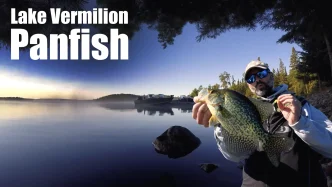
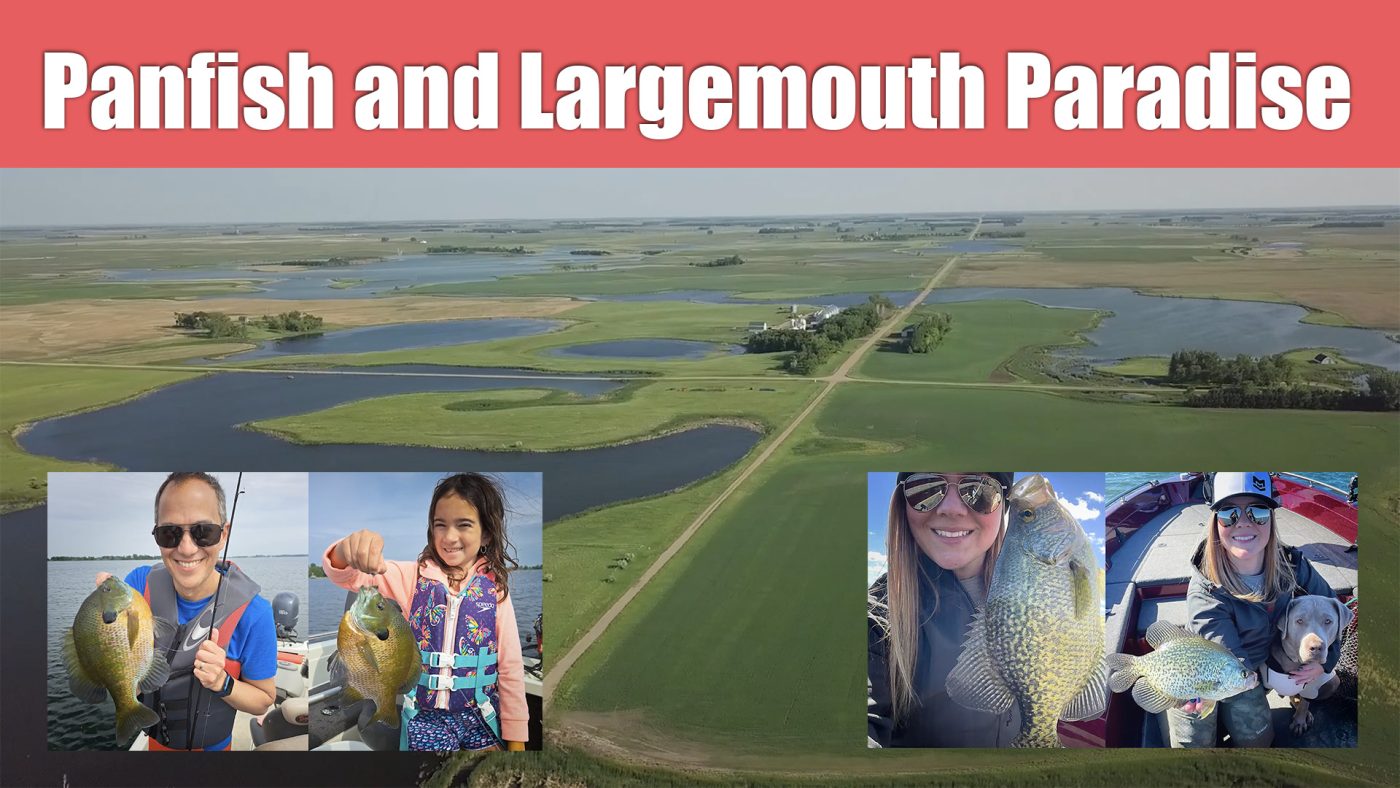
One of the most intriguing and lucrative fishing locations in the Midwest is between Minnesota’s hardwood woods and plains. Particularly bluegills, trophy largemouth bass and panfish call this area—which runs from about southeast of Alexandria to Detroit Lakes—home.
Geological foundations: variety and glaciers The glacial past of this region is mostly responsible for the extraordinary panfish numbers. During the last ice age, glaciers pushed across what is today central and western Minnesota. As they melted, huge chunks of ice cracked off to form many lakes. Particularly the glacial leftovers of Lake Agassiz shaped the terrain by creating unique beach ridges and distributing a complex diversity of materials.
This varied glacial action created a rich mosaic of lakes and aquatic habitats. Prairie-style lakes, akin to the shallow bulrush sloughs seen in North and South Dakota, round this section on one side. As you move east and north, however, boreal forest replaces mixed hardwoods. Rich aquatic habitats ideal for panfish development are produced by this ecological diversity including many substrates, vegetation, and invertebrates.
The ecology of the exceptional panfish waters substantially affects the output of this region. Wide range of aquatic invertebrates call these lakes home, many of which are “buggy.” Certain even have freshwater prawns, like those discovered in North Dakota. Fish flourish from the plenty of feed.
Other key components are rock, gravel, and a range of plants—especially strong colonies of aquatic vegetation like cabbage. For these reasons, panfish have great places to breed and eat. The outcome is a cluster of lakes with outstanding bluegill fishing, particularly around Alexandria and further north to Grand Rapids.
The lakes in this area are “Jekyll and Hyde” as, although some of them resemble prairie sloughs, their fish diversity and output more reflect that of lakes in the north. These hybrid features make multispecies angling interesting.
Bass and bluegills: a mutually beneficial relationship. Some of the best lakes for giant bluegills surprisingly have prize largemouth bass. Ecology-wise, these two species work together. Generally speaking, strong bass populations coexist with robust bluegill numbers and vice versa.
The western transition zone is, in many ways “largemouth heaven.” When bass have access to plenty of feed, healthy aquatic environments, and rich soils, they develop and reproduce fiercely. The size of the largemouths may surprise anglers, although some lakes feature a number of less desired species, such black bullheads. Often indicating unique environmental conditions suited for big bass, bullheads point to
Unmet Potential and Uniscovered Gems
Ironically, many of these lakes feature access restrictions that help to preserve their quality. Getting to some of the better bass and bluegill lakes can be difficult. Shallow landings or unimproved accesses greatly reduce fishing pressure by discouraging big vessels. For those who are ready to risk and travel into more remote or uncharted areas, the benefits can be very amazing.
Ultimately, the fisheries is rich and flourishing. Not only is the western Minnesota prairie-forest transition zone, sculpted by glaciers and teeming with life, amazing in ecology and biology. Whether your goal is panfish like bluegills or prize largemouths, this area offers unmatched fishing prospects. Its diversified habitats, abundant waters, and minimal fishing pressure make it still one of the best-kept secrets for freshwater fishing in the Midwest.