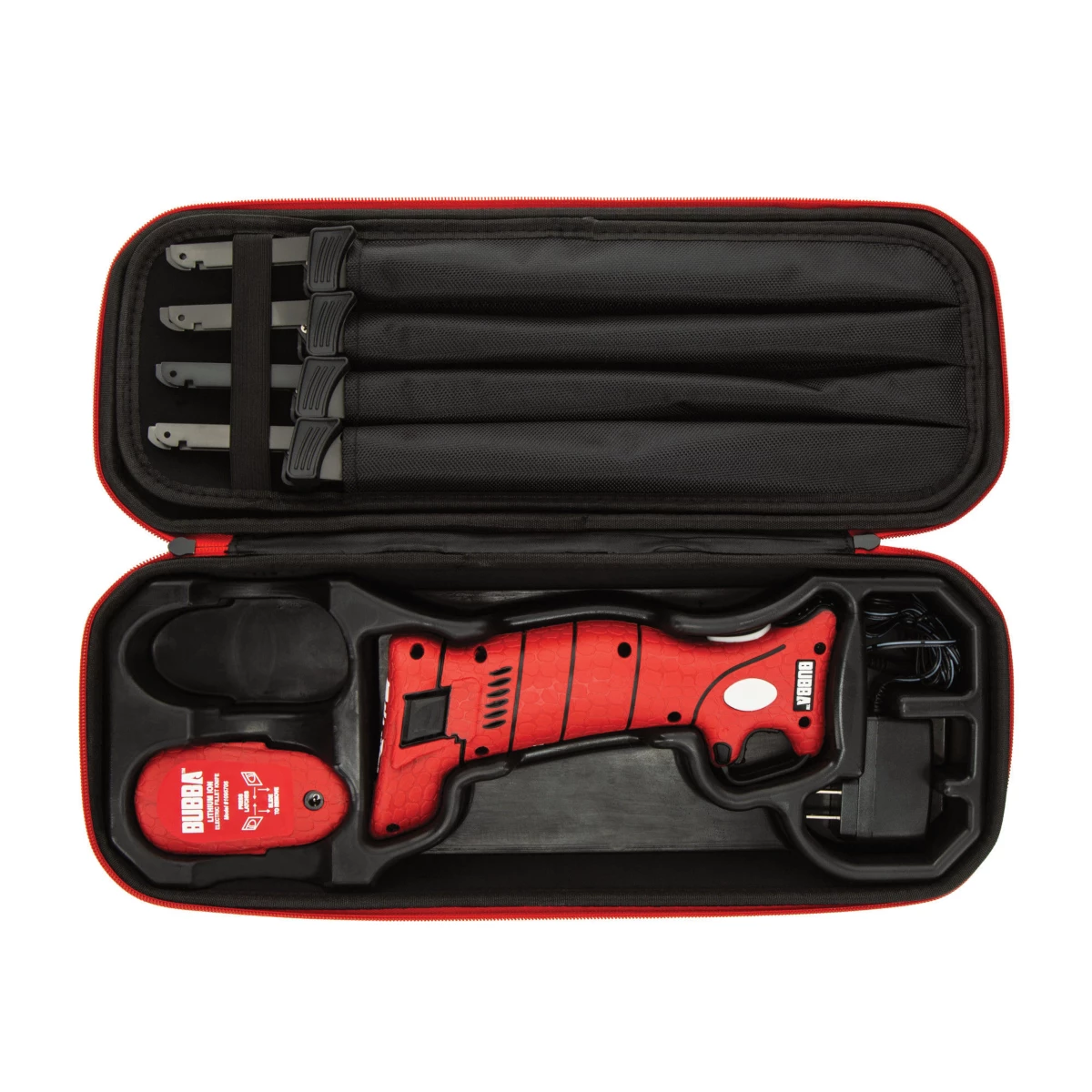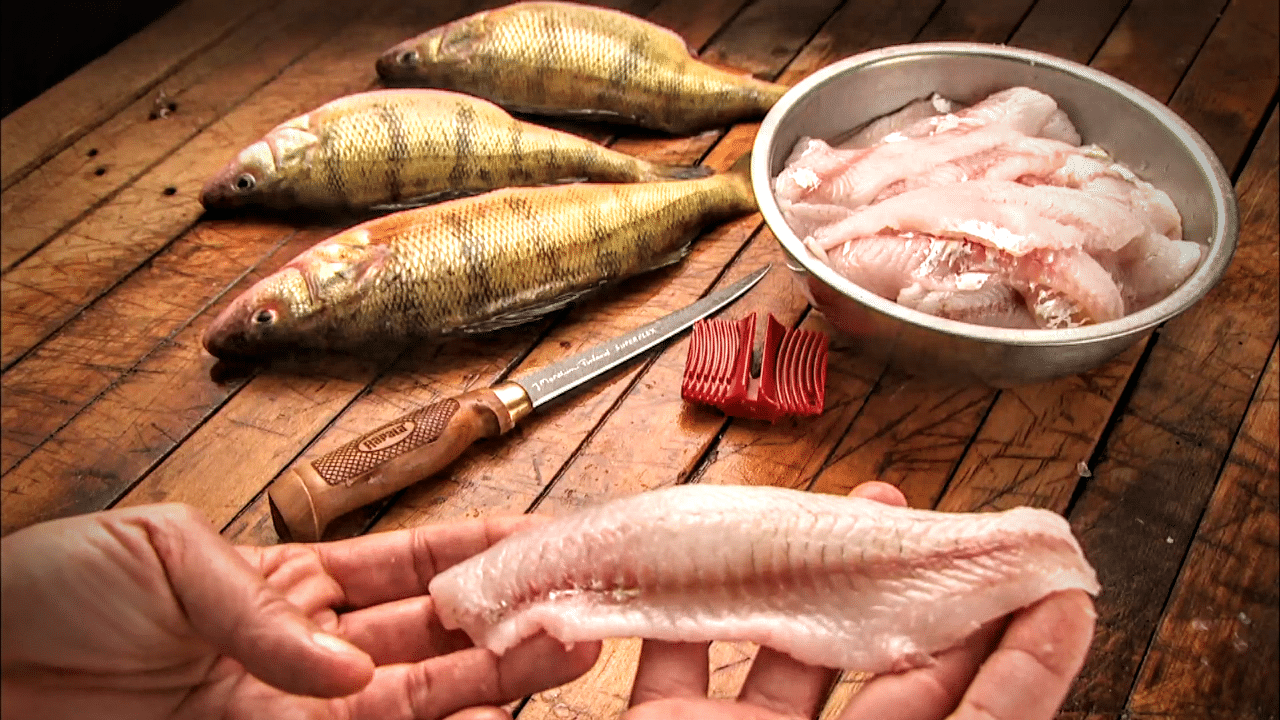

Jeff Simpson offers up some tips for filleting walleyes with a Bubba Lithium Ion Cordless Fillet Knife.
Filleting walleye can be a time-consuming task, but with the right tools and techniques, you can make the process much more efficient. In this article, I will share some tips and tricks for filleting walleye using an electric knife. These tips will help you achieve perfect fillets and make the cleaning process a breeze.
Prepare Your Tools
Before you start filleting the walleye, it’s important to have all the necessary tools ready. In addition to an electric knife, you will also need a case to store the fillets. I recommend using a case that comes with zip locks, as they can be handy for storing the fillets after cleaning.
Take Your Time
While it may be tempting to rush through the filleting process, taking your time is key to getting perfect fillets. I grew up filleting fish and initially wanted to be really fast. However I soon realized that slowing down and taking pride in getting the perfect fillets was more important. So, when filleting walleye, remember to take your time and focus on getting the best results.
Use an Electric Knife
Using an electric knife can greatly improve your efficiency when cleaning walleye. These knives are designed to make the process easier and faster. Once you get used to using an electric knife, you’ll be able to fillet the fish with precision and speed.
Bleed the Fish
Before bringing the walleye inside, it’s a good idea to bleed them out. This can be done by using Bubba scissors to cut them in a specific spot. Bleeding the fish improves the quality of the fillet and ensures that the meat is white and clean.
Remove the Hides and Rib Cages
Once the fish is bled, it’s time to remove the hides and rib cages. Start by removing the hides, and then proceed to remove the rib cages. This step is crucial in achieving perfectly clean fillets.
Flip and Peel
Here’s a little trick to make the process even easier. Once you’ve started removing the rib cages, flip the fillet over and put your knife right at the edge. This will allow you to peel off the fillet easily and efficiently.
Leave the Skin On
When you’re almost done with the filleting process, leave a portion of the skin on. This is required by some states for transportation purposes. Leaving the skin on allows for easier inspection if you get checked on the way home. Once you’re home, you can easily remove the skin with a knife.
Filleting walleye can be a time-consuming task, but with the right tools and techniques, you can make the process much more efficient. By using an electric knife, taking your time, and following the steps outlined in this article, you’ll be able to achieve perfect fillets every time. Remember to prepare your tools beforehand, including an electric knife and a case with zip locks for storing the fillets. Take your time and focus on getting the best results, rather than rushing through the process. Using an electric knife will greatly improve your efficiency and precision. Bleeding the fish before cleaning them ensures that the fillets are white and clean. Remove the hides and rib cages carefully to achieve perfectly clean fillets. A helpful trick is to flip the fillet over and peel it off from the edge. Finally, leave a portion of the skin on for transportation purposes, but remove it once you’re home.
Filleting Walleyes with an Electric Knife
In terms of table fare walleyes are arguably the most sought after fish in the Upper Midwest and for good reason; they are delicious. Their pearly white fillets are great baked, fried, grill, or just about any other way you can prepare fish.
Filleting walleyes with electric knifes is a fast and effective way to clean multiple fish. You will make the same cuts you would with a standard fillet knife.
The final step is to remove the pin bones. Run the knife perpendicular to the cutting knife right near the lateral line. You can feel them every time with the tips of your fingers before you cut.
This will ensure you have completely boneless walleye fillets.