



Mortality of crappies being caught from deep water is not a new concern. The reality is that the compounding factors of advancements in technology, including Forward Facing Sonar (FFS), make the process of finding and catching crappies in deep water far easier.
Lindner Media is not opposed to using FFS — we use it every time we are on the water.
We are not in favor of banning FFS, nor is the Minnesota DNR.
Again, the crappie barotrauma study was a pilot project. Information gleaned from this project will be used to refine research on the barotrauma issue.
The intent of the video is to educate anglers about the negative effects of catching and releasing crappies from deep water. And as always, a top concern is to continue into the future with healthy and quality fisheries for all to enjoy.
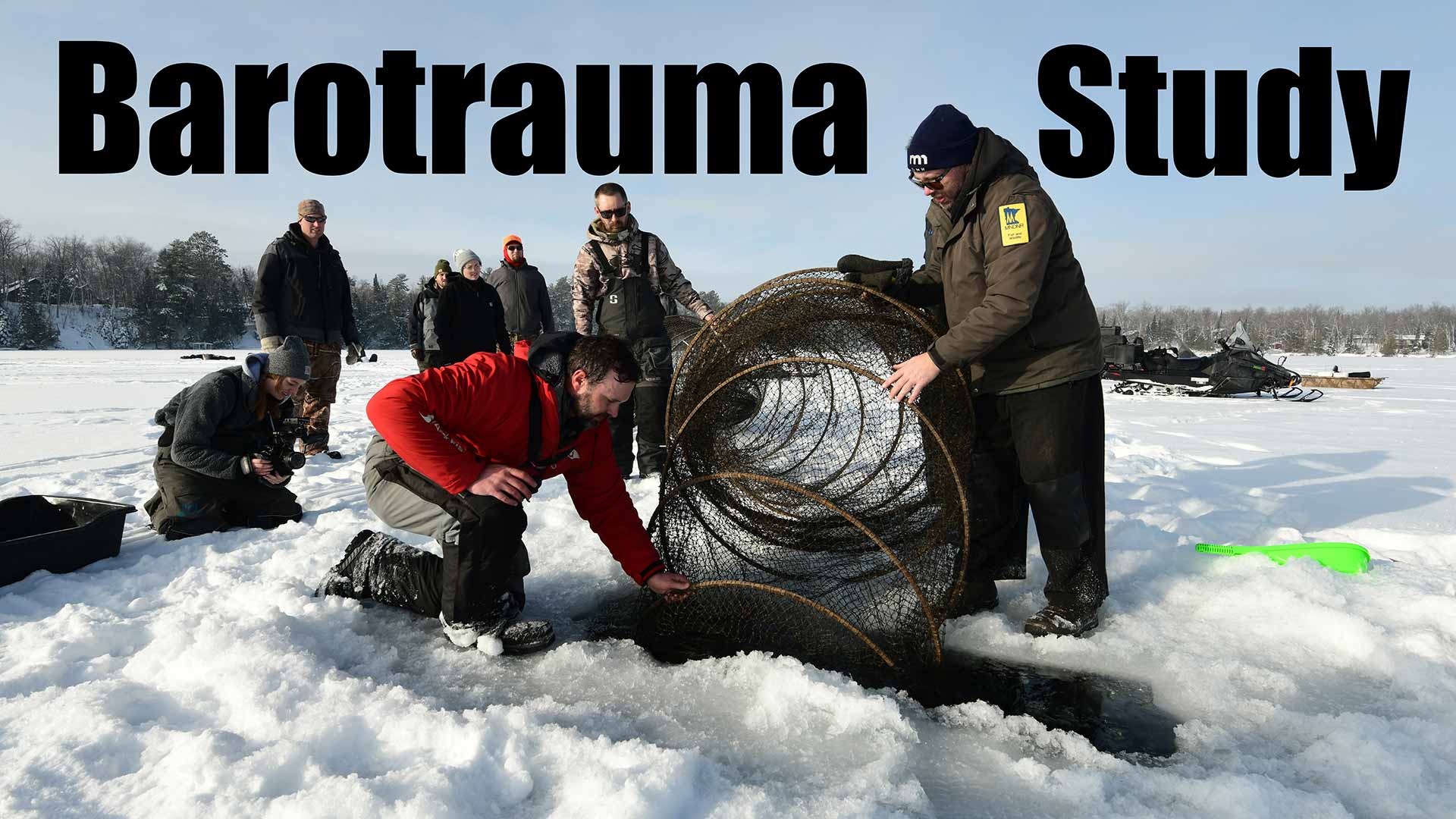
The AnglingBuzz crew partners with the Minnesota DNR to study crappie barotrauma. The goal of this project was to study the effects of barotrauma based on the depth of water the fish are being caught out of.
For a lot of anglers winter crappie fishing revolves around deeper basin fishing situations. It’s a relatively simple pattern. In late fall large schools of crappies dump into deeper water to feed on a number of different invertabrates that are concentrated in the soft bottom basins.
With the new technology like forward facing sonar these fish are easier to find and catch than ever before.
The issue at hand is that crappies caught out of these deep water basins are suffering from barotrauma and have a high mortality rate. Barotrauma is as an injury caused by of changes in barometric water pressure.
The AnglingBuzz crew partnered with the Minnesota DNR to study crappie barotrauma. The goal of this project was to study the effects of barotrauma based on the depth of water the fish are being caught out of.
For this study fifty crappies were caught out of three different lakes. The fish were measured, fin clipped, and the severity of crappie barotrauma was recorded.
The crappies were released into a hoop net that was extended from the waters surface to the bottom.
The following day the net was pulled up and results were recorded.
Crappie Barotrauma Study Results:
Lake 1:
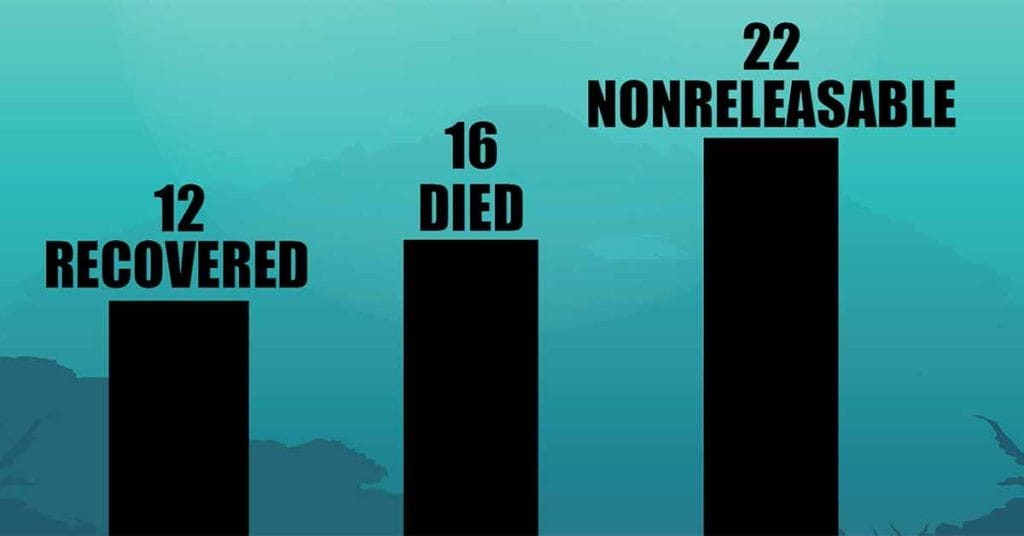
Fifty crappies were caught between 28-feet of water and 32-feet of water in a basin that had a max depth of 44-feet of water.
In depths greater than 28-feet of water 76% of the crappies died or were nonreleasable meaning they could not return to depth.
Lake 2:
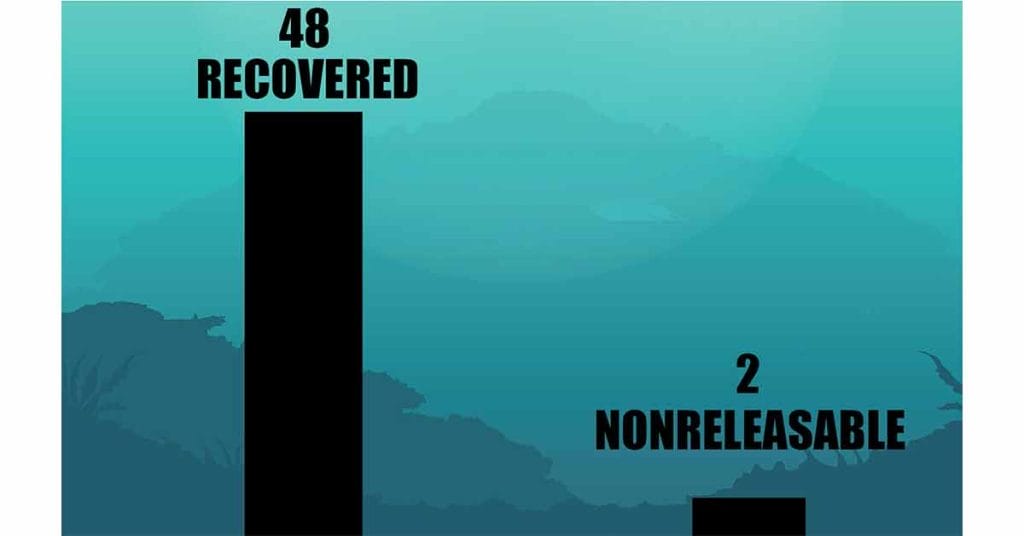
On this lake fifty crappies were caught between 16-feet of water and 24-feet of water in a basin that had a max depth of 28-feet of water.
In this depth range we found that 4% of fish were effected by barotrauma and were nonreleasable.
Lake 3:
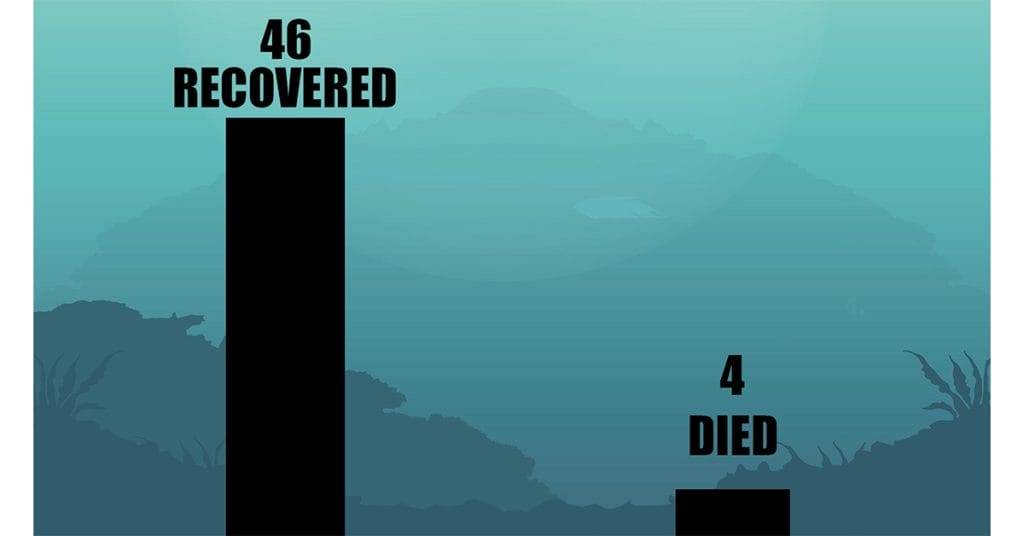
In the third lake these crappies were in depths between 22-feet of water and 26-feet of water in a basin with a max depth of 29-feet of water.
Similar to the second lake a majority of the crappies were not affected. In the end four crappies died while the rest of them recovered.



Comments are closed.