
Comparing 8 Popular Musky Lures
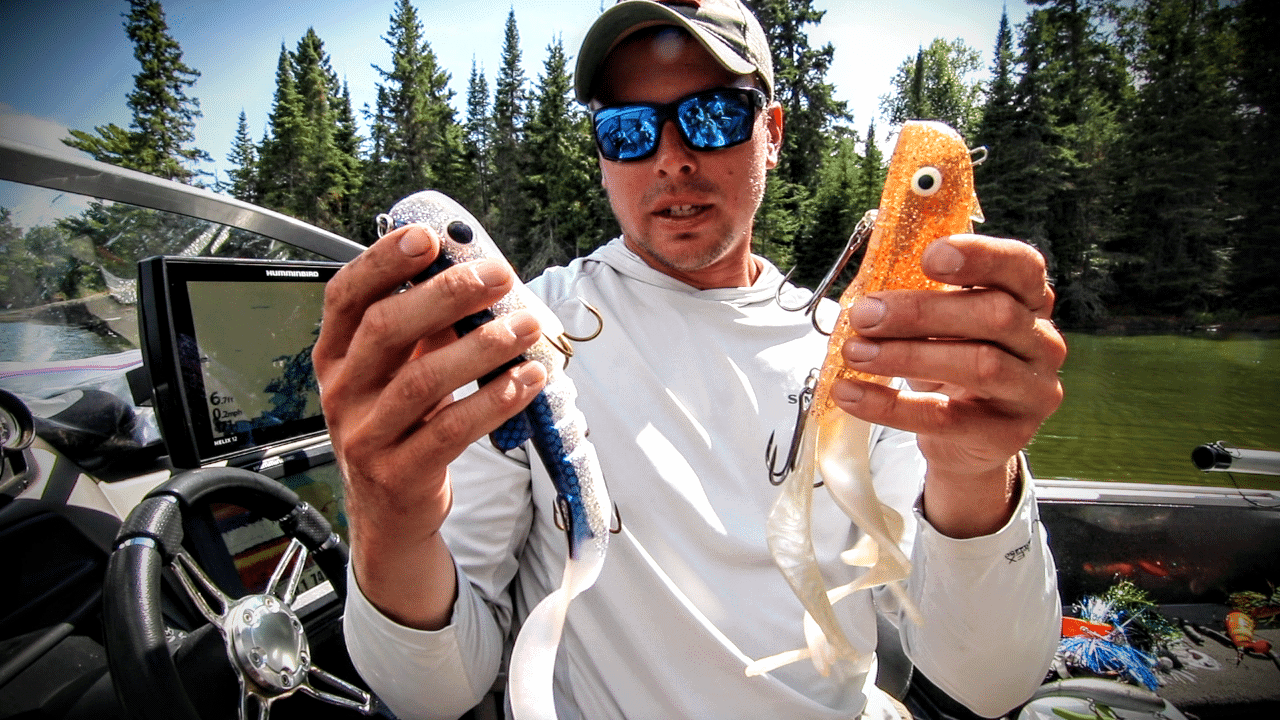
Some musky lures look similar at first glance, but it’s the subtle differences that impact when and where you use each bait. In this video, musky guide Doug Wegner compares a few popular lure styles and breaks down what makes them different why he might use them in different situations.
As muskie anglers, we have a vast selection of baits to choose from. Each bait has its own unique characteristics that make it stand out from the rest. In this article, we will compare and contrast eight popular musky lures to help you determine which one is best suited for your fishing needs.
Crankbaits
Let’s start with crankbaits. Here, we have two very similar options: a nine-inch crankbait and an eight-inch crankbait. Both of these baits have a wide wobble and behave similarly in the water. However, there are a few key differences to consider.
When selecting a crankbait, it’s important to take into account the wind conditions. The nine-inch crankbait has a wider wobble and pushes more water, making it ideal for heavy winds. The increased water displacement helps the fish feel the vibrations of the bait. On the other hand, the eight-inch crankbait has a smaller profile and is more subtle, making it a better choice for lighter winds. It doesn’t push as much water, allowing for a more delicate presentation.
Rubber Baits
Next, let’s talk about rubber baits. Two popular options in this category are the Medusa and the Bulldog. The Medusa is a great choice for fishing shallow cover or when you want to push a lot of water. It has a wider belly and longer tails, which create more hang time between your pulls. This allows you to fish the bait slower over shallower cover. The Medusa’s surface area also helps it push a significant amount of water.
On the other hand, if you’re looking to fish deeper, the Bulldog is a fantastic option. It is more aerodynamic underwater and can reach greater depths. The Bulldog doesn’t push as much water as the Medusa, making it a more subtle choice. Consider the depth you’re fishing and the level of water displacement you want when deciding between these two rubber baits.
Bucktails
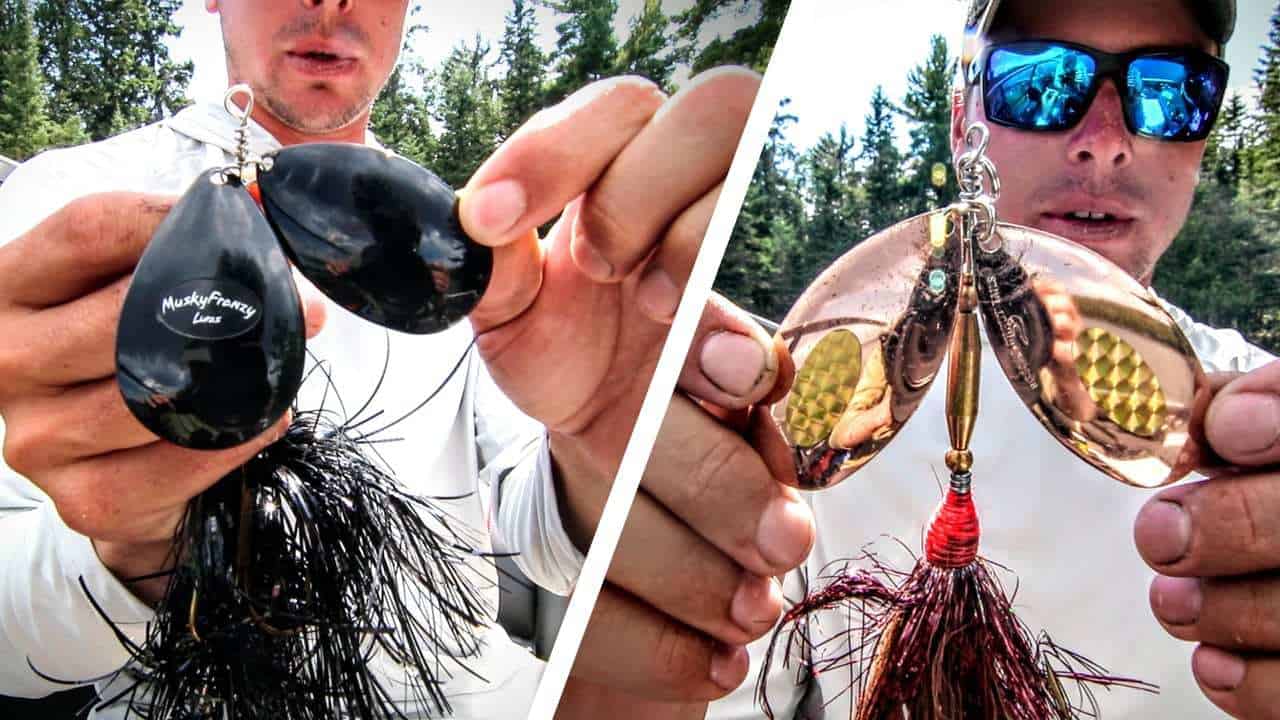
Now, let’s move on to bucktails, a favorite among muskie fishermen. Here, we have two double nine baits that are very similar in appearance. However, there are some key differences to note.
The first difference is the thickness of the blades. The bait with thicker blades will push more water due to their increased surface area. On the other hand, the bait with thinner blades will push less water but will stick out more, creating a different action in the water.
Another factor to consider is the material between the clevises and the bead. A plastic washer between the clevises and the bead will create less noise compared to clevises rubbing directly on the bead. This can make a difference in the bait’s sound and overall presentation.
Lastly, the thickness of the wire used in the bucktail also plays a role in its performance. Thicker wire dampens vibration, resulting in a more subtle bait, while thinner wire creates more vibration, making the bait more aggressive and loud.
Topwater Baits
Lastly, let’s discuss topwater baits. Here, we have two similar options, one larger and one smaller. The choice between these two baits depends on various factors, including the time of year and the wind conditions.
In general, if it’s windy, it’s best to go with a larger topwater bait. The increased water movement caused by the wind allows for a more effective presentation with a bigger bait. The larger bait will push more water and have a greater presence in the water.
On the other hand, if the wind is calmer or if you’re fishing during a specific time of year when smaller baitfish are prevalent, a smaller topwater bait may be more suitable. The smaller profile will mimic the natural prey and provide a more realistic presentation.
Conclusion
In conclusion, when choosing a musky lure, it’s important to consider the specific characteristics of each bait and how they will perform in different fishing situations. Factors such as wind conditions, depth, water displacement, and presentation all play a role in determining which bait is best suited for the job.
Remember, the goal is to select a bait that will effectively attract muskies and entice them to strike. By understanding the unique features of each lure and how they impact its performance, you can make an informed decision and increase your chances of success on the water.
So, the next time you’re faced with a wide array of musky lures, take a moment to evaluate the conditions and choose the bait that will give you the best chance of landing that trophy musky.